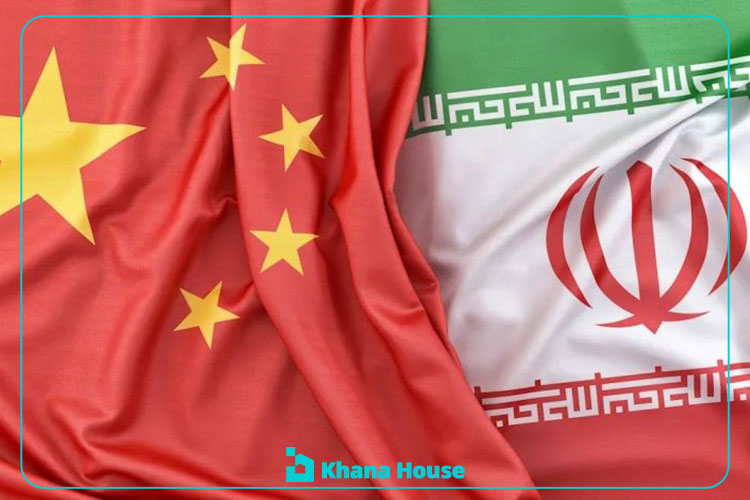
The 25-Year Comprehensive Cooperation Plan between Iran and China provides a strategic framework for transforming bilateral relations from short-term, project-based exchanges into a sustainable and comprehensive strategic partnership. However, the gap between strategic commitments and their practical implementation remains significant. Therefore, establishing a National Implementation System for Iran–China Cooperation toward 1410 is essential to translate high-level agreements into binding, measurable, and sustainable national outcomes, while safeguarding Iran’s long-term interests and strategic autonomy.
Rolling and Commitment-Based Roadmapping for the 25-Year Plan
A rolling planning system can turn the 25-Year Plan into time-bound, funded, and measurable commitments, with clear responsibilities and continuous review to ensure effective implementation and prevent stalled agreements.
Multi-Layer Corridor–Value Chain Portfolio Development Linked to the Belt and Road Initiative
A multi-layer corridor–value chain approach can integrate transport, energy, production, regulatory infrastructure, and markets into coherent project portfolios linked to the Belt and Road Initiative, transforming transit routes into national value-creating corridors. Projects are prioritized and sequenced based on strategic connectivity, technical readiness, timing, and feasibility.
1. Managing Market, Technology, and Energy Asymmetries and Safeguarding Strategic Autonomy
A national framework should assess Iran’s assets and vulnerabilities and establish clear negotiation objectives, minimum gains, and exit thresholds.
Mutual concessions should be balanced across project portfolios, while partner and financial concentration are limited.
Stress tests, alternative pathways, and phased exit rights should preserve Iran’s strategic autonomy.
2. Institutional Pairing and Translation across Government, Provincial, and Corporate Systems
Institutional counterparts in Iran and China should be systematically matched across policy, financial, technical, and territorial levels.
A specialized bilingual legal, technical, and administrative translation system should prevent conflicting interpretations and implementation failures.
A unified qualification and representative-registration system should ensure accountability and prevent unauthorized intermediaries.
3. Engineering Composite Energy, Financing, and Sanctions-Resilient Infrastructure Deals
Economic arrangements should integrate energy revenues, transit income, and long-term purchases while preventing hidden debt and excessive asset transfers.
Multi-channel settlement mechanisms, including national currencies and regulated barter, can enhance resilience under external pressure.
Milestone-based payments and risk-sharing mechanisms should reduce financial and operational risks.
4. Anchoring Technology, Joint Production, and Third-Country Markets in Iran
Strategic cooperation should prioritize technology absorption, domestic industrial capabilities, and local production rather than simple technology acquisition.
Joint production and innovation platforms should connect universities, industry, and regional capacities while deepening domestic supply chains.
Access to Chinese and third-country markets should be secured alongside major investment commitments.
Delivery Diplomacy, Bottleneck Resolution, and Adaptive Adjustment
A joint system should track commitments, resolve implementation bottlenecks, and verify results.
Early-warning mechanisms should identify risks and enable timely corrective action.
Lessons learned should continuously improve future commitments and negotiations.
This study is conducted at Maha Management Innovation Center by Hamidreza Tafaghodi in 2026.
To read more, download full paper