Recent energy geopolitics show that oil is increasingly a strategic tool for shaping power and global energy markets. Venezuela’s return to oil markets and growing U.S. influence over its oil sector reflect a new approach to sanctioned states. Redefining Iran’s role in this changing landscape is essential for understanding emerging energy dynamics and developing proactive strategies.
Structural Analysis of Venezuela’s Oil Industry and Technical Requirements for Heavy Oil Processing
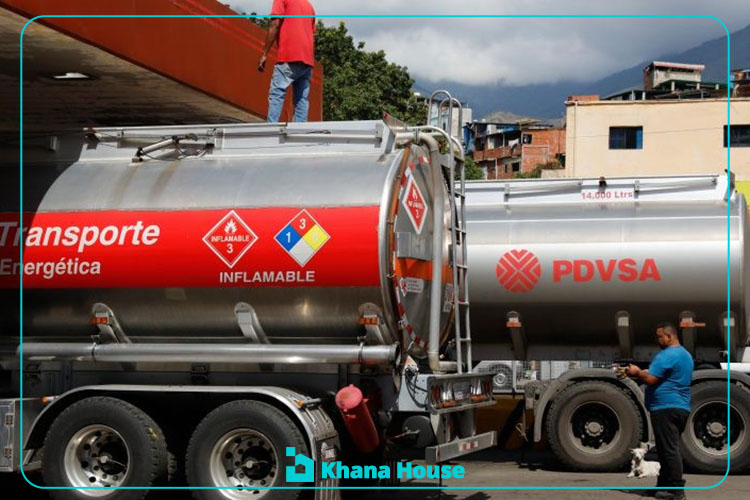
Venezuela’s oil sector suffers from severe infrastructure and investment constraints, while its extra-heavy Orinoco crude requires diluents and advanced upgrading technology. Rebuilding production capacity will require major foreign investment, modern technology, and legal stability, making a rapid production surge unlikely.
U.S. Intervention and Gulf Coast Refining Structure
The U.S. is using controlled sanctions waivers and legal mechanisms to manage Venezuela’s oil exports and limit financial flows, while weakening informal trade networks. At the same time, Venezuela’s heavy crude complements Gulf Coast refineries, which are technically optimized for heavier feedstocks. Venezuelan oil therefore helps meet U.S. refining needs and reduce reliance on heavy crude from other regions.
Geopolitical Implications for Iran’s Oil Trade
Venezuela’s controlled return to global oil markets is unlikely to cause a major price shock, given its small share of global supply and existing surplus capacity. Its main impact will be on physical trade flows and regional competition. In China, reduced Venezuelan exports could create opportunities for Iran, but Chinese buyers may use this competition to demand deeper discounts. Overreliance on price cuts could therefore reduce Iran’s export revenues and weaken its bargaining power.
Policy Implications and Energy Diplomacy
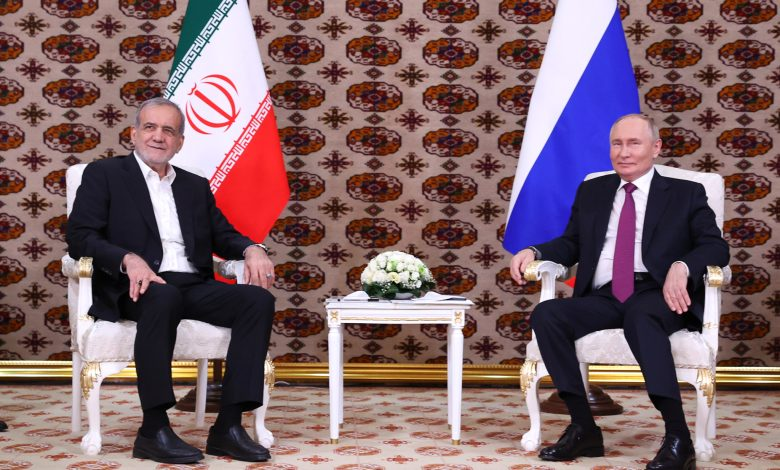
Iran should reduce its vulnerability to sanctions by shifting from crude exports toward higher-value refined and petrochemical products and upgrading refineries for heavy crude. A permanent high-level coordination mechanism could better align oil sales, foreign policy, and financial policy. Iran should also deepen long-term energy partnerships with China and Russia through joint investment, financial mechanisms, logistics cooperation, tanker modernization, and alternative transit routes to strengthen export resilience.
This study is conducted at Strategic the Oil and Gas Industry Chain ThinkTank (Petropal) by Morteza Alipour in 2026.
To read more, download full paper