By Media and Society Think Tank
Iran’s missile program underwent major strategic developments in 2025–2026, reshaping international assessments of deterrence, air defense, and maritime security. This report examines how leading think tanks and global media analyzed these developments across three periods, particularly in relation to nuclear negotiations, sanctions, and the security of the Strait of Hormuz.
1. First Period: Before the June 2025 War
Asymmetric Deterrence and Diplomatic Leverage
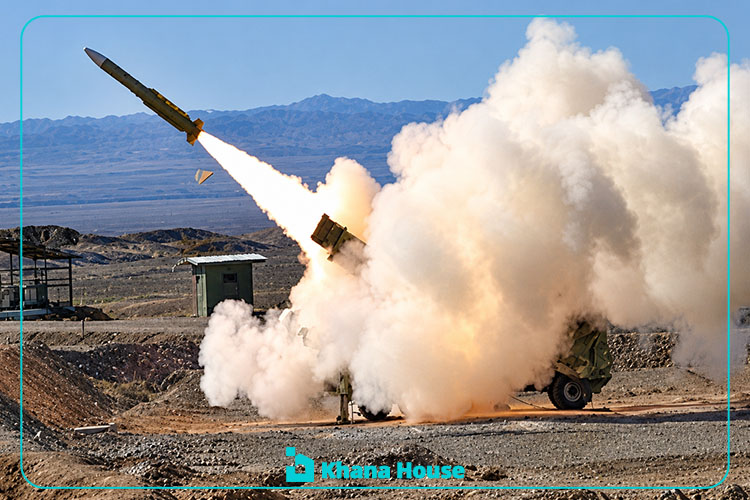
Iran’s missile arsenal was viewed as a key substitute for conventional air-power weaknesses and a central tool of deterrence and regional influence.
Think Tank Assessments
- FDD: Emphasized Iran’s growing missile precision, range, and maneuverability, calling for strict missile restrictions.
- Defense Priorities: Viewed missiles primarily as a defensive deterrent and opposed making missile limits central to nuclear talks.
- CSIS & IISS: Focused on technological advances, solid-fuel systems, underground facilities, and missile-defense challenges.
Media Assessments
- NYT & WSJ: Linked Iran’s missiles, nuclear enrichment, and U.S.–Iran diplomacy to rising military tensions.
- Reuters & The Economist: Highlighted missile production, procurement networks, and dual-use technologies.
Interconnected Issues
The main link was between missile capabilities and nuclear diplomacy, with disagreement over whether missile restrictions would strengthen or undermine efforts to contain Iran’s nuclear program.
2. Second Period: From the June 2025 War to the December 2025 War
Rebuilding, Snapback Sanctions, and the Strain on Missile Defense
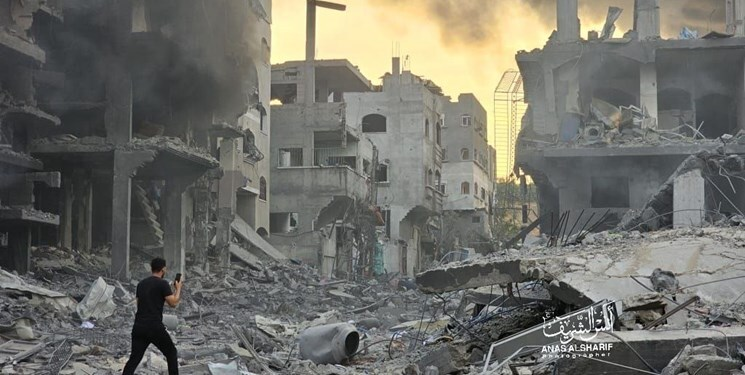
The June 2025 war marked a turning point, highlighting both Iran’s ability to launch large-scale missile salvos and vulnerabilities in regional air defenses. The conflict also triggered accelerated efforts to rebuild Iran’s missile infrastructure and reassess its deterrence strategy.
Think Tank Assessments
- Hudson Institute: Emphasized Iran’s ability to overwhelm missile defenses through saturation attacks and the resulting pressure on U.S. interceptor stocks.
- OSW & FPRI: Concluded that despite damage to Iranian air defenses and missile facilities, Iran retained state capacity and rapidly shifted toward reconstruction and adaptation.
- Clingendael: Examined how the war challenged Iran’s asymmetric deterrence model and contributed to renewed debate over the relationship between missile and nuclear deterrence.
- Alma & Soufan Center: Focused on Iran’s rapid missile-production recovery and the emerging U.S.–Israeli differences over the urgency of confronting its rebuilding efforts.
Media Assessments
- WSJ & NYT: Focused on the September 2025 snapback sanctions and renewed but unsuccessful diplomacy, noting their limited impact on Iran’s missile supply chains.
- Reuters: Reported on Iran’s accelerated reconstruction efforts, including the expansion and deeper underground relocation of missile-production facilities.
Interconnected Issues
The key themes were snapback sanctions, missile reconstruction, Chinese supply networks, and changes in nuclear deterrence thinking. The rapid recovery of Iran’s missile infrastructure raised questions about the effectiveness of sanctions and the resilience of its deterrence strategy.
3. Third Period: After the December 2025 War to the Present
Direct Naval Confrontation, Attacks on Warships, and the Strait of Hormuz
The second war marked a shift toward direct maritime confrontation, with Iran using anti-ship missiles, drones, and mines while seeking to disrupt traffic through the Strait of Hormuz.
Think Tank Assessments
- CSIS: Focused on Iran’s postwar reconstruction, particularly solid-fuel production, drone stocks, and asymmetric naval capabilities such as anti-ship missiles, fast boats, and mines.
- Hudson Institute: Highlighted Iran’s dispersed missile operations, continued use of solid-fuel systems, efforts to counter electronic warfare, and the cost imbalance between relatively inexpensive Iranian missiles/drones and expensive Western interceptors.
- IISS: Warned that sustained Iranian missile and drone attacks could significantly deplete Persian Gulf states’ interceptor stocks, making air-defense reconstruction a long-term challenge.
- ISW/CTP: Identified a shift from conventional missile deterrence toward using the Strait of Hormuz as a strategic lever, combining anti-ship missiles, mines, and maritime disruption.
- Atlantic Council: Examined the broader regional and energy-market consequences of the conflict, including higher oil prices and its implications for global energy security.
Media Assessments
- Reuters: Reported on Iran’s efforts to strengthen its anti-ship capabilities and its negotiations with China over advanced cruise missiles, alongside conditional proposals concerning tanker transit.
- Financial Times: Focused on mine warfare and maritime security in the Strait of Hormuz, including efforts to clear shipping lanes and the rising cost of war-risk insurance.
- NYT & WSJ: Examined U.S. intelligence assessments of Iran’s remaining missile capabilities and the expansion of sanctions targeting its military supply and financial networks.
Conclusion and Strategic Outlook
Three key insights emerge from international assessments of Iran’s missile program in 2025–2026:
- Western interceptor capacity: Analyses by Hudson and CSIS highlight the cost imbalance between Iran’s relatively inexpensive missiles and drones and the costly Western interceptors required to counter them.
- Shift toward maritime A2/AD: Iran’s deterrence is increasingly assessed through its ability to threaten shipping and naval forces and disrupt traffic in the Strait of Hormuz.
- Growing nuclear-deterrence debate: Clingendael and other analysts have highlighted concerns that perceived weaknesses in conventional deterrence could strengthen debates in Iran over moving toward a nuclear deterrent.
To read more, download full paper