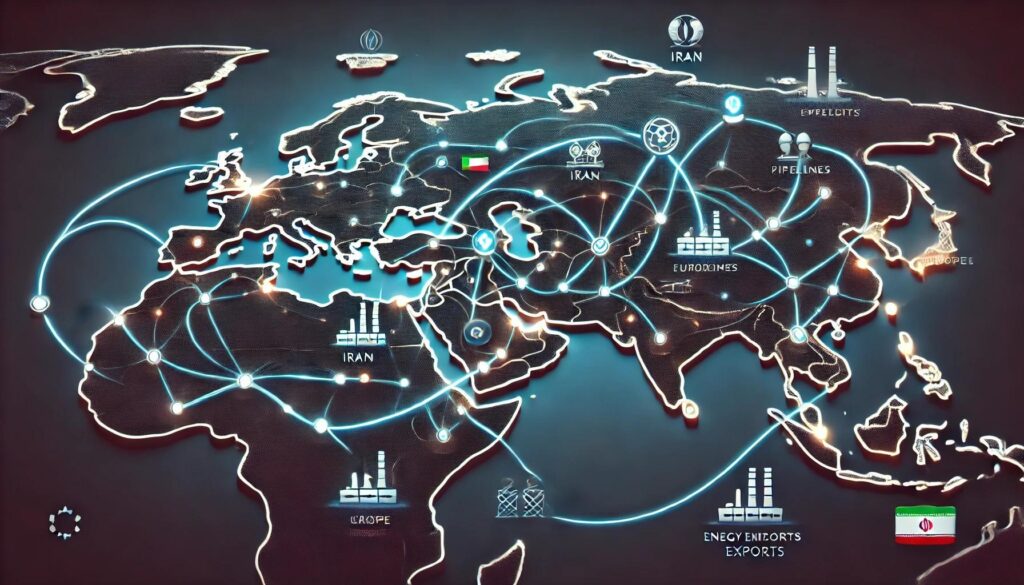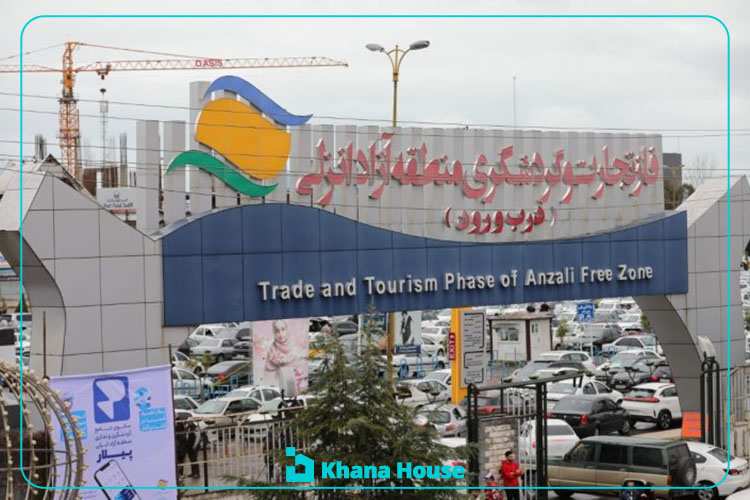
In times of geopolitical crises and regional tensions, Free and Special Economic Zones can help absorb external shocks, sustain trade and supply chains, support the domestic economy during war, and drive investment and technology inflows during post-war reconstruction. Understanding their operational capacities is therefore crucial for strategic decision-makers.
The Role of Free and Special Economic Zones in War-Economy Management
Free and Special Economic Zones can reduce structural constraints through simplified regulations and support the continuity of essential economic activities during crises.
- Alternative Financing and Trade
Tax incentives and customs exemptions can attract domestic, diaspora, and regional investment while facilitating alternative financial mechanisms and trade with neighboring countries.
- Logistics, Storage, and Transit
Their strategic location near ports and major corridors enables these zones to support storage, transportation, and alternative trade routes, helping maintain the flow of goods.
- Production and Essential Goods
Industrial infrastructure can support emergency production of food, medicine, and essential industrial goods, while simplified customs procedures can accelerate the distribution of critical supplies.
- Resilience and Risk Management
Protecting critical infrastructure requires continuous risk assessment, stronger physical security, backup energy and communication systems, and diversified transport routes.
- Business Continuity and Government Support
Business Continuity Plans can ensure operational continuity through digital systems, alternative supply chains, and workforce training. Government support may include emergency financing, energy supplies, investment guarantees, and temporary regulatory flexibility.
Post-War Recovery and Reconstruction through Regional Capacities
Post-war reconstruction extends beyond physical rebuilding to restoring production, attracting investment, and revitalizing economic activity.
- Investment Attraction and Technology Transfer
Free zones can attract FDI and diaspora capital while facilitating technology transfer, skilled workforce recruitment, and industrial modernization.
- Infrastructure Reconstruction and Export Development
They can support infrastructure projects through the production of materials and engineering services while strengthening export value chains and access to regional markets.
Comprehensive Policy and Strategic Recommendations
Legal & Institutional Policies
- Simplify regulations, licensing, and customs procedures.
- Ensure regulatory stability and stronger institutional coordination.
Financial & Investment Policies
- Provide tax incentives and investment facilities.
- Promote PPPs, specialized investment funds, and diaspora investment.
Infrastructure Policies
- Develop multimodal transport, logistics, energy, and digital infrastructure.
- Connect free zones to international transport corridors.
Security & Resilience Policies
- Implement crisis-management and BCP frameworks.
- Diversify supply routes, strengthen early-warning systems, and maintain strategic reserves.
Industrial & Export Development
- Attract export-oriented industries and develop industrial clusters.
- Support R&D, technology transfer, and access to international markets.
Governance & Management
- Strengthen managerial autonomy alongside transparency and accountability.
- Expand private-sector participation and regional and international cooperation.
This study is conducted at Governance Problems System Thinktank in 2026.
To read more, download full paper