Examining trends and developments in the national energy sector over 1380–1402 and identifying opportunities to improve efficiency, reduce losses, enhance resilience, and expand clean energy
Abstract
The energy industry, as a fundamental pillar of economic and social progress, plays a vital role in meeting societal needs and fostering sustainable development. In Iran, oil, gas, petrochemicals, and electricity are not only the main sources of energy supply but also drivers of economic growth and improved public welfare. With population growth and industrial expansion, enhancing efficiency and expanding energy infrastructure have gained significant importance. Moreover, attention to clean energy and reducing environmental impacts are global priorities that are also reflected in Iran’s national energy policies. Examining the trends and developments of this industry enables a better understanding of its challenges and opportunities, and helps to chart the course for future development.
In this article you also read about:
Comprehensive Analysis of Developments, Challenges, and Opportunities in the Development of Iran’s Energy Industry
1. Major Energy Developments in Iran
Significant growth in production and supply during the 2000s–2010s, but low efficiency, over 60% energy loss, and dependence on raw exports highlight the need for system reform, renewable energy expansion, and stronger domestic value chains.
2. Energy Consumption by Main Sectors
- Households: High consumption due to inefficient buildings.
- Industry: Rapid but inefficient growth, dominated by raw exports.
- Transport: High losses; urgent need for clean infrastructure.
- Agriculture: Energy use exceeds production growth; outdated technologies.
- Non-process sectors: Growth potential but low efficiency.
3. Energy Productivity in Iran’s Economy
The energy productivity index has fluctuated widely, reflecting unstable policymaking. Price reforms alone were insufficient; technological and institutional support is essential.
4. Oil and Gas Condensate Refining Capacity
Capacity grew by 45% with new and upgraded refineries, reducing imports. Challenges include reliance on condensates, aging facilities, and uneven distribution. Opportunities exist in modernizing refineries and integrating with petrochemicals.
5. Transportation and Distribution of Petroleum Products
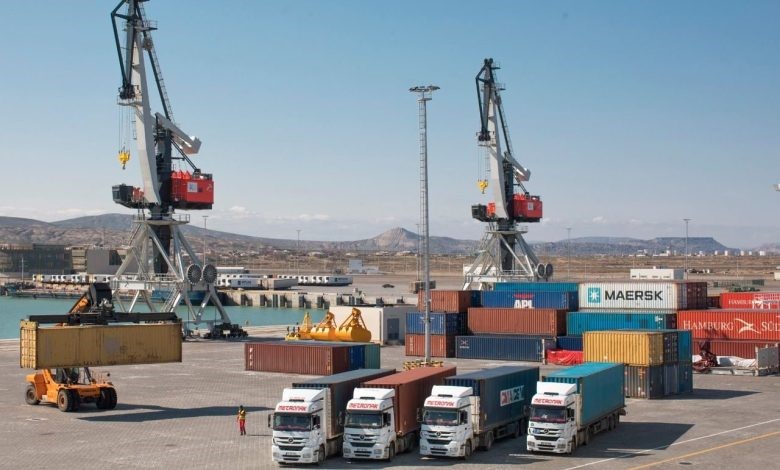
Pipelines handle over 60% but infrastructure lags demand. Road transport is rising, increasing costs and risks; rail transport stagnates; maritime transport plays a limited regional role. Challenges: over-reliance on roads, aging fleets, lack of multimodal integration.
6. Expansion of Urban and Rural Gas Supply
Iran leads globally in rural gas distribution, reaching 40,000 villages. Access is near saturation, shifting focus to remote areas. Challenges include costly maintenance and safety issues. Opportunities lie in smart meters, alternative fuels (CNG, LNG), and small-scale industries.
Key Solutions for Iran’s Energy Industry
- Policy & Governance: Energy system reform, stable policy-making, renewable expansion, local value chains.
- Efficiency: Renovation of buildings, efficient technologies in industry & agriculture.
- Transport: Clean transport, more rail & pipeline use, smart logistics, road fleet renewal.
- Gas: Modernize & digitize networks, new fields, storage, tariff reform, export boost.
- Refining: Upgrade old refineries, modular capacity, petrochemical integration.
- Households: Insulation, efficient heating, strict construction standards.
- Institutions: Energy efficiency law, incentives, certificate market, national authority.
This study was conducted at Rasha Think Tank by Mohammad Nasiri in 2025.
To read more, click here.