Examining the Challenges of Food Security in the Country and the Role of Islamic Azad University in This Area
Abstract
Nowadays, food is not only considered an export commodity but also a subject of political trade and can become a weapon of war. In the current circumstances, a significant gap has emerged between the food security situation of the country and the regional competitors of the Islamic Republic of Iran. Since food security is the foundation of the country’s economic, social, cultural, and political security, this gap may lead to a reduction in the national security of the Islamic Republic of Iran in the future. From this perspective, the challenge of food security governance in the country can also be one of the key reasons for deepening the current crises.
In this article you read about:
Food security refers to the continuous access of individuals to adequate and nutritious food, divided into four dimensions:
- Availability: The level of energy sufficiency for the population, which is 130% in Iran.
- Access: The ability of people to obtain adequate food, with 4.1% of Iran’s population suffering from malnutrition.
- Utilization and Productivity: The impact of malnutrition on children, with 6.3% of children under five in Iran experiencing stunted growth.
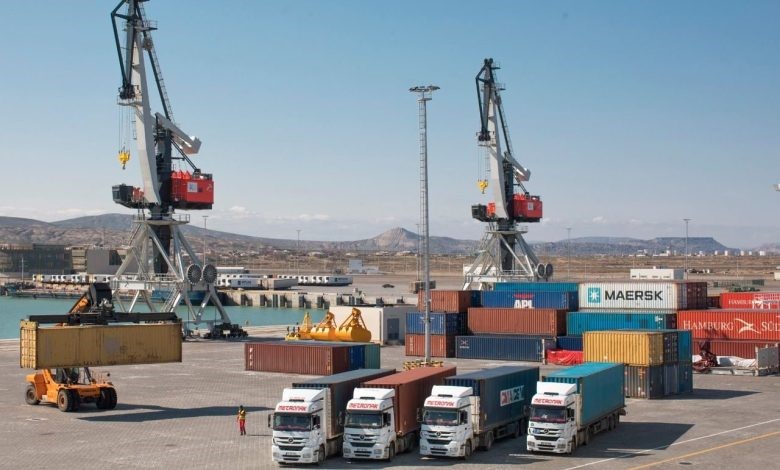
- Stability and Sustainability: Dependence on grain imports, with Iran relying 37.5% on imported grains.
Key challenges in the country’s food security system include instability in self-sufficiency, dependency on imports, climate change, poor consumption patterns, and weak governance.
The Role and Impact of Islamic Azad University in Food Security: Islamic Azad University plays a crucial role in Iran’s food security, leveraging its educational, research, and social-economic missions. With 1,200 agricultural faculty members, 8,000 students, and various research centers and facilities, the university contributes significantly to food security, especially in availability and health. Its efforts include seed production and utilizing its extensive network of specialized resources to address national food security needs.
Policy Recommendations
Iran faces challenges in food production due to resource shortages and economic sanctions, impacting food security. Key recommendations for Islamic Azad University include:
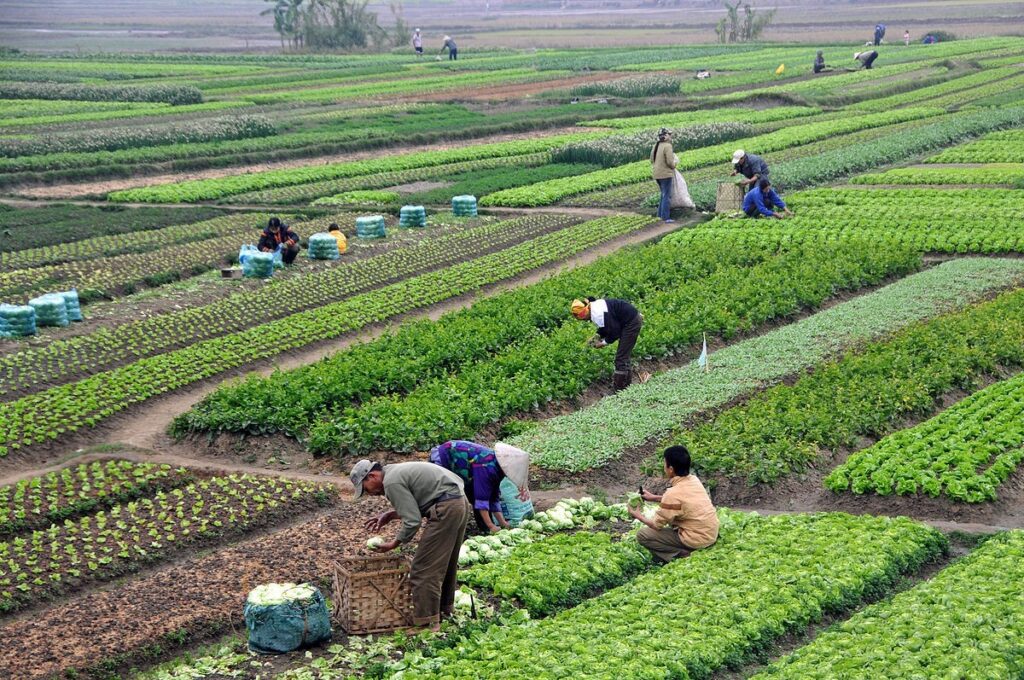
- Producing seeds (especially wheat and oilseeds) to reduce dependency on imports, with campuses contributing based on their capacity.
- Taking responsibility for training farmers in collaboration with the Ministry of Agriculture to improve agricultural skills.
- Leading food security research, leveraging its infrastructure and expertise across diverse regions.
This study was conducted at Islamic Azad University Strategic Studies Thinktank in collaboration with Alireza Poursaeid and Mohammad Emami.
To read more, click here