
As one of the world’s largest oil exporters, Iran must exercise greater control over its oil trade transactions and banking payment systems. Despite the widespread belief that FATF-related restrictions constitute a major legal barrier to Iran’s financial and commercial exchanges, it was emphasized in a recent policy meeting that this assumption is legally inaccurate. Experts argued that existing constraints do not amount to an insurmountable prohibition on structured financial cooperation.
Connecting Iran to China’s CIPS: A Strategic Monetary Shift
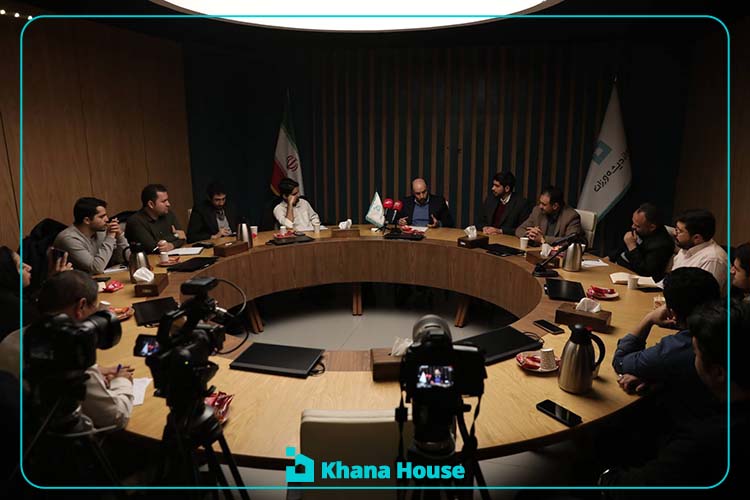
The sixth session of the China-focused “Tianxia” series was held at KHANA, examining the necessity of connecting Iran to China’s Cross-Border Interbank Payment System (CIPS). The keynote speaker, Dr. Mohsen Karimi, former Deputy for International Affairs at the Central Bank of Iran, criticized Iran’s largely passive banking approach toward China over the past two decades. He argued that despite China’s rise as a central global trade partner, Iran treated the relationship as temporary and failed to design a strategic monetary framework.
Karimi clarified that CIPS is not equivalent to SWIFT; while SWIFT is merely a messaging service, CIPS handles clearing and settlement directly. He stressed that no serious legal barriers prevent Iran’s connection, even under FATF constraints.
Linking to CIPS, he concluded, would enable transparent yet secure oil revenue management, reduce reliance on intermediaries, and shift Iran from costly informal channels toward a stable, sovereign financial infrastructure.


