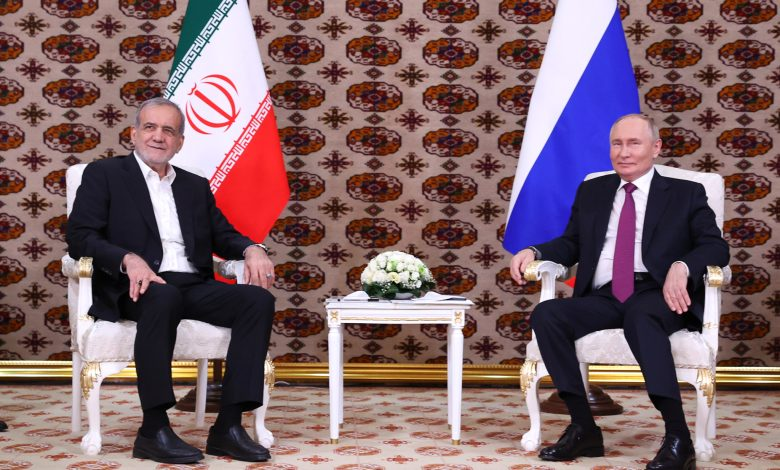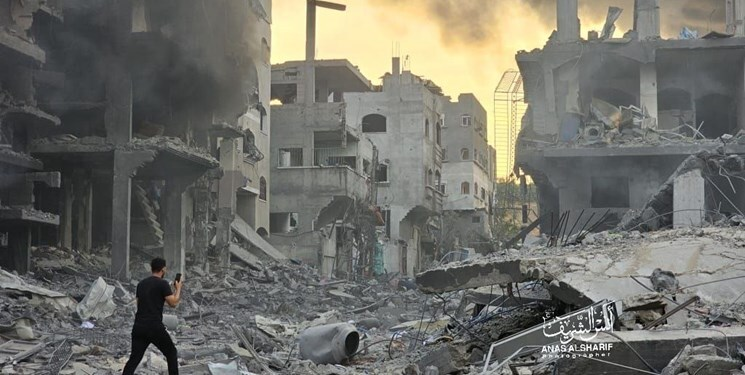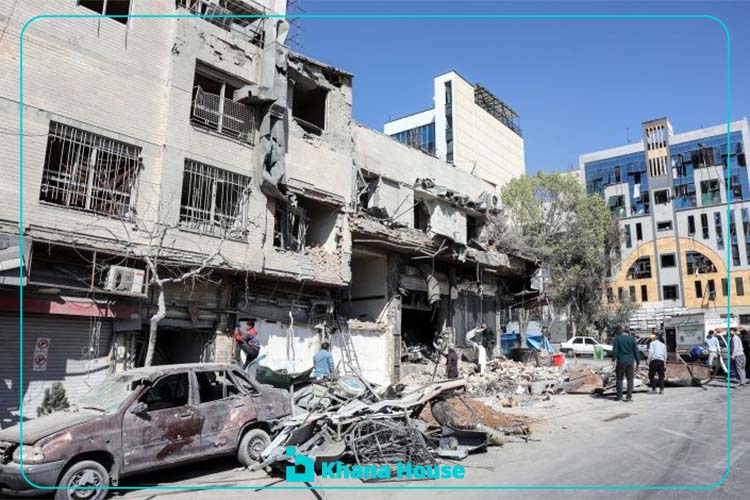
Military conflicts in the Middle East, known as “Ramadan war” between Iran, the U.S., and Israel, have widespread implications for regional security and the global economy. These tensions impact energy markets, trade and investment, leading to increased political and economic uncertainty. In the context of rapid and complex regional developments, a thorough examination of the potential consequences of these conflicts is important.
Scenario 1: Ceasefire; Risky Operations Halted and Stagnant Economy
This scenario assumes a temporary ceasefire between and the U.S.-Israel, leading to a stagnant economy. military conflict doesn’t continue while pressures persist, leaving Iran’s economy limbo with high inflation and political uncertainty.
Scenario 2: Protracted War; Continuation of Conflict and Gradual Deterioration of Economic Capacity
Here, conflict continues in a protracted manner, resulting in chronic uncertainty, disruption in trade, and increased costs. Iran’s economy struggles with persistent inflation above 50%, leading to worsened living conditions and higher poverty rates.
Scenario 3: Controlled Hostility Without Political Agreement
War stops but there’s no resolution or trust restoration. This “hostile” allows for some economic improvement but retains high inflation and risks, with limited long-term investment.
Scenario 4: Strategic Iranian Victory and New Order in the Strait of Hormuz
The fourth scenario is based on the collapse of the initial goals of the U.S. and Israel against Iran and emergence of a new balance in the Persian Gulf, particularly in the Strait of Hormuz. In this framework, Iran not only attains negative deterrence, but also becomes regulator of a new economic and security order in one of the world key energy chokepoints. The Strait of Hormuz is a free passage and passing through it will be conditional, based on compliance with security, and economic rules. This transformed Iran’s economy from a pressured oil seller to a rule-maker that increases its power and generates new financial resources.
Scenario 5: U.S. Withdrawal from West Asia; Iran Centric Order
This scenario predicts a structural withdrawal of U.S. military forces from West Asia, positioning Iran as the central power in regional security, energy, and transit. This shift diminishes U.S. military pressure and fosters better investment in Iran, enabling long-term development.
This study is conducted at Maha Management Innovation Center by Hamidreza Tafaghodi in 2026.
To read more, Download full paper
Additionally there is an study conducted by Meysam Zamanifar which has reviewed other points and consequences of Ramadan war with regard to global economy and metal market, you can read here