This report investigates impact of the Hormuz Strait blockade on global metals markets. A vital and logistical chokepoint sees 20% of the world’s oil and significant volumes of dry bulk cargo transit through it annually. Recent military conflicts and restrictions have disrupted supply-demand balances, to a paradigm in mineral and metal industries, evidenced by enhanced logistic disturbances and targeted on production infrastructures.
Phase One: Strait Blockade and the Bullwhip Effect’ in Global Metal Markets
The disruptions the Hormuz Strait trigger ‘Bullwhip Effect,’ increasing supply chain volatility as demand are amplified upstream. This maritime insecurity compels producers to stockpile materials or orders, which worsens price fluctuation
Aluminum Crisis
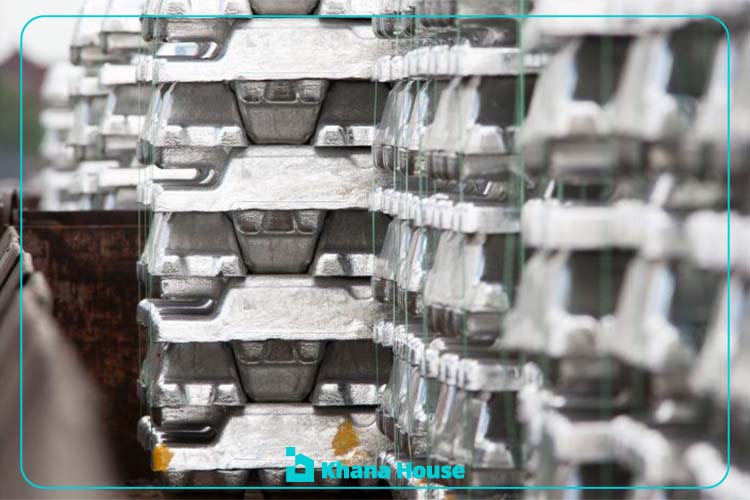
The aluminum market has responded to this disruption. The East accounts for 9% the world’s primary production, and the cessation of exports has threatened global supply. Key indicators include the massive withdrawal of aluminum from LME-approved warehouses signaling market distress and spikes in premiums buyers for available stock amidst uncertainty.
Pressure on Zinc Market and Supply Changes
Zinc, as fourth most widely used industrial metal in world is also caught up in this turmoil. China, being largest consumer, used to import about 280000 tons of zinc concentrate from and Oman. to the increased risks from the Strait of Hormuz, Chinese factories have had to shift their supply sources to Peru and Kazakhstan. This sudden change in supply sources, has disrupted the production process. Analysts predict that this could lead to a price increase of 15 to 25 percent in short term.
Strategic Implications for Vital Mineral Supply
The destruction of infrastructure highlights that not only are maritime routes vulnerable, but also production is at risk, impacting the overall stability of the supply chain.
This has led global companies like Korea Zinc to extract rare elements from data center waste, reflecting a “forward escape” strategy. Industries are shifting urban recycling and domestic supply chains to reduce reliance vulnerable mines and ports.
Conclusion: A of Transform Costs
Market data indicate that the global mining economy is entering to an unprecedented phase of turbulence, with the Hormuz Strait blockade causing spikes in premiums and strategic inventory withdrawals, alongside sustained attacks on production capacities, leading to prolonged market crises.
This policy note is written by Meysam Zamanifar in 2026.
To read more, download full paper