Seyyed Rouhollah Ahmadi, Ph.D. in Financial Economics, argues that the US financial hegemony is now facing a historic challenge due to geopolitical shifts and the rise of emerging powers.
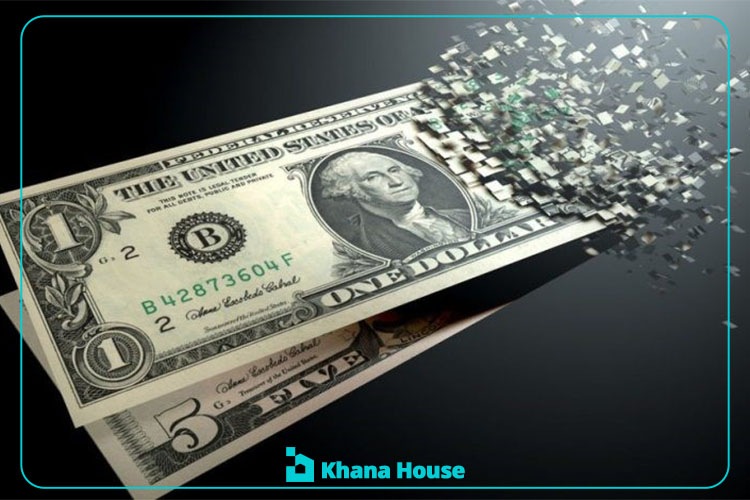
In 1971, Nixon shocked the world by ending the dollar-gold convertibility. This crucial move saved the US economy from potential collapse, ensuring the dollar’s global dominance despite the shock.
Nixon Shock, the attack on Venezuela, and the deadlock in the Strait of Hormuz
Seeking to preempt crisis like Nixon, US politicians resorted to threats and aggression to maintain dominance. The US aimed to attack Venezuela and Iran to control global oil, but this backfired. The Strait of Hormuz shock gradually eroded US economic credibility and political stability, ultimately leading to the decline of American financial hegemony. However, this outcome is not inevitable; it depends on geopolitical resilience and Iran’s smart management of the strait. By establishing legal frameworks for safe passage and boosting domestic economic and psychological resilience, Iran can transform the strait into a sustainable leverage. If managed wisely, the Hormuz shock will surpass the Nixon shock in long-term impact.
To read more, download full paper
You can read about the legal status of the Strait of Hormuz on our publications