Hamidreza Fartokzadeh
In The late Supreme Leader Ayatollah Ali Khamenei’s strategic thinking, economic policy was inseparable from national security and geopolitical competition. Economic indicators such as inflation or GDP were viewed as outcomes of Iran’s position within the global order rather than isolated policy goals.
Industrial Development and Economic Independence Were Core Strategic Priorities
Ayatollah Khamenei viewed the post-World War II international system as a Western-led power structure that shaped regional geopolitics to constrain Iran. Within this framework, industrialization, domestic production, technological development, and defense capabilities formed a unified strategy to strengthen national resilience and reduce external vulnerabilities.
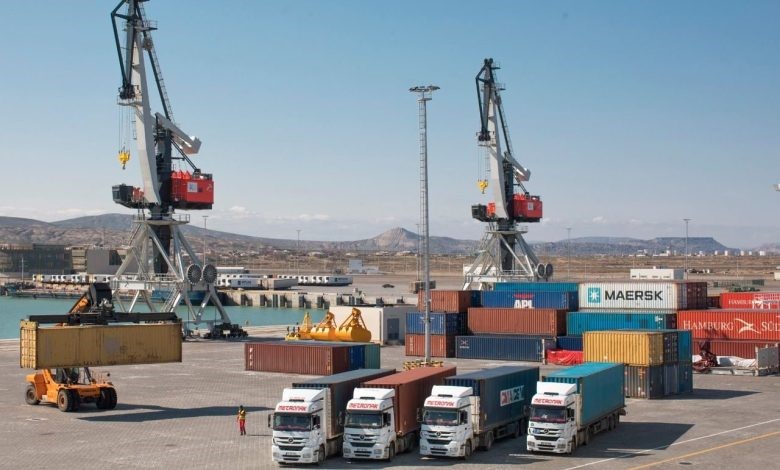
Trade Diversification Was Considered Essential for Reducing Strategic Vulnerability
Reducing reliance on the UAE by diversifying trade routes and expanding partnerships with more independent countries would strengthen Iran’s economic security and strategic autonomy.
The Economy Was Viewed as a Pillar of National Strategy
The economy is viewed as a core element of national power, integrating:
- Industrial development
- Foreign and trade policy
- National security
into a long-term strategy for economic independence and sustainable development.
To read more, download full paper