An Analytical Note by the Ara Research Center on the Iran-Israel War and Its Consequences for Regional Trade
The Importance of Overland Trade in Iran’s Regional and Economic Policy
Amid escalating military and political tensions between the Islamic Republic of Iran and the Zionist regime, Iran’s overland trade—one of the country’s key economic and strategic security hubs—faces serious and potential challenges. This trade not only includes a major portion of Iran’s non-oil exports, but also plays a crucial role in shaping economic and security relations with neighboring countries. This report explores the possible effects of intensifying military conflict between Iran and Israel on Iran’s overland trade and offers policy recommendations for crisis management.
Current Status of Iran’s Overland Trade
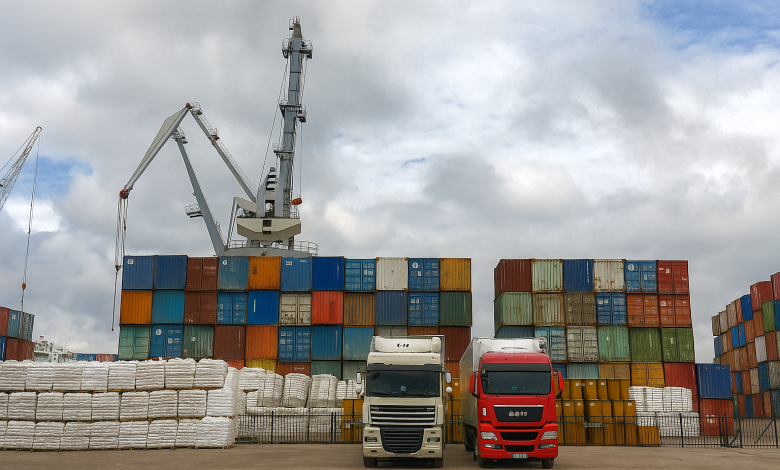
Iran trades overland with 15 neighbors, with over 50% of non-oil exports moving through land routes. Key borders include Iraq, Turkey, Afghanistan, Pakistan, and Central Asia. Any conflict may disrupt trade via route closures, increased costs, and reduced partner trust.
Historical Lessons: Economic and Security Vulnerabilities
Past crises, like the Iran-Iraq war and regional conflicts, have shown how fragile Iran’s land trade can be. These disruptions resulted in halted trade, high transport costs, and reduced cross-border movement.
Summary of Economic and Security Challenges
Without preparedness, military tensions could spill into the economic realm. Maintaining regional trade connections is crucial for Iran’s economic stability and strategic influence.
Policy Recommendations for Crisis Management in Overland Trade
- Ensure Continuous and Secure Border Operations
Strengthen diplomatic ties and border security to keep land trade routes open during crises. - Develop and Activate Alternative Rail and Maritime Transport Routes
Expand and invest in rail and port infrastructure (e.g., Chabahar, Bandar Abbas) to reduce dependence on land borders. - Establish a Comprehensive Crisis Management System for Overland Trade
Create a centralized system to monitor borders and coordinate emergency responses. - Provide Financial Support and Insurance Risk Mitigation for Transport Sector
Offer subsidies, tailored insurance, and financial assistance to transport operators facing crisis-related risks.
This study was conducted at Ara Reseach Centre in 2025.
To read more, click here