KHANA dialogue series: Exclusive interview with Raul Rodriguez
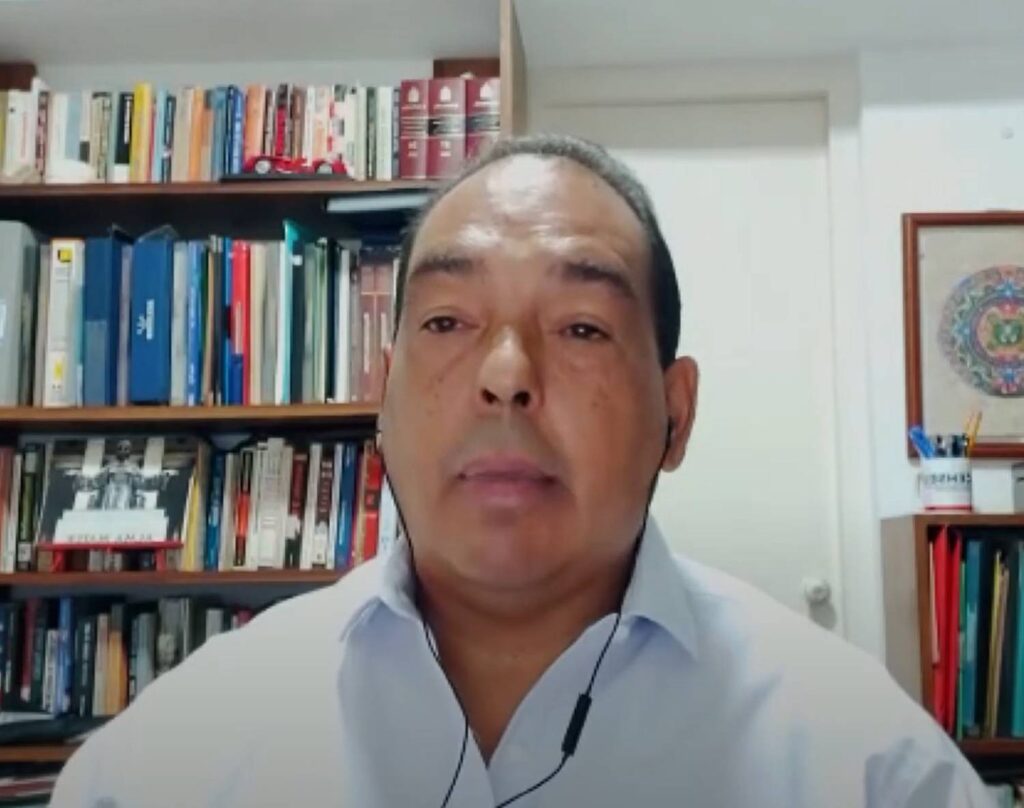
KHANA conducted an exclusive interview with Raul Rodriguez, professor and director of the Center for Western Hemisphere and U.S. Studies at the University of Havana, reflecting on the dimensions of resistance in Latin America and providing insights into current crises in the Middle East.
Latin America as the Closest Front of Resistance
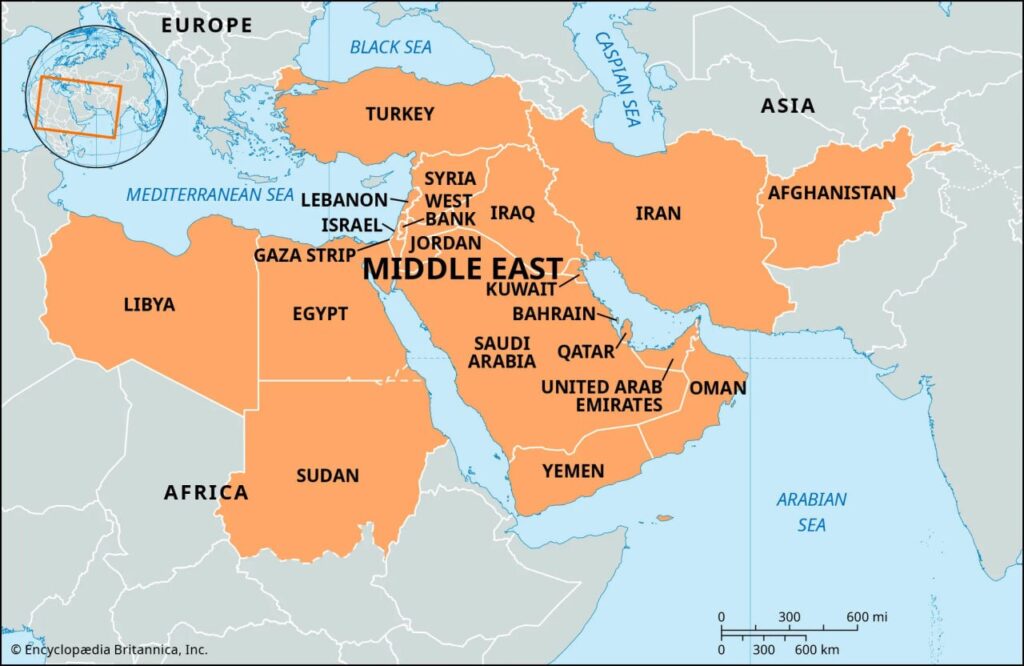
In this interview, Rodriguez emphasizes that Latin American societies, as the geographically closest front of resistance to the United States, are strategically aligned with Iran, regarded as a symbol of resistance in the Middle East. According to him, resistance in Latin America—particularly in Cuba and Venezuela—has always been difficult and challenging due to geographic proximity to the U.S. and direct political and economic pressures, yet it has persisted across various social and political arenas.
Awareness of Imperialism and Economic Warfare
He noted that, although Latin American societies are not inherently politically driven, people in the region are well aware of the concept of resistance against imperialism and the “economic war.” This economic war, which intensified during Donald Trump’s presidency, included the reimposition of sanctions on Cuba, heightened pressures on Venezuela, and the implementation of a “maximum pressure” policy against Iran. These measures were designed to undermine the independence of countries opposing Washington’s hegemony.
U.S. Threats and Regional Responses
Rodriguez explained that the United States today, through extensive sanctions and military threats against countries like Venezuela, aims to break the foundations of resistance and bring all countries in this region under its preferred order. Under such circumstances, even previously apolitical populations now feel compelled to respond and participate in the resistance process.
Media Wars and Middle Eastern Narratives
He also highlighted the connection between Middle Eastern developments and the “media war.” According to him, many mainstream Western media outlets attempt to portray Iran as a source of regional instability, while in his and many others’ view, the reality is clear: the Israeli regime, backed by the United States, seeks to disrupt the balance of power in the Middle East through aggressive and expansionist actions.
Scientific and Academic Collaboration in the Resistance Front
Finally, the University of Havana professor stated:
“Undoubtedly, scientific and academic collaborations among global elites, particularly in fields that lead to innovation and technological advancement, are very important. However, these collaborations should align with the shared political objectives of the resistance front. Cuba’s historical experience in strategic cooperation with Asian countries such as Iran has shown that resistance is not solely a political matter, but is also intertwined with scientific, cultural, and social spheres. These connections can lay the groundwork for broader and more cohesive cooperation among Global South nations.