A Note from the Center for Strategic and International Analysis on the Reasons for the JCPOA’s Failure to Lift US Sanctions Against the Islamic Republic of Iran
Abstract
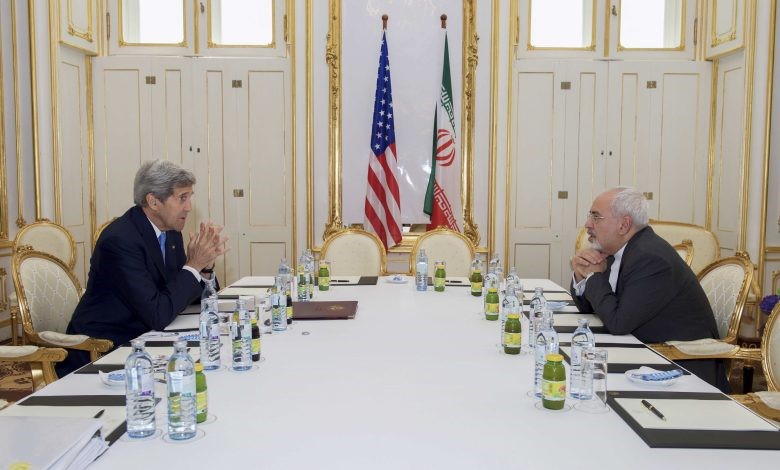
The Joint Comprehensive Plan of Action (JCPOA), signed in July 2015 between Iran and the P5+1 group, had from the outset two main pillars: “nuclear-related arrangements” and “commitments related to sanctions.” The general expectation within Iran was that in exchange for significantly limiting nuclear activities, at least a major portion of the sanctions—especially economic and banking sanctions—would be lifted or their effects eliminated. On the day the JCPOA came into effect, senior government officials, relying on promises made by the United States and the European Union, described the sanctions relief as certain and unobstructed, even speaking of major economic openings.
However, in practice, there was no noticeable change in the country’s economic conditions, and many indicators—including foreign investment, access to the international financial system, and even stable oil sales and the hassle-free return of revenues—still faced serious obstacles. Particularly, the complex and multilayered risk-based secondary sanctions regime of the United States effectively caused many foreign companies and banks to avoid engaging with Iran, even during periods when sanctions were ostensibly lifted.
The JCPOA experience regarding sanctions relief carries important lessons for the country’s foreign policy future. A realistic understanding of the nature of U.S. sanctions, recognition of differing perspectives on the concept of “sanctions relief,” and the importance of balancing concessions and gains are three key elements that this experience clarifies well. Revisiting this experience to accurately understand the reasons for its failure can provide a reliable guide for any future negotiations on sanctions relief.
Some key headings of this article are:
The review of the sanctions relief experience in the JCPOA
Western parties in the JCPOA negotiations promised to lift economic and financial sanctions on Iran, particularly those related to its nuclear program. Despite official commitments to remove all nuclear-related sanctions and restore Iran’s access to international finance, trade, and energy markets, the practical impact was limited. Most international banks and companies avoided dealing with Iran due to the complex U.S. secondary sanctions and associated risks. Although oil exports briefly increased, transferring revenues remained difficult. Overall, sanctions relief under the JCPOA was largely symbolic and legal on paper, with minimal real economic benefits. This experience highlights the need to understand the intricate structure of U.S. sanctions, which maintain pressure on Iran through market risk aversion despite formal easing.
The Meaning of the Promise to Lift Sanctions
One of the main challenges in implementing the JCPOA was the differing interpretations between Iran and the US regarding the meaning of “lifting sanctions.” Iran viewed it as a complete removal of all restrictions and full access to financial resources and markets, while the US defined it as issuing limited, temporary, and controlled licenses. This gap led to continued reluctance by companies and banks to engage with Iran due to the risks of secondary US sanctions, even after the JCPOA was in effect. Therefore, from the US perspective, lifting sanctions was not a full commitment but a managed and conditional process. This fundamental misunderstanding should be carefully considered in future negotiations to avoid unrealistic expectations.
Balancing Concessions and Gains in Negotiations
The JCPOA showed that Iran made significant nuclear concessions, but promised sanctions relief was largely unrealized. Future negotiations must ensure a realistic understanding of the other side’s ability and willingness to deliver. Iran should demand clear, measurable, and phased sanctions relief instead of vague promises, linking its own commitments to verified reciprocal actions. This balanced, step-by-step approach improves the chance of achieving tangible benefits and protects national interests.
This note is written by Mohammad Kazemi, Researcher of International and Strategic Analysis (ISA) Center .
To read more, click here