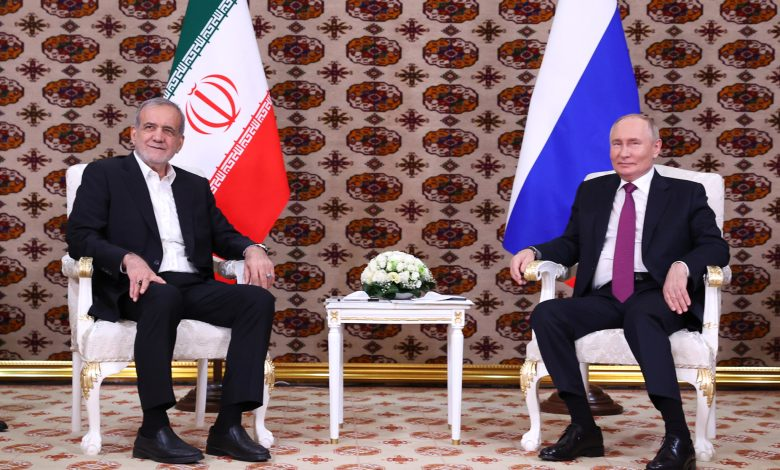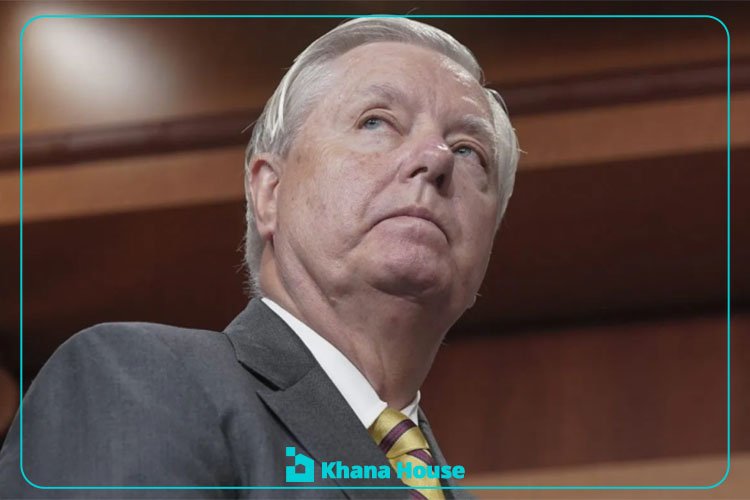
The Lindsey O. Graham Iran and Russia Sanctions Act of 2026 became law on September 18, following its signing by Donald Trump. The U.S. administration must implement the new sanctions stipulated in the law against Russia and Iran within a short period. The law primarily focuses on expanding sanctions and creating new sanctions tools against Russia. With regard to Iran, rather than introducing a new sanctions regime, it merely extends the sanctions known as the Iran Sanctions Act (ISA).
Extension of ISA Sanctions Against Iran
Section 201 of the Graham Act extends the Iran Sanctions Act (ISA) from 2026 to 2031. Enacted in 1996, ISA restricts U.S. and foreign investment exceeding $20 million in Iran’s oil and gas sectors. The sanctions survived the JCPOA and can only be temporarily waived by the U.S. president without new congressional legislation.
Escalating Sanctions Against Russia
Sections 102–117 of the Graham Act strengthen sanctions targeting Russian officials, banks, state institutions, and financial markets. Its key innovation is authorizing primary tariffs of up to 500% on Russian imports and secondary tariffs of up to 100% on third countries that are major buyers of Russian oil and gas or facilitate sanctions evasion. The president retains broad discretion to adjust these tariffs, while certain European allies may qualify for exemptions.
Conclusion
The law’s main objective is to pressure Russia by penalizing its energy buyers and sanctions facilitators. For Iran, extending ISA sanctions until 2031 may limit Congress’s willingness to grant oil-related sanctions relief under a potential future agreement.
To read more, download full paper