A report from Oxford Economics predicts that a prolonged U.S. military conflict with Iran, resulting in a six-month closure of the Strait of Hormuz and intensified attacks on energy infrastructure, could trigger a global industrial recession. World economic growth could plummet to 0.6% by 2026, the worst performance since COVID-19.
This scenario demonstrates that military actions against Iran may be financially unsustainable for the West and its allies, as Iran has the capacity to disrupt a chokepoint through which 20-25% of global oil flows, creating significant economic leverage without direct military parity.
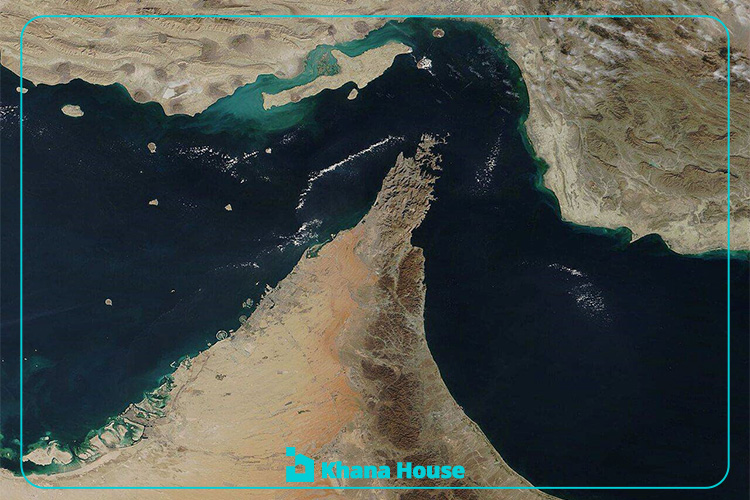
Broader Implications of the Hormuz Crisis
The ramifications extend beyond oil and gas, affecting vital supplies of sulfur, helium, polyethylene, aluminum, and fertilizers. Disruptions could lead to increased costs and threaten global supply chains, impacting food security, construction, and advanced technology sectors.
This multifaceted crisis underscores the Strait of Hormuz’s role as a critical artery for the global economy. While a closure would also harm Iran’s export revenues, the primary vulnerabilities lie within Persian Gulf economies dependent on energy and raw materials. Ultimately, continuing conflict with Iran poses a substantial risk to the global economic order, with the potential for significant repercussions far beyond regional considerations.
This study is conducted by Mohammadreza Borji at Economic Diplomacy Studies thinktank, Imam Sadiq University in 2026.
To read more, download full paper
You can read the details of the event about Laws and Regulations for the Strait of Hormuz held at KHANA.