An Examination of Various Aspects of Using Artificial Intelligence in Foreign Policy and Strategies for Employing AI in International Relations
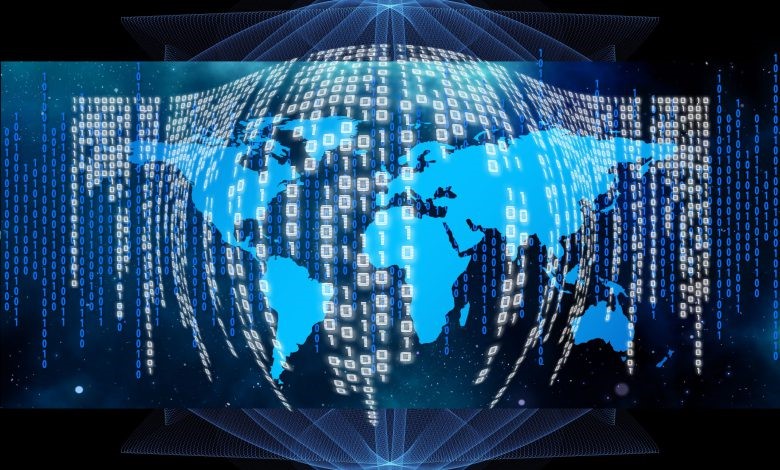
Artificial intelligence (AI) is an interdisciplinary field rooted in various sciences such as mathematics, neuroscience, psychology, and more. Like a human being, AI has the potential to engage in diverse domains including computer science, engineering, biology, and political science. Foreign policy is among the areas that are expected to be increasingly influenced by the emerging impacts of artificial intelligence, potentially transforming strategies and international relations. Many traditional diplomatic tools can be adapted to AI in order to provide more effective responses to the actions of the surrounding world.
Various Dimensions of Artificial Intelligence Use in Foreign Policy
Artificial intelligence (AI) is becoming increasingly influential in foreign policy. While past efforts have focused on using the internet and social media for public diplomacy, AI introduces new dimensions that require deeper analysis. These include:
- Policy-making: AI use must be guided by top-level decision-makers in foreign ministries, with clear goals, ethical boundaries, and national interests in mind.
- Public Diplomacy: AI should be integrated into communication strategies to raise awareness about its global impact, especially in high-priority areas.
- International Cooperation: Coordinated efforts through international organizations and treaties are necessary to address AI-related threats and set global standards, even though immediate consensus may be difficult.
Strategies for Addressing the Threats Posed by AI-Driven Weapons
AI-based weapons present serious challenges, yet many foreign policy institutions lack proper understanding of how to address them. Key concerns include: shifts in power dynamics, increased terrorism through cheap AI weapons, and new conflicts from data manipulation. International institutions responsible for global security should focus on:
- Defining Red Lines – Clear international guidelines are needed to align AI use with human rights and global norms.
- Promoting AI Ethics through Public Diplomacy – NGOs and educational bodies must raise awareness about ethical concerns related to AI in warfare.
- Arms Control – Immediate efforts are needed to establish a multilateral legal framework to regulate AI weaponry.
Strategies for Employing Artificial Intelligence in International Relations
To ensure AI contributes positively to international relations and does not worsen global imbalances, its purpose must be clearly defined. Key strategies include:
- Building Local Talent – Countries should invest in developing and retaining domestic AI expertise to reduce dependency on global powers like the U.S. and China.
- Humanitarian AI Development – Governments and organizations must support AI systems with humanitarian goals, even if they don’t offer immediate profits.
- Expanding AI Education & Ethics – AI literacy should go beyond technical experts, promoting public understanding and emphasizing ethical and political responsibilities in AI development.
This study was conducted at International Relations Think Tank analysis network in collaboration with Seyed Abdolmajid Zavari and Abolfazl Tayebi in 2022.
To read more, click here