An overview of various types of renewable energy, the economic and social dimensions of developing renewable energy in the country, the issues and problems facing the renewable energy sector, and proposed solutions to address these challenges.
Abstract
Environmental issues across the globe have gained such significance that preserving the health of the atmosphere is now considered one of the most critical prerequisites for sustainable global economic development. The use of fossil fuels, due to the emission of gases such as carbon dioxide and sulfur dioxide and the resulting air pollution, has become a major global concern. Consequently, humanity has initiated joint efforts to control carbon emissions, protect the environment, and ultimately ensure the continued survival of humankind on Earth. In light of these challenges, focusing on renewable energy as an effective solution in this domain is both essential and urgent.
In this article you read about:
Renewable Energy
Renewable energy sources can naturally regenerate, unlike fossil fuels. With increasing global energy demand, developing renewable energy is essential. Two main approaches exist: converting renewable sources into electricity or using them directly for heating, cooling, or mechanical work.
1. Solar Energy:
- Infinite and clean source.
- Environmentally friendly and culturally adaptable.
- Challenges: low intensity, cloudy weather, high system and transport costs.
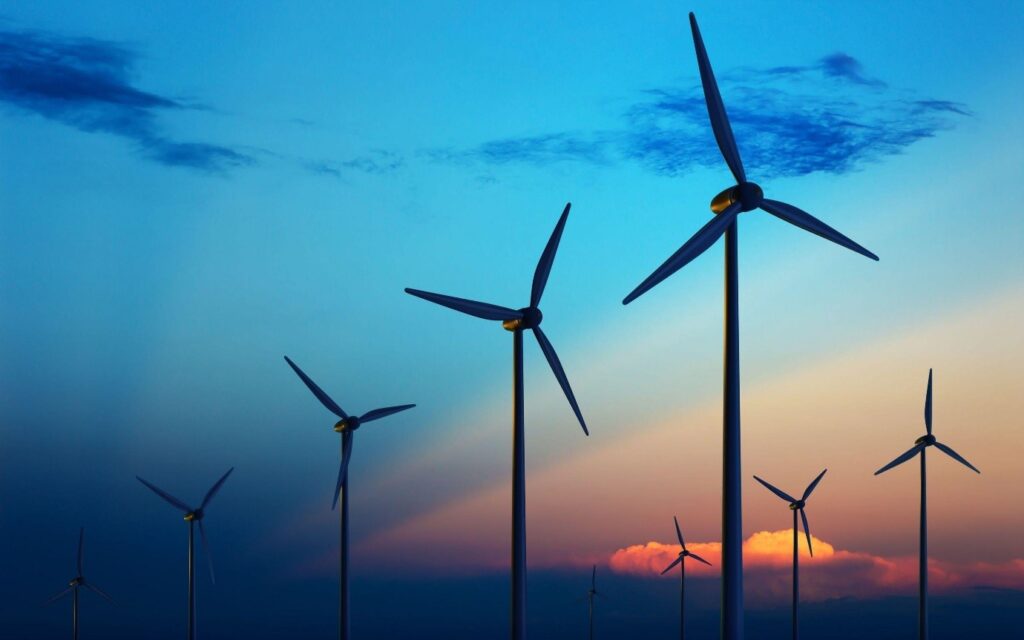
2. Wind Energy:
- Converts wind into electricity or mechanical energy.
- Challenges: lack of wind data, environmental and aesthetic impacts, limited investment.
3. Ocean and Wave Energy:
- Includes waves, tides, and sea currents.
- Iran has high potential due to its long coastline.
- Currently very costly and not yet economically viable at scale.
Economic and Social Dimensions of Developing Renewable Energy in the Country
Fossil fuel resources are limited; oil is expected to be depleted in 43 years and natural gas in 167 years. Renewable energy carries minimal environmental and social costs. Increasing energy demand, pollution, global warming, acid rain, and carbon emissions necessitate reducing fossil fuel consumption and shifting towards renewable sources. Decentralized renewable energy production fosters development in remote and rural areas, strengthens local economies and communities, and helps prevent urban migration.
Management, Structural, and Organizational Issues in the Renewable Energy Sector
The renewable energy sector faces structural and organizational challenges including inadequate frameworks, lengthy and costly permit processes, lack of investment incentives due to high risks, absence of a central governing body, unclear organizational responsibilities, and insufficient national policies and planning for renewable energy development.
To tackle renewable energy challenges, key solutions include:
- Ensuring social justice in energy use
- Creating policies protecting consumers’ rights
- Streamlining administrative processes
- Providing government subsidies
- Raising awareness among leaders about renewable energy potential
- Enacting laws focused on renewable energy and environmental protection
This study was conducted at Economic Corruption Confrontation Thinktank by Saeid Talaei, in collaboration with Kourosh Shouri and Rasoul Foroughi in 2022.
To read more, click here