An exploration of the relationship between politics and ethics in global political philosophy, along with an analysis of ethical principles in election campaigns from the perspective of the Supreme Leader of Iran
Abstract
The relationship between ethics and politics has always been a fundamental topic in political philosophy, drawing the attention of thinkers and philosophers throughout history. Various theories have been proposed regarding their interconnection—some emphasizing the primacy of politics, while others advocate for the unity and inseparability of ethics and politics. The victory of the Islamic Revolution in 1979, regarded as the most popular revolution in political history, and the establishment of the Islamic Republic of Iran, marked the embodiment of the unity of religion and politics in practice. Undoubtedly, political and electoral ethics in a society committed to the unity of politics and ethics differ greatly from those in a society that prioritizes politics over ethics, with political and social institutions shaped accordingly.
Some key headings of this article are:
The Relationship Between Politics and Ethics
The relationship between politics and ethics is a central issue in political philosophy. Four main theories explain this relationship:
- Separation of Ethics and Politics: Politics must prioritize interests and realism over moral rules. Advocated by Machiavelli.
- Subordination of Ethics to Politics: Ethics is defined by political/revolutionary goals, with no independent moral standards. Supported by thinkers like Lenin and Trotsky.
- Two-Level Theory: Ethics applies differently at the individual and collective levels. Max Weber distinguishes between personal conviction and political responsibility.
- Unity of Ethics and Politics: Ethics and politics are inseparable; both political actions and goals must be morally grounded.
The Relationship Between Ethics and Politics in the Islamic Republic of Iran
The Islamic Republic of Iran is based on the unity of ethics and politics, unlike secular theories. Rooted in Islamic teachings and Imam Khomeini’s views, it sees ethics and politics as mutually reinforcing—especially evident in ethical conduct during elections.
Ethical Principles Emphasized for Candidates in the Statements of the Supreme Leader of the Islamic Republic
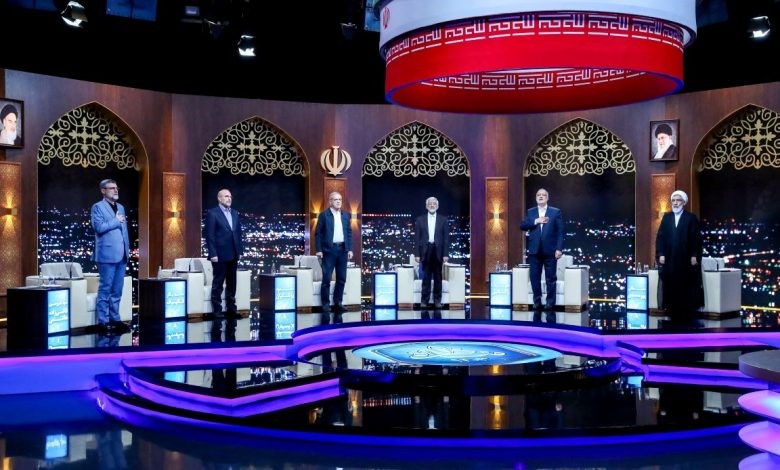
The Supreme Leader of Iran emphasizes ethical principles for election candidates, including clean campaigning, honesty, national unity, avoiding extravagant spending, promoting hope, and making realistic promises. These principles aim to ensure fair elections, maintain public trust, and strengthen social cohesion.
This study was conducted at Islamic Parliament Research Center Of The Islamic Republic Of IRAN in 2024.
To read more, click here