Reviewing the Objectives and the Necessity of Developing a Strategic Framework and Offering Policy Recommendations
Abstract
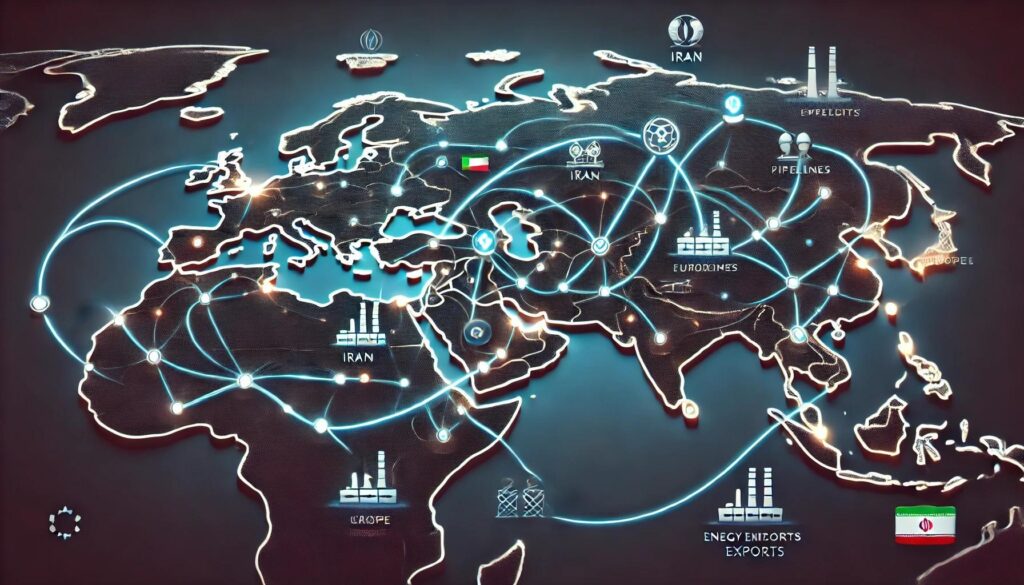
Cyberspace, internet networks, and related systems are powerful communication tools with diverse positive and negative functions, leading to changes in the international system and enhancing the role of non-state actors in public opinion. They have created a new form of diplomacy alongside traditional state diplomacy. In this context, virtual media within social networks have become one of the most effective tools for enhancing or undermining the credibility of countries, playing a key role in securing their national interests. Therefore, understanding how to utilize this infrastructure to promote the national brand and as an effective instrument for increasing Iran’s influence in interaction and communication indices is significant.
In this article you read about:
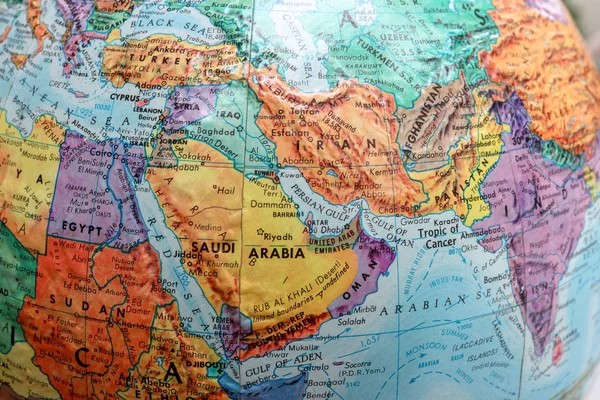
The Necessity of Developing a Strategic Model for Enhancing Iran’s National Brand in Arab Countries
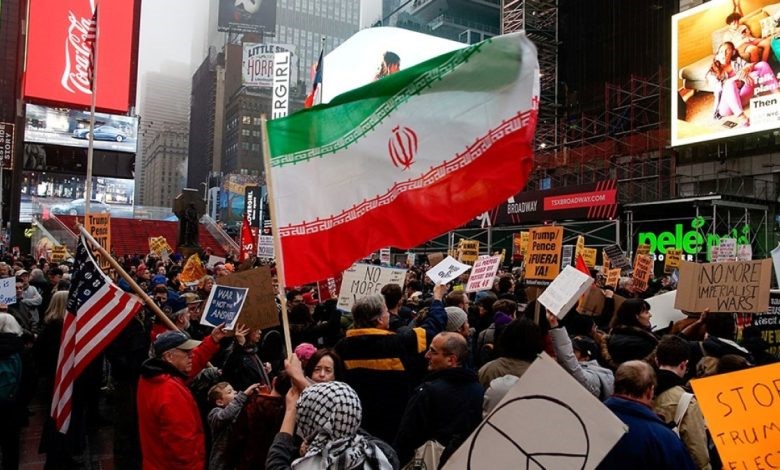
Mobile and social media use in Arab countries has grown rapidly, shaping regional social dynamics. To counter Iranophobia, Western dominance, and weakening cultural and strategic influence, a strategic model is needed to strengthen Iran’s national brand in Arab cyberspace.
The Goals of Developing a Strategic Model for Promoting Iran’s National Brand in Arab Countries
- Support regional influence policies of the Islamic Revolution
- Improve Iran’s image in Arab states via cyberspace
- Clarify Iran’s transnational role and global effectiveness
- Define key concepts, dimensions, and features of brand promotion
- Establish indicators to strengthen Iran’s position in international relations
Nature of the Strategic Model for Promoting Iran’s National Brand in Arab Countries through Virtual Media
Cyberspace amplifies real-world influence across political, economic, social, cultural, scientific, security, and legal domains, shaping a country’s credibility and impact.
Political Dimension
Cyberspace presents challenges and threats, but governments can maintain authority and legitimacy. Key actions for Iran include:
- Cyber diplomacy via political participation, regional agreements, and alliances.
- Political cooperation in international forums and coalitions.
- Judicial and law enforcement collaborations
Economic Dimension
Cyberspace has transformed trade and investment. Key actions for Iran include:
- Promoting digital trade, including shared goods/services, imports, exports, and customs incentives.
- Strengthening economic diplomacy via tourism, health, knowledge-based economy, and showcasing successful models.
Social Dimension
Modern media technologies have created large information societies. Key actions for Iran include:
- Enhancing national social capital through public opinion assessment and promoting national dignity.
- Strengthening social cohesion via national identity, ethnic unity, and showcasing religious democracy.
Cultural Dimension
Cyberspace is effective for cultural influence and shaping public opinion. Key actions for Iran include:
Cultural diplomacy by addressing accusations, engaging regional intellectual currents, and exporting culture.
Producing digital cultural content, establishing shared media infrastructures, and expanding Persian language education for Arab speakers.
Policy Recommendations
- Activate Iran’s cyber diplomacy targeting Arab audiences.
- Tailor content to each social media platform.
- Use emerging technologies like AI, big data, and cloud computing for national branding.
This study was conducted at Iran’s Nation Branding Strategic Studies Institute By Abolfazl Valavi in 2024.
To read more, click here