The Western Bloc Explained
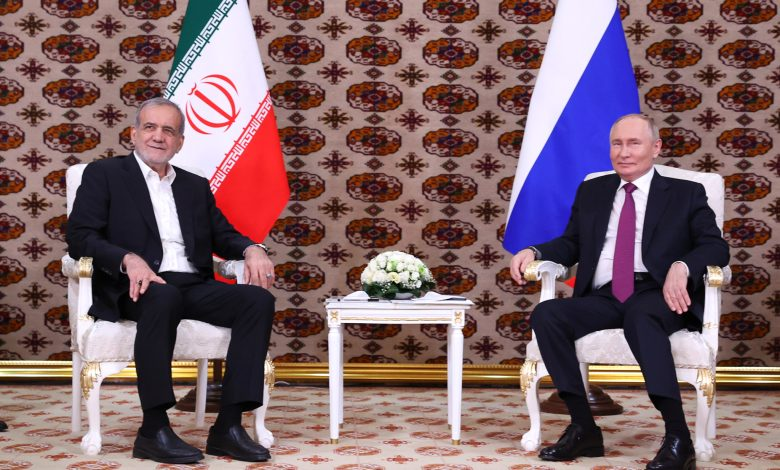
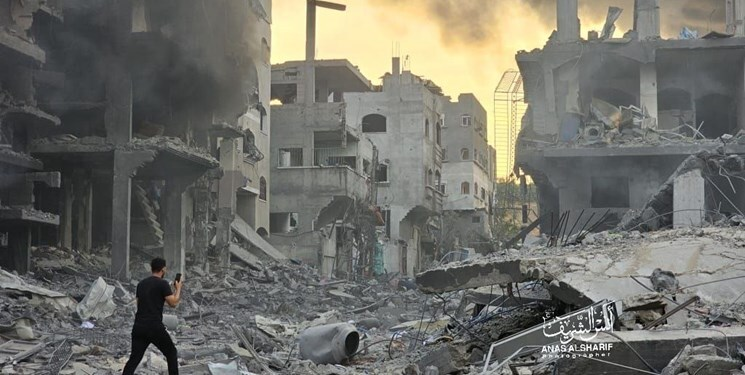
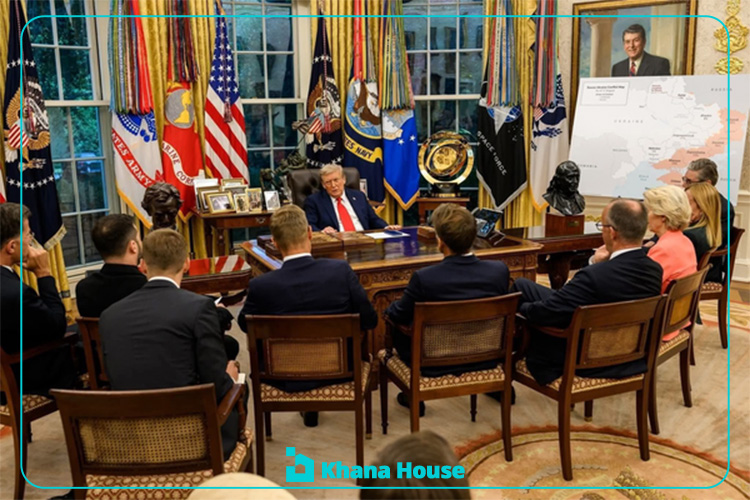
The “West” or “Global North” is often described as a U.S.-led political, military, economic, and technological alliance rather than just a cultural group. It includes the United States, Canada, most of Europe, Japan, Australia, New Zealand, and close security partners.
Why Does the Western Bloc Act Collectively?
These countries are connected through NATO, financial institutions, intelligence cooperation, technology networks, and shared strategic interests. As a result, they frequently coordinate policies on issues involving Iran, China, Russia, and other states that challenge the existing international order.
Key Reasons Behind Western Bloc‘s Strategy
- U.S. Global Leadership
The United States remains the dominant military and financial power within the bloc and helps shape its foreign policy agenda.
- Rising Competition from China and the Global South
The growth of China and emerging economies has challenged Western dominance, encouraging closer coordination among Western allies.
- Security and Strategic Interests
Issues such as energy routes, regional influence, military alliances, and technological competition often drive collective action.
Does the Global South Have a Bloc?
The Global South includes many developing and emerging countries, but it is not a unified geopolitical bloc. Although organizations such as BRICS, the G77, and the Shanghai Cooperation Organization promote cooperation, member states often have different interests and priorities.
Key Difference
While the Global North operates through relatively integrated political, economic, and security structures, the Global South remains a diverse group of countries without a single leadership or coordinated strategy.
Conclusion
According to this perspective, the Western bloc functions as a highly integrated alliance that uses diplomatic, economic, technological, and military tools to protect its global influence and respond to geopolitical challengers such as Iran, China, and Russia.
This note is written by Amir Khorasani in 2026.
To read more, download full paper