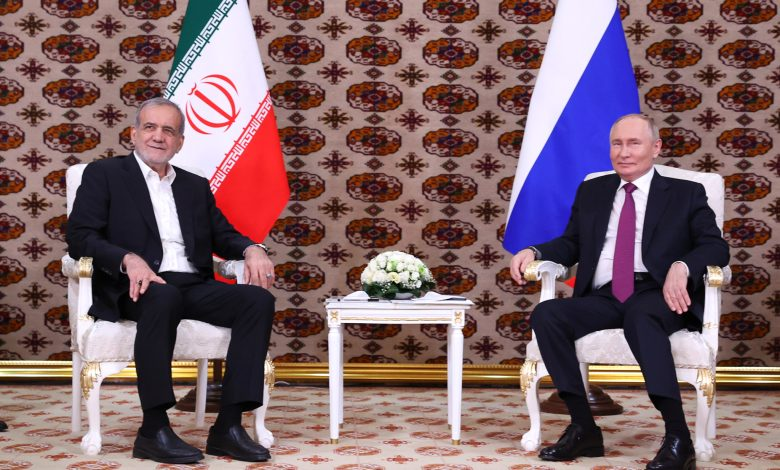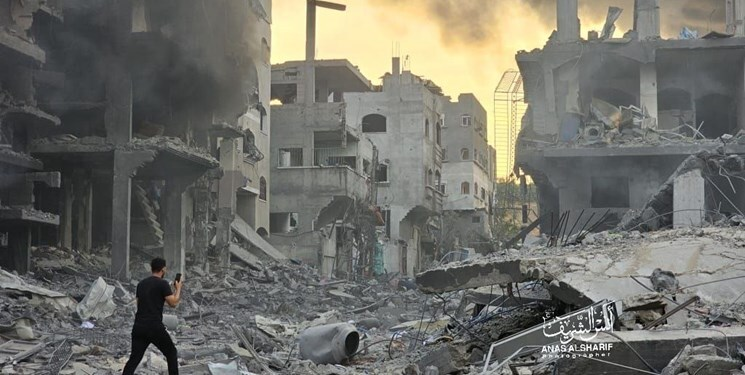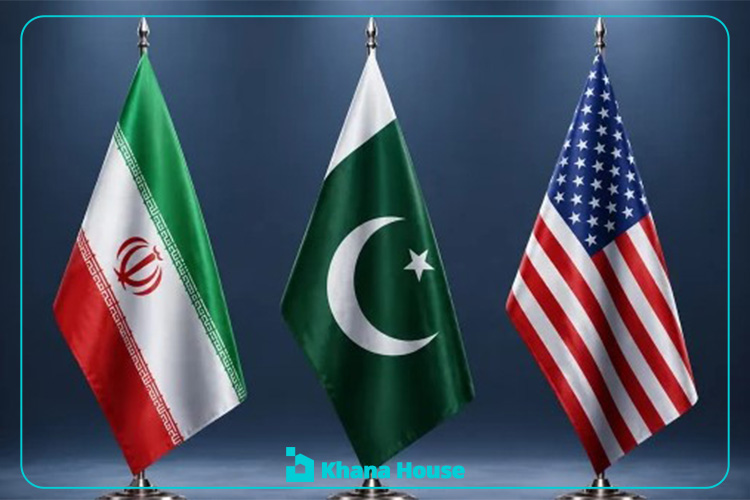
The Islamabad Memorandum is best described as a hybrid framework positioned between a political interim arrangement and a legally binding international agreement, functioning primarily as a crisis-management mechanism aimed at stabilizing tensions rather than conclusively resolving disputes.
Security and Sovereignty: Ambiguity in International Law in The Islamabad Memorandum
The framework reflects general principles of the UN Charter, but it lacks precise legal definitions of hostile actions, leaving modern security threats such as cyber warfare, information operations, and proxy conflicts within an ambiguous interpretive space that may increase escalation risks.
Economic Dimension: Sanctions Relief and Financial Uncertainty
The agreement links economic incentives with security commitments, including large-scale financing and sanctions relief, yet its reliance on temporary waivers instead of permanent sanctions removal creates structural legal uncertainty that limits long-term investor confidence.
Nuclear and Technical Issues: Verification Gaps and Strategic Ambiguity
In the nuclear domain, the Islamabad understanding remains largely declaratory, avoiding technical benchmarks such as enrichment levels, stockpile limitations, and verification protocols, which sustains strategic ambiguity and weakens enforceability.
Institutional Framework: Weak Monitoring and Enforcement Mechanisms
The institutional design of the agreement lacks clarity regarding the authority and binding power of its monitoring mechanism, while potential involvement of the UN Security Council may enhance legitimacy but also increase the risk of geopolitical deadlock.
Roadmap Rather Than Final Agreement
Overall, the Islamabad understanding functions as a preliminary roadmap for negotiations rather than a finalized agreement, and its transition into a durable peace framework depends on operational legal definitions, enforceable institutional mechanisms, and binding dispute-resolution structures.
This policy note Is written by Afsaneh Hajilou at Iran Policy Assessment Center in 2026.
To read more, download full paper