Assessment of Iran’s electricity production status, evaluation of Iran’s regional electricity trade, and presentation of a model for the construction of export-oriented power plants by the private sector
Abstract
Greater access to energy—and the resulting growth, development, and prosperity—is a common goal among most governments. An analysis of electricity consumption in the region reveals a demand of nearly 15,000 megawatts in neighboring countries. By meeting part of this demand, Iran can not only generate foreign currency revenue but also strengthen mutual interdependence with these countries, thereby enhancing its political and economic influence in the region.
However, due to power imbalances in recent years, Iran has been unable to fully meet its electricity export commitments. As a result, over the past two years, electricity exports have declined while imports have increased. This situation has led to the loss of Iran’s electricity export markets and a weakening of the country’s energy diplomacy in the region.
In this article you read about:
Assessment of Iran’s Electricity Production Status: Iran relies mainly on thermal power for electricity, with a strong private sector role (65% of production in 2022). Despite a 68,000 MW capacity, a 10,000 MW gap appeared during peak demand due to underuse of thermal plants and limited hydropower output.
Iran’s Regional Electricity Trade: Iran is electrically connected to all neighboring countries with land borders. It currently exports electricity to four of them—Iraq, Turkey, Afghanistan, and Pakistan—which face seasonal power shortages.
Electricity Demand in Neighboring Countries:
- Iraq: Faces a projected electricity shortfall of 8,000–13,000 MW; currently depends on Iran for about 40% of its electricity through gas and power imports.
- Turkey: Now a net electricity exporter; limited potential for future electricity imports from Iran, though a 600 MW connection exists with another planned.
- Afghanistan: Has weak infrastructure and imports 80% of its electricity. Iran’s export potential to Afghanistan is estimated at 1,000–2,000 MW.
- Pakistan: Expected to face a power deficit of 5,000–11,000 MW by 2025, creating significant potential for electricity imports, including from Iran.
The proposal for export-oriented power plants by the private sector, which includes three packages:
Gas-fired plants: Challenges include sustainable natural gas supply and pricing.
Coal-fired plants: Issues involve technology transfer and the cost of coal extraction.
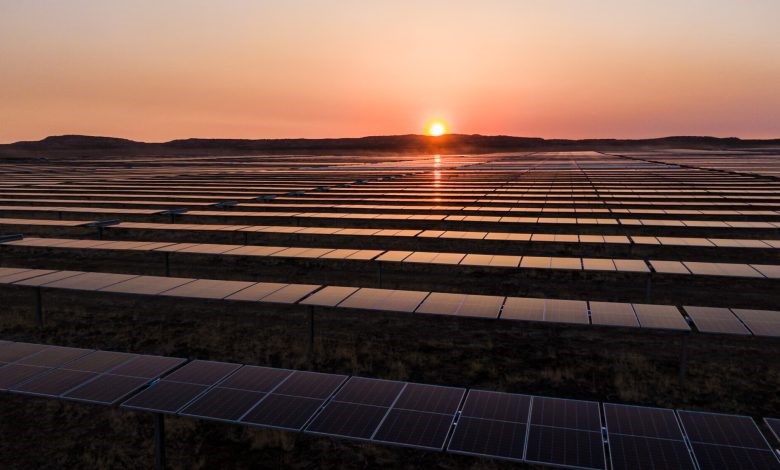
Renewable plants: Require specific technical considerations and a unique sales model.
This study was conducted at Moqavemati Economy Think Tank by Saleh Rahimi in 2024.
To read more, click here