Assessment of the Current Market Status and Future Market Forecast of the Product, and the Strategic Importance of Developing Tools Related to Directional Drilling
Abstract
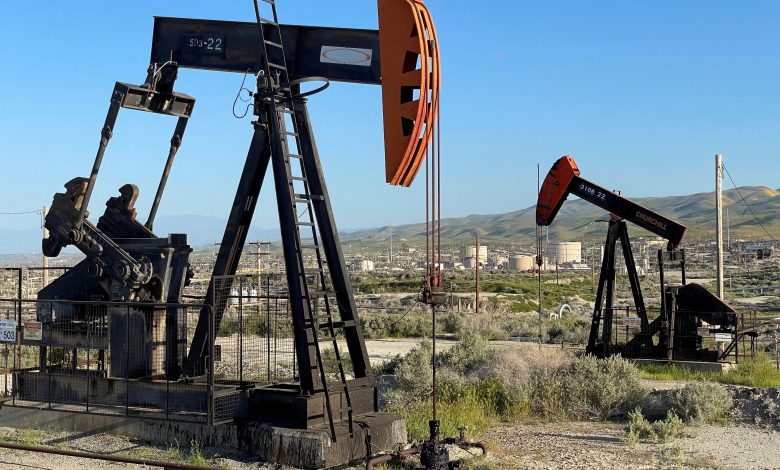
Directional drilling refers to a type of drilling in which the well path deviates from the pre-designed vertical trajectory. This method is used when the final path and the starting point are laterally separated. Directional drilling is also known by other terms such as deviated drilling, angled drilling, and guided drilling. It was first used for drilling wells from the shore to beneath the sea. Whenever there are natural, geological, technical, or economic obstacles to establishing a drilling rig location and starting the drilling process, directional drilling can be used as an alternative solution.
In this article you read about:
Applications of Directional Drilling Technology and its Related Sub-technologies: Directional drilling technology has various applications, including:
- Deviation from the initial path: Initially used to bypass obstructions within a well, it’s commonly employed when geological changes are observed or when tools get stuck, with drilling continuing from the side.
- Inaccessible locations: When drilling needs to be done beneath sensitive areas (e.g., residential zones, rivers), a directional well is drilled from a distance to reach the target.
- Horizontal drilling: Used to increase well production, this involves drilling at a 90-degree angle, with the well design beginning by locating the target and setting up the rig.
Current market status and future market forecast of the product and its sub-technologies
The strategic importance of manufacturing tools related to directional drilling, Determination of project phases
Definition of project scope, implementation stages and their activity descriptions, and Work Breakdown Structure
This study was conducted at Sustainable Energy Development Center by Mehdi Tabibnejad Azizi, at the request of the Vice Presidency for Science, Technology, and Knowledge-Based Economy of the Islamic Republic of Iran in 2022.
To read more, click here