Examining the Land Corridor as an Alternative to the Red Sea and the Necessity of Finding Solutions to Block the Land Corridor
Abstract
With several months having passed since Operation Al-Aqsa Storm, the campaign to boycott the economic lifelines of the Zionist regime has become more prominent than ever among Muslim nations. Boycotting the regime’s economic arteries can be implemented across various sectors through both civil and governmental approaches. Energy imports, Arab-Hebrew investment projects, service exports, goods exports and imports, and transit routes all possess significant potential for economically pressuring the Zionist regime. One key area for such economic pressure is the boycott of transit routes leading to Israel.
In this article you read about:
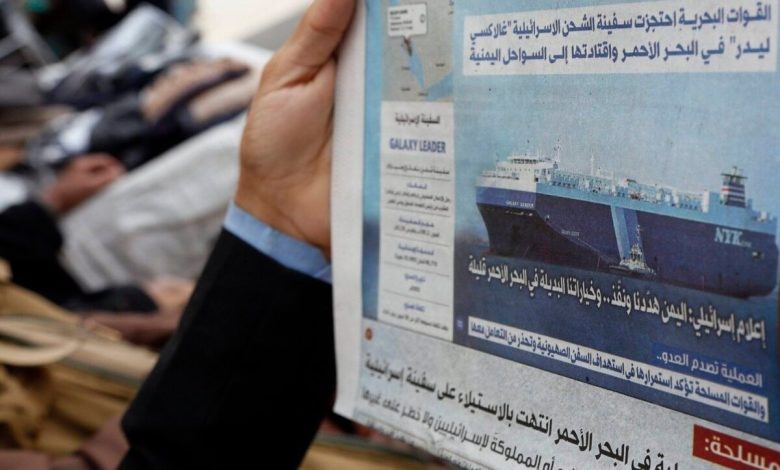
The Impact of Yemen’s Attacks on the Foreign Trade of the Zionist Regime: Yemen’s attacks in the Red Sea, including seizing the Galaxy Leader, disrupted Israel’s trade routes. Major shipping lines rerouted around Africa, raising costs. Up to 29% of Israel’s imports and 25% of exports were affected.
The Land Corridor Replacing the Red Sea and Its Benefits for Israel: Israel, with regional allies, has activated a land corridor (part of IMEC) to bypass the disrupted Red Sea route and ensure delivery of essential goods. Containers from China and India are offloaded in Gulf ports and transported by truck via Jordan to Israel. While not a full replacement for sea transit, it significantly reduces shipping time (14 to 4 days) and could handle 1.4–1.8 million tons annually.
Collaboration of Israeli, Western, and Arab Companies in the Land Corridor Replacing the Red Sea: Israeli company Trucknet, valued at over $13 million, is coordinating land transport to Israel with Arab partners. It has signed logistics agreements with firms from the UAE, Bahrain, and Egypt to support an alternative trade route bypassing the Red Sea.
The Necessity of Finding Solutions to Block the Land Corridor: Israel has promoted the activation of a land corridor to downplay the impact of Yemeni Red Sea attacks, boost its struggling economy, and highlight Arab cooperation. While not a full replacement for the Red Sea route, the corridor can still transport essential goods. Therefore, blocking it is important to:
- Prevent easy access to critical supplies,
- Undermine Israeli propaganda and morale,
- Avoid long-term political, economic, and security risks for Iran and the resistance axis.
This study was conducted at International Economics ThinkTank by Amirhossein Sedighi at the request of the Center for Cooperation on Transformation and Progress of the Presidency in 2024.
To read more, click here