Islamic Parliament Research Center of the Islamic Republic of Iran
Islamic Parliament Research Center of the Islamic Republic of Iran examines the drivers behind the declining water level of the Caspian Sea, its environmental consequences, and international policy options for protecting the world’s largest enclosed inland body of water.
Why Is the Caspian Sea Water Level Falling?
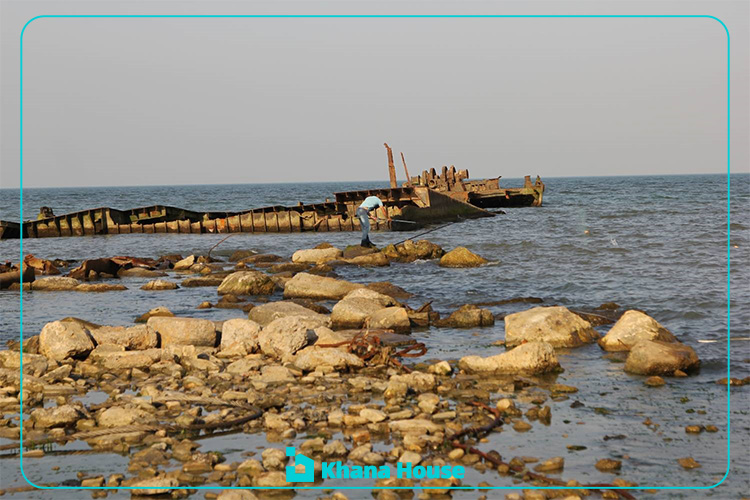
The Caspian Sea has entered a critical phase of water level decline, threatening the region’s environmental stability and economic security. Over the past decade, the sea level has fallen by more than two meters, representing one of the fastest declines recorded in the past 150 years.
More than 80% of the Caspian Sea’s inflow comes from rivers, with the Volga River alone supplying approximately 80–90% of its freshwater. Climate change, large-scale dam construction, and hydropower development within the Volga basin have significantly reduced water inflows and disrupted the basin’s natural balance.
Environmental and Economic Risks
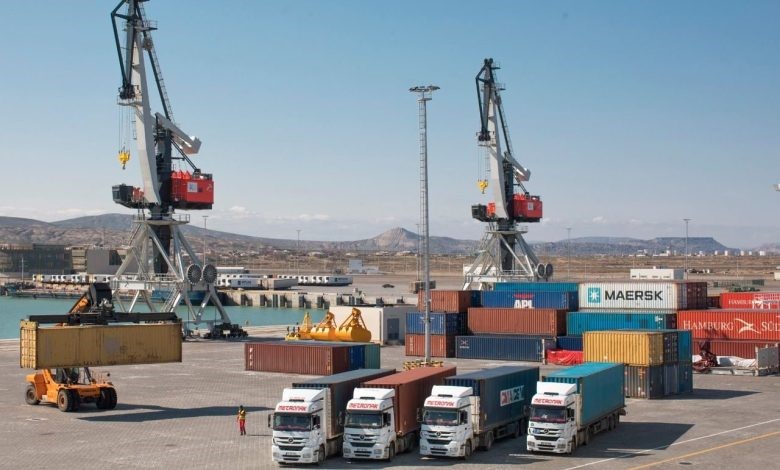
Continued water loss could disrupt maritime transportation—particularly along the Volga–Don Canal—reduce the viability of port infrastructure, and threaten the Caspian Sea’s unique biodiversity, including endangered sturgeon populations and the Caspian seal. These environmental pressures could also contribute to economic instability and climate-induced migration in coastal communities.
International Cooperation Is Essential
Adopting a comprehensive national strategy supported by active water diplomacy among the Caspian littoral states. It also calls for stronger international legal frameworks and sustained regional cooperation to align industrial and agricultural policies with environmental protection goals, ensuring the long-term sustainability of the Caspian Sea.
To read more, download full paper