
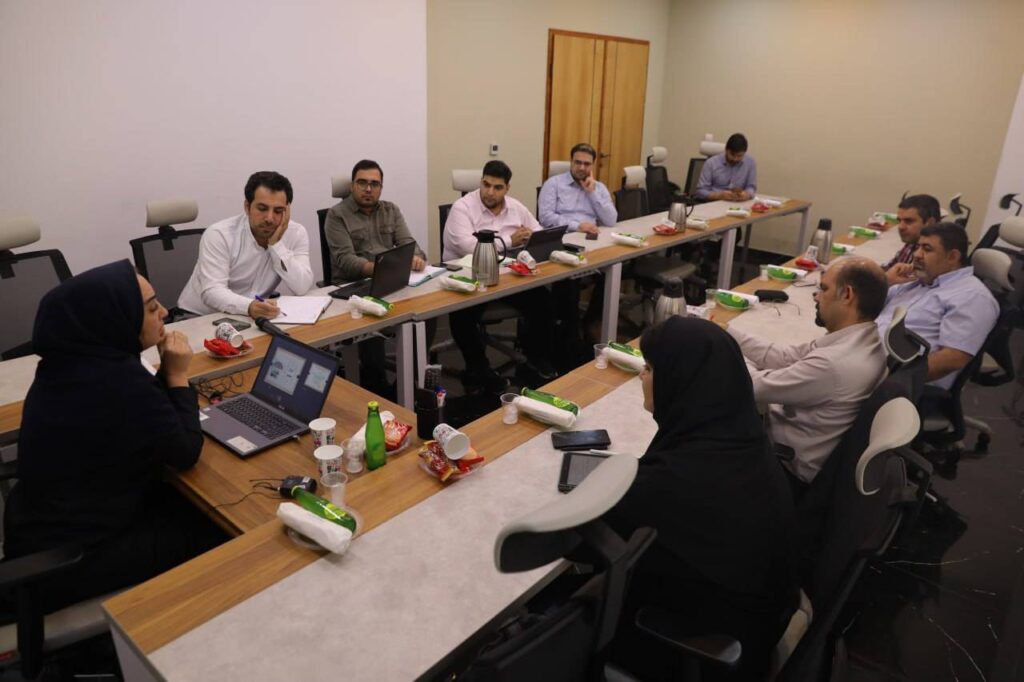
KHANA hosted a specialized session titled “The Role of Think Tanks in Strengthening Passive Defense of the Health System Against Biological Threats
In an effort to examine internal challenges and improve the mechanisms of Iran’s health system, KHANA hosted a specialized session titled “The Role of Think Tanks in Strengthening Passive Defense of the Health System.”
The meeting brought together Parisa Hasani, Head of the Passive Defense Secretariat at the Ministry of Health, along with health specialists, managers, and researchers. The discussion focused on key topics such as the need to shift from crisis-oriented to risk-oriented approaches, risk analysis by think tanks, bridging information gaps across health system sectors, strengthening foresight for likely scenarios, considering both threats and opportunities presented by emerging technologies like artificial intelligence, and managing biological risks from invasive vectors.
These discussions highlighted the importance of enhancing societal resilience against internal and external threats and the necessity of preventive policy-making to maintain the health system’s capacities under crisis conditions. In the session’s conclusion, proposals were presented for identifying and leveraging think-tank capacities, supported by the Passive Defense Secretariat, and establishing sustainable agreements to facilitate collaboration between research communities and government bodies. These initiatives aim to create effective, participation-driven communication channels that harness collective resources, improve the resilience of the health system against diverse threats, and lay the groundwork for long-term passive defense policies.


