An analytical note by the Economic Diplomacy Think Tank on the Zangazur Corridor: Economic Opportunity or Geopolitical Threat for Iran
Abstract
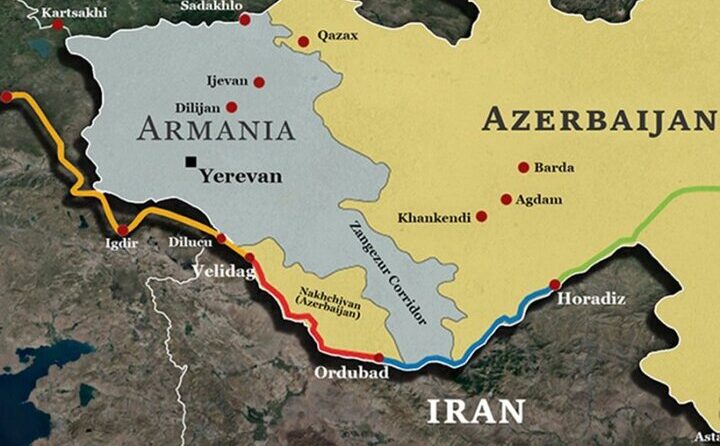
After several years of disputes and three wars between Azerbaijan and Armenia since 1991, as well as intermittent border clashes in the Nagorno-Karabakh region, the leaders of the two countries finally met on August 8, 2025 (17 Mordad 1404) at the White House, mediated by Donald Trump, and signed a draft memorandum of understanding. This memorandum is intended not only to resolve the border disputes between the two countries but also to allow the construction of a corridor in the Zangazur region in southern Armenia, thereby connecting the Nakhchivan region to the Republic of Azerbaijan. The memorandum has sparked numerous reactions inside and outside Iran and within political circles. To gain a comprehensive and accurate analysis of the regional situation, it is necessary to examine the details of this agreement carefully.
In this article you also read about:
What Happened at the White House?
At the White House trilateral meeting, Aliyev and Pashinyan initialed a 17-article memorandum. While this shows agreement on the content, final approval and enforceability depend on legal formalities like parliamentary ratification or necessary legal amendments.
What Is Preventing the Final Signing of the Agreement?
The final signing of the Zangazur Corridor agreement is blocked by Armenia’s Constitution, which claims Nagorno-Karabakh as its territory. To implement the agreement, Armenia must amend its Constitution to remove this claim permanently.
Regional Actors’ Views on the Corridor
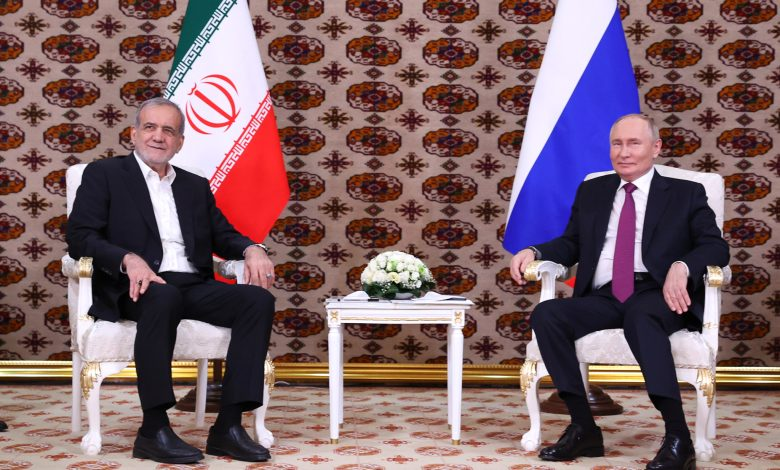
Russia welcomed the agreement but warned against foreign intervention. Iran supports the plan since it does not alter borders but remains concerned about U.S. presence. Turkey sees the corridor as a potential step toward its Caspian and Central Asia ambitions, though regional issues remain.
Why Does Tehran Oppose the Implementation of This Project?
Tehran’s opposition stems from concerns over U.S. involvement and potential foreign control, though actual U.S. military intervention is unlikely.
This study was conducted at Economic Diplomacy Studies thinktank, Imam Sadiq University by Amirreza Souri in 2025.
To read more, click here