
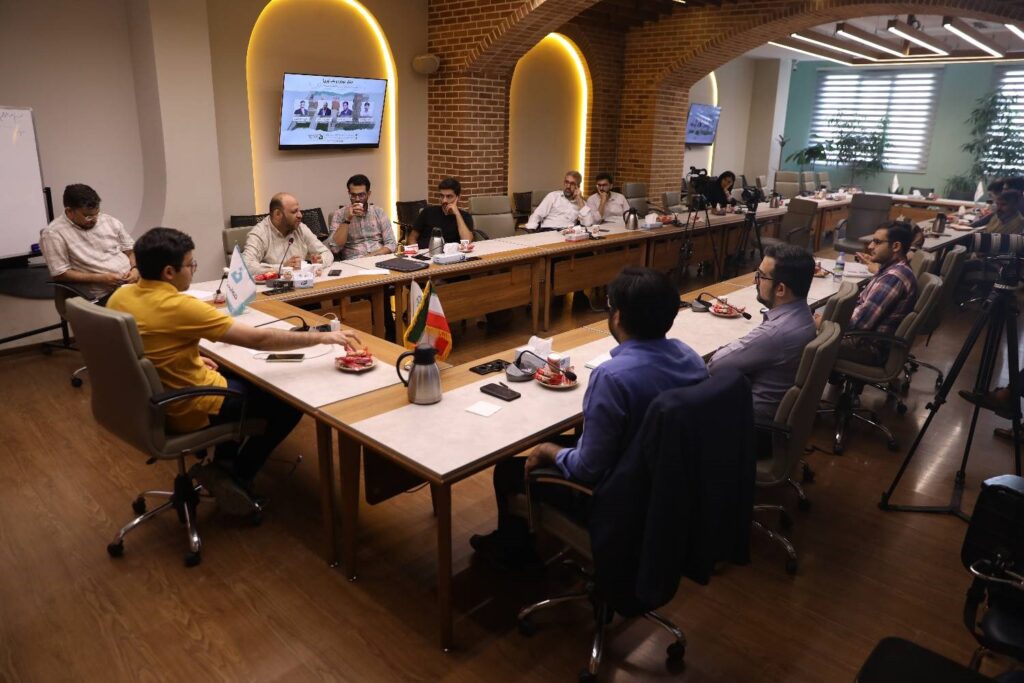
KHANA hosted a session titled “War Revisited and Resilience” with researchers and social activists
On September 3, 2025, KHANA hosted a session titled “War Revisited and Resilience” with researchers and social activists. The discussion centered on a vital question: if the 12-day war had lasted months instead of days, could society have endured?
Dr. Meysam Mahdiyar, faculty member at Allameh Tabataba’i University, defined resilience as the social capacity to withstand shocks, stressing the role of social capital as the glue binding people and state. Dr. Komeil Gheydarloo, Deputy for Social Studies at the Parliament Research Center, noted that long-term resilience depends on both a strong society and capable governance. Mehdi Maskani, Deputy Minister of Cooperatives and a grassroots activist, argued that resilience was never fully tested during the short war and emphasized the value of volunteer networks. Finally, Mohammad-Bagher Omati, social researcher, highlighted global lessons from formal and informal volunteer participation, calling solidarity through active participation the core of true resilience.
For Iran and other resistance countries, resilience is a strategic necessity. This session aimed to address the knowledge gaps surrounding it and highlight the need for a networked order linking citizens and institutions for future challenges.


