The Ramadan War caused widespread destruction in West Asia. Reconstruction offers a chance for economic transformation in energy, transport, and industry, promoting sustainable development and regional cooperation through technology and internal synergies.
Islamic Republic of Iran’s Capacities for Regional Reconstruction
- Transforming External Pressures into Domestic Capacity: Decades of external pressure have fostered Iran’s self-reliance, developing strong industrial and engineering capabilities for large-scale infrastructure projects, making it a resilient partner in reconstruction.
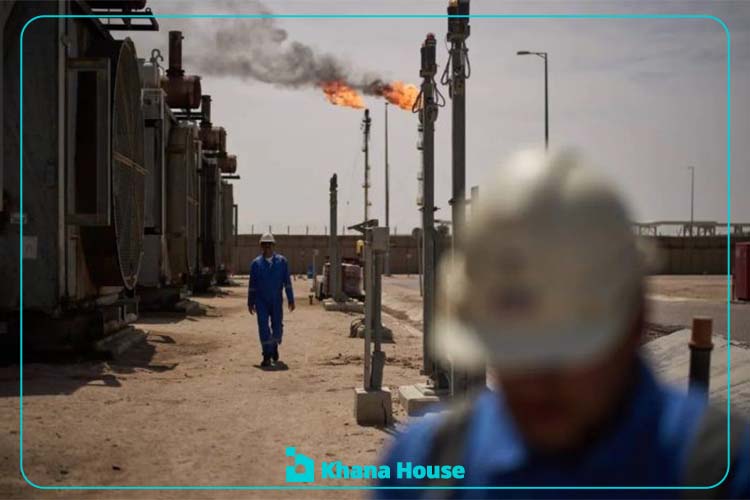
- Key Areas of Iran’s Capabilities: Iran’s capabilities include heavy industries (oil, gas, petrochemical equipment), large-scale civil projects (dams, roads, railways), and extensive engineering, technical, and project management services.
Logic of Turning Threat into Opportunity: From Infrastructure Destruction to Regional Value Network
Widespread infrastructure damage in West Asia is a critical challenge, but also an opportunity for reconstruction to drive economic transformation and regional cooperation.
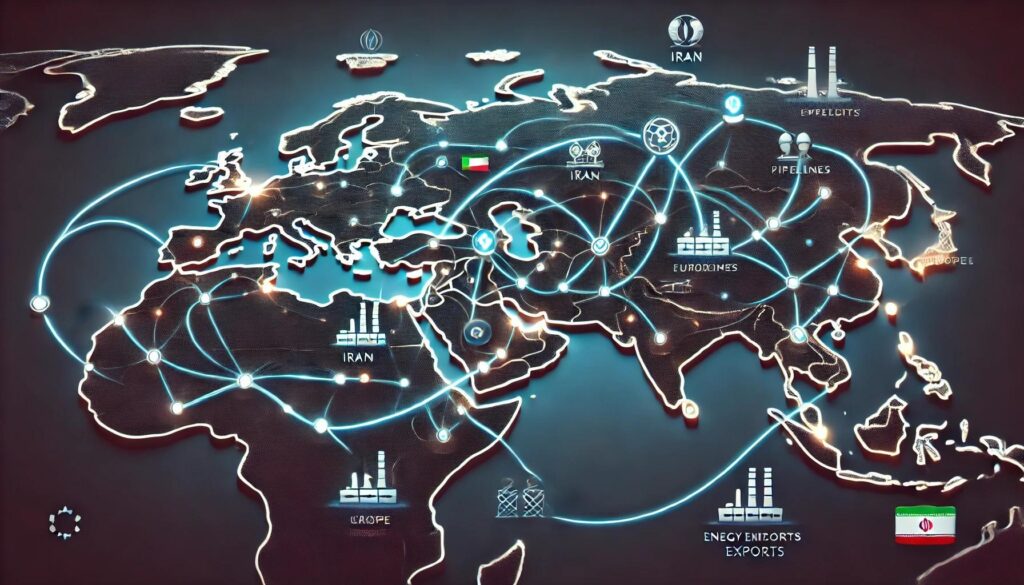
Formation of Regional Value Chains
Regional value chains distribute economic activities among countries, based on their strengths (e.g., equipment, engineering, finance). This creates interdependent networks, boosting efficiency and reducing tensions.
Main Areas of Cooperation: Energy, Transport, Industry, and Technology
Key cooperation areas are energy (primary driver), transport, industry, and technology. The model involves joint projects, financing, and economic participation across these sectors.
This study is conducted at Strategic the Oil and Gas Industry Chain Think Tank (Petropal) in collaboration with Ali Azimifard and Hossein Gholami in 2026.
To read more, Download full paper