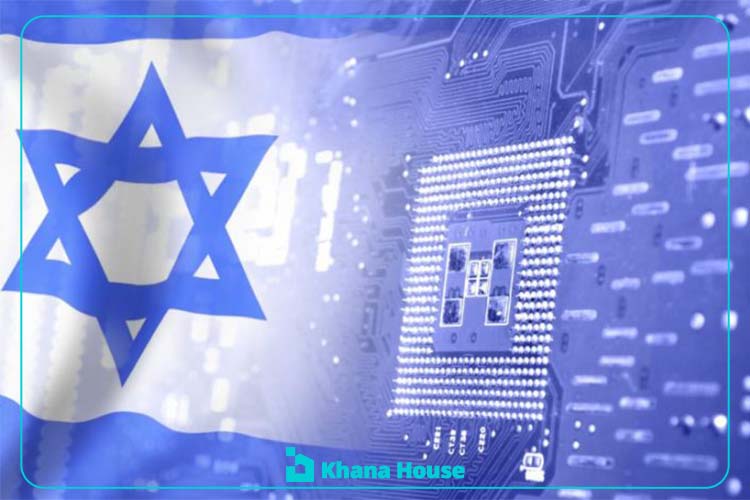
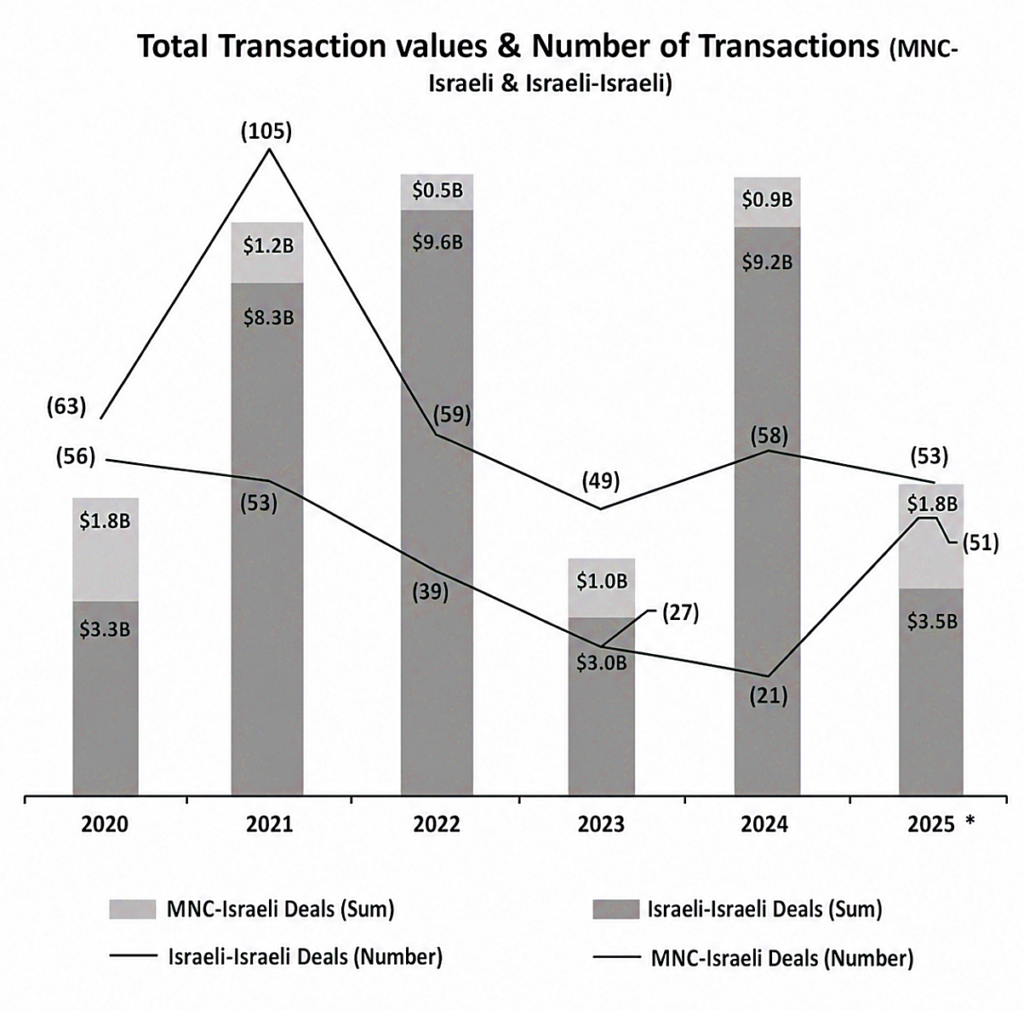
The Israeli technology ecosystem is heavily reliant on multinational corporations (MNCs), with 85% of funding and 91% of transaction value in 2024 coming from foreign sources, making it vulnerable to geopolitical shocks.
Vulnerabilities Exposed by Recent Conflicts
Recent wars have highlighted structural weaknesses, revealing a “silent exit” of projects like Intel’s $25 billion plan and a brain drain driven by security concerns and the regime’s global reputation.
Strategic Divides in the U.S. Tech Sector
The conflict has created divisions within the U.S. tech sector. While military-tech firms benefit from ongoing instability, non-military giants like Google and Amazon are worried about asset safety and supply chain disruptions.
Regional Resource Competition
Western Asia is becoming a battleground for affordable land and energy crucial for data centers and AI supply chains, where instabilities could significantly impact tech giants’ operations.
Deterrence Against U.S. Technology
Establishing deterrence against the American technological influence is vital for resistance. Achieving this requires innovative and asymmetric approaches to counter the support networks that bolster the Israeli tech ecosystem.
This policy note is written by Gharar Think Tank in 2026.
To read more, download full paper