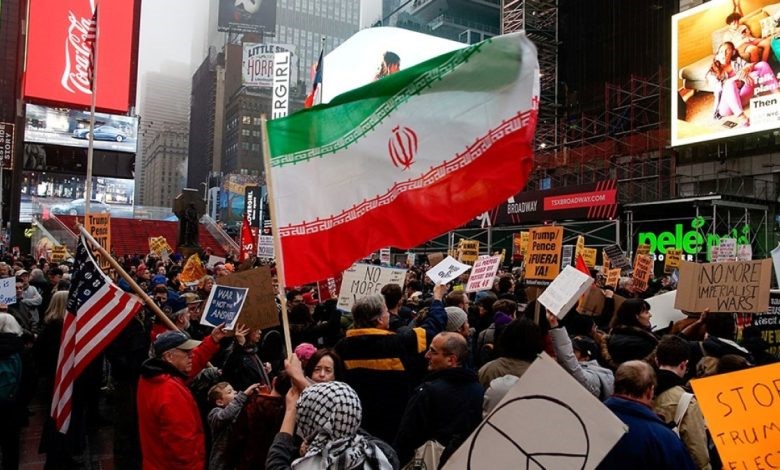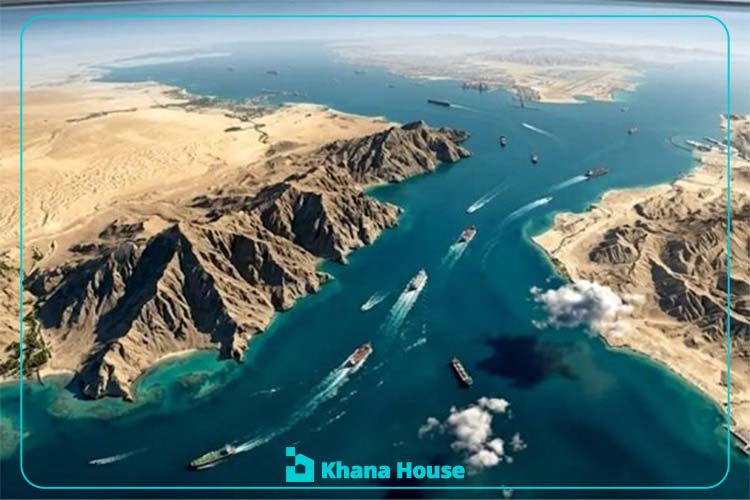
Following the attacks by the U.S. and Israel on Iran, one of Iran’s immediate reactions was closing the Strait of Hormuz. Eventually, Iran allowed the passage of some ships for a fee. The central question is the legal status of the Strait under international law and whether Iran has the right to block the strait or levy fees.
Strait of Hormuz as a Territorial Sea
The territorial sea refers to waters adjacent to a country’s baseline, extending 12 nautical miles. Under international law, the territorial sea is considered part of a nation’s territory, thus deeming the Strait of Hormuz as part of Iran and Oman’s territorial waters.
Innocent Passage and Transit Passage
There’s a debate on how sovereignty over territorial seas should be exercised, particularly regarding foreign vessels. One theory, “innocent passage,” allows states to halt vessels for legitimate security reasons. Conversely, the new norm emphasizes transit passage, which limits states’ rights over passing vessels. Iran has not ratified the 1982 Convention on the Law of the Sea.
Oman’s Position: Supporting the Right of Transit through the Strait of Hormuz
Oman, unlike Iran, has ratified the relevant convention and supports transit passage. However, Iranian naval mines in Omani waters hinder commercial vessels from safely passing, with Iran citing a 1974 agreement with Oman to justify its actions in ensuring security.
Legitimacy of Fee Collection
Both customary rules and the 1982 Convention do not generally permit charges on passing vessels. However, Article 26 allows coastal states to charge for services, suggesting that Iran could justify its fees as compensation for security provided to passing vessels in the Strait.
This study is conducted by Hadi Attarzadeh, researcher of energy’s law in 2026.
To read more, download full paper