An Examination of the Energy Subsidies Allocated to the Steel Industry in 2023 (1402) and Its Resilience Against Subsidy Cuts
Assessing the Energy Subsidies Allocated to the Steel Industry in 2023 (1402)
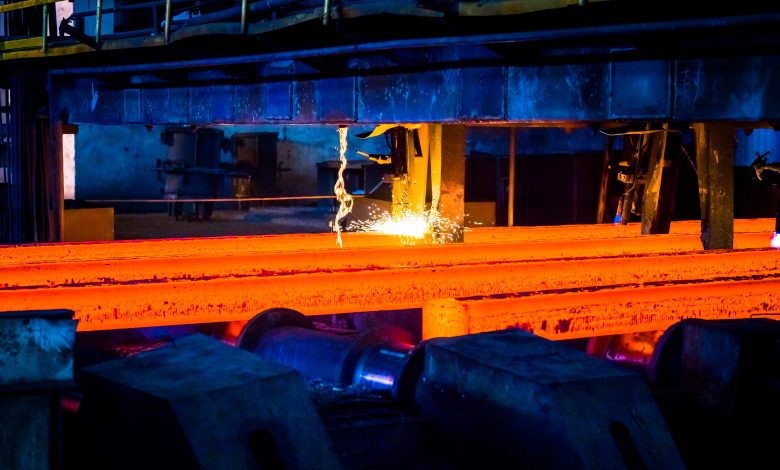
In 2023, steel companies in Iran received over 78% of their electricity costs and around 60% of their gas costs through government subsidies, significantly reducing production expenses and boosting profitability.
Assessing the Efficient Use of Energy Subsidies by the Steel Industry
Energy subsidies significantly reduce production costs in Iran’s steel industry, but their efficient use varies across companies. Mobarakeh and Khorasan Steel achieve high profitability and low energy cost shares due to producing high value-added products, while Khuzestan and Jahan Foolad Sirjan show higher energy intensity with lower-value outputs. Optimizing energy efficiency and focusing on high value-added products can further enhance profitability.
Assessing the Resilience of the Steel Industry to Energy Subsidy Reductions
Mobarakeh and Khorasan Steel exhibit high resilience to energy cost increases, maintaining profitability even under substantial subsidy cuts, while Khuzestan and Jahan Foolad Sirjan are more vulnerable, emphasizing the need for targeted management strategies.
Policy Recommendations
Gradually adjusting energy tariffs, implementing smart subsidy policies, and promoting downstream steel industries can significantly enhance energy efficiency and value creation in Iran’s steel sector.
This study was conducted at Technology Studies Institute by Emad Pourmohammad in 2024.
To read more, click here