International Affairs

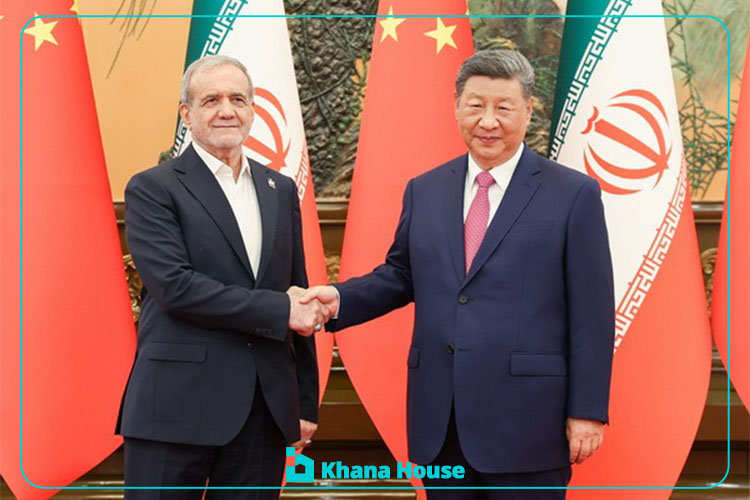
Iran China Economic Diplomacy Framework

Iran and China Economic Diplomacy Framework

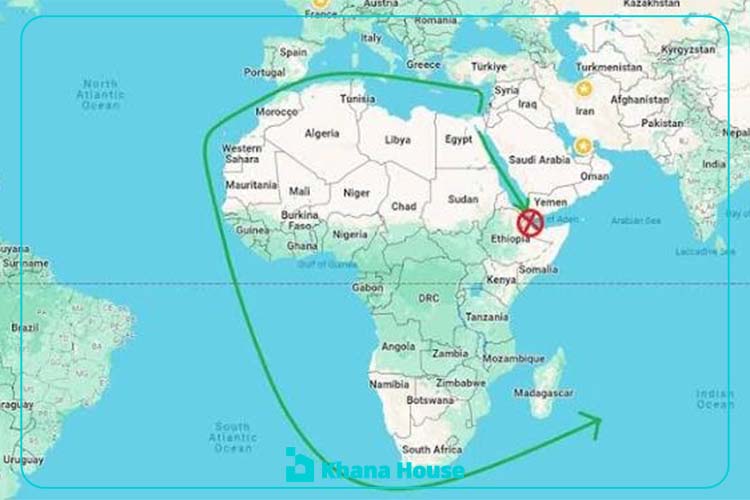
Iran seeks to reduce dependence on maritime routes by activating the Gwadar–Gabd corridor through Pakistan, expanding use of the China–Central Asia–Iran railway network, and accelerating completion of the Chabahar–Zahedan railway to secure the flow of essential goods. Yuan Based Trade and Financing The strategy emphasizes greater use of the Chinese yuan, expansion of oil-for-goods arrangements, […]

Iran and China Economic Diplomacy Framework Read More »

From the Nixon Shock to the Hormuz Strait Shock

From the Nixon Shock to the Strait of Hormuz Shock

Seyyed Rouhollah Ahmadi, Ph.D. in Financial Economics, argues that the US financial hegemony is now facing a historic challenge due to geopolitical shifts and the rise of emerging powers. In 1971, Nixon shocked the world by ending the dollar-gold convertibility. This crucial move saved the US economy from potential collapse, ensuring the dollar’s global dominance

From the Nixon Shock to the Strait of Hormuz Shock Read More »

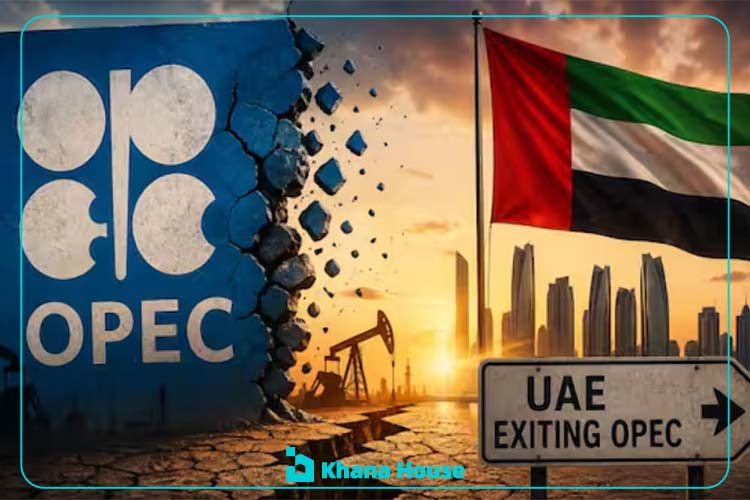
UAE's Exit from OPEC

UAE’s Exit from OPEC, in Service of the American-Zionist Axis

OPEC was established in September 1960 in Baghdad to unite oil-producing countries against major Western oil companies and regain control over their national resources. In recent years, particularly after the rise of shale oil production in the U.S., OPEC’s power to manage prices has diminished due to increased supply from non-member producers. To address this,

UAE’s Exit from OPEC, in Service of the American-Zionist Axis Read More »

Negotiation with the U.S.

Possibility of Rearchitecting the Negotiating Table with the United States

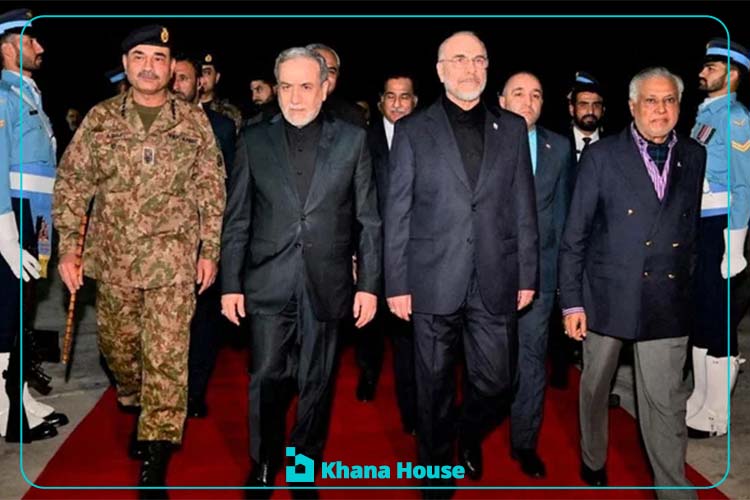
In light of Abbas Araqchi’s upcoming visit to Moscow and his meeting with Putin, it is essential to address the challenges facing Iran’s diplomatic strategy. The current negotiations in Islamabad are likely headed toward a deadlock, primarily due to Pakistan’s shifting priorities and its alignment with U.S. interests. Iran must establish a negotiation framework that

Possibility of Rearchitecting the Negotiating Table with the United States Read More »

United Arab Emirates and Iran's Security

United Arab Emirates; Threat to Iran’s Economic Security

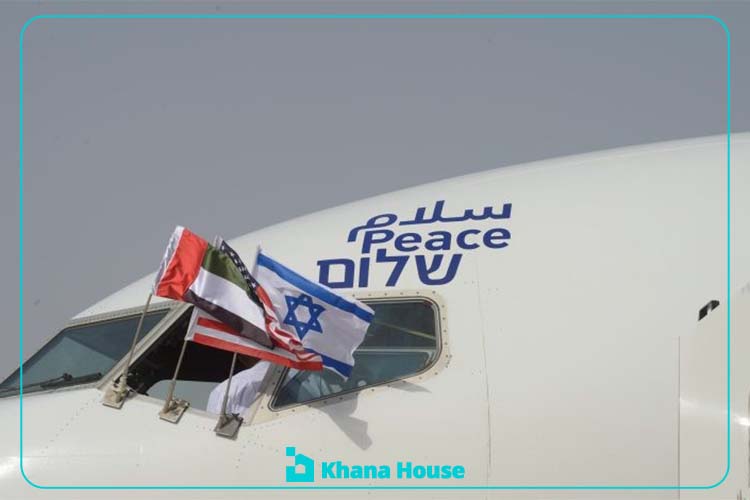
The United Arab Emirates (UAE) serves as a crucial economic and financial hub in the Persian Gulf, playing a significant role in the political and economic landscape of the Middle East. With its strong financial infrastructure and strategic location, the UAE functions not only as a trading partner for Iran but also wields substantial influence

United Arab Emirates; Threat to Iran’s Economic Security Read More »

closing the Strait of Hormuz

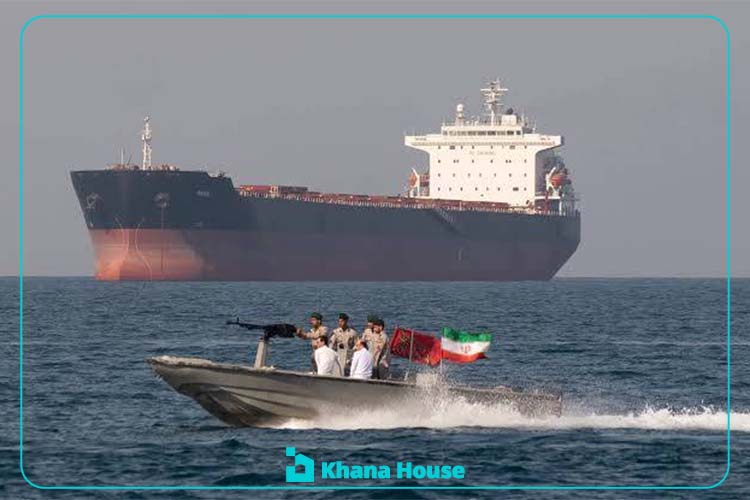
The Losers of Closing the Strait of Hormuz in a Long-Term Scenario

A report from Oxford Economics predicts that a prolonged U.S. military conflict with Iran, resulting in a six-month closure of the Strait of Hormuz and intensified attacks on energy infrastructure, could trigger a global industrial recession. World economic growth could plummet to 0.6% by 2026, the worst performance since COVID-19.  This scenario demonstrates that military

The Losers of Closing the Strait of Hormuz in a Long-Term Scenario Read More »

Saudi and Pakistan

Saudi and the Puzzle of Pakistan’s Dependency

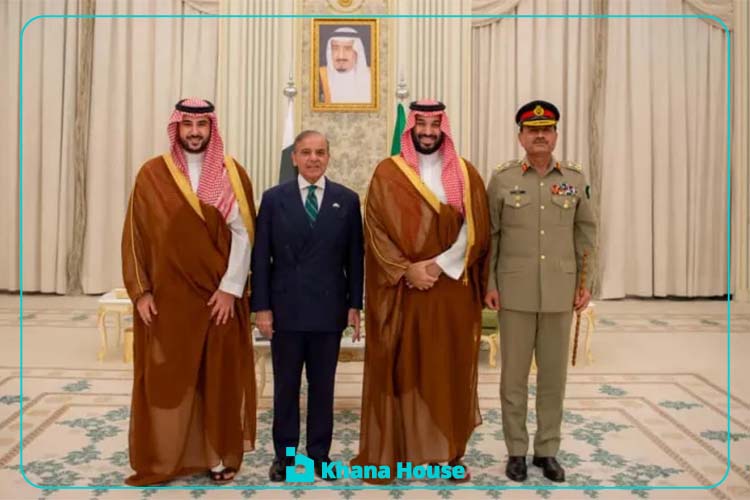
Pakistan’s current behavior towards Persian Gulf Arab countries cannot be analyzed through a simple dependent-independent lens. Instead, Pakistan finds itself entangled in a “three-layered strategic dependency” puzzle: These intertwined layers make the cost of severing ties with the financial-security network of Saudi Arabia significantly higher than the cost of maintaining conditional dependency. The Buyback of

Saudi and the Puzzle of Pakistan’s Dependency Read More »

Iran and U.S. Ceasefire

A Reflection on a Point Regarding the Iran and U.S. Ceasefire

Since the announcement of the two-week ceasefire between Tehran and Washington, various analyses have emerged regarding its nature and the future of developments. Generally, in recent hours, three points have raised some ambiguities and concerns about this ceasefire: Maintaining Strategic Leverage Iran retains strategic leverage despite the ceasefire, including control over the Strait of Hormuz

A Reflection on a Point Regarding the Iran and U.S. Ceasefire Read More »

Iran's Ceasefire Before Deterrence

Iran’s Ceasefire Before Deterrence Point: Risks of Becoming Iraq

As more than month has passed since the of the third imposed war against Iran, a natural question arises: How long will be the continuation of this war? Military equipment, logistical and financial weaknesses do not lead to defeat. Historical analytics have shown that the resistance and steadfastness of the weaker party can, with effective

Iran’s Ceasefire Before Deterrence Point: Risks of Becoming Iraq Read More »