An Account of the Dysfunctional Mechanism of Article 12 of the Law on Removing Production Barriers in Power Plant Projects, and a Reform Proposal
Abstract
Until the implementation of the Targeted Subsidies Law and the issuance of the General Policies for Consumption Pattern Reform in the late 2000s (1380s in the Iranian calendar), most policies related to energy efficiency projects followed one of two approaches: either obligating the government to directly carry out optimization projects, or supporting private sector involvement through budget allocations sourced from increased energy prices, internal revenues of state-owned energy companies, and the sale of government assets. Alongside experience with these traditional approaches, the ratification of Article 12 of the Law on Removing Production Barriers in 2015 and the approval of the Energy Optimization Market framework in 2017 introduced two new strategies. These were expected to shift the government’s role and establish a new financial system, creating better opportunities for private sector engagement in energy efficiency. However, it appears that—at least in the field of electricity generation—this goal has not been achieved.
In this article you read about:
Article 12 of the Law on Removing Production Barriers: Since its approval, projects worth $116 billion have been launched under Article 12—$105B in oil and gas, $11B in industry and mining, and $700M in the power sector.
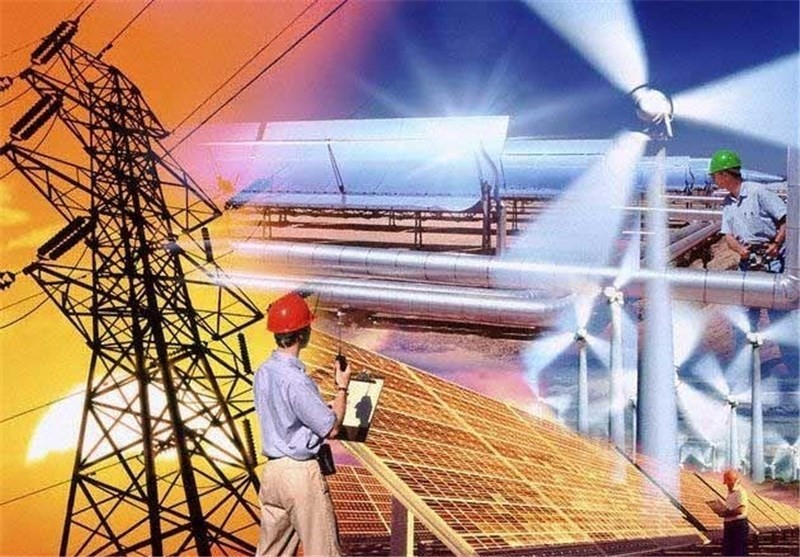
Oil, Gas, and Power Sector Projects: Upstream oil and gas projects, especially in South Pars, and nationwide gas distribution plans have been implemented. In the power sector, efficiency upgrades and combined-cycle conversions of thermal power plants are underway, supported by private investment and aimed at fuel savings.
Energy Efficiency and Conservation Projects: Under Article 12, nine energy efficiency projects in transport, buildings, and industry are expected to save 67 billion liters of liquid fuel, 26 billion m³ of natural gas, and cut 151 million tons of CO₂ emissions.
Challenges and Issues: Article 12 has funded less than 1% of the approved $31 billion in energy projects. Key challenges include poor coordination, lack of financial structures, slow repayment cycles, and investor concerns, slowing project progress.
Proposed Model: The proposal suggests removing the government from the investment cost settlement cycle and repaying costs by selling saved fuel (as savings certificates) to industrial consumers. This would shift the financial flow from the government budget to a B2B model. Fuel savings would be effective only if high-consumption users cover the costs, as continued consumption growth could nullify the savings.
This study was conducted at The Research Institute for Science, Technology and Industry Policy in collaboration with Mohammadreza Kasiri, Saeid Tahmasebi Ashtiani, Seyed Hamed Tavangar and Mohsen Momghani in 2023 on the commission of the Syndicate of Power Producers.
To read more, click here