Iranian Steel and Mining Industries Think Tank
Current Situation — An Industry Under Siege
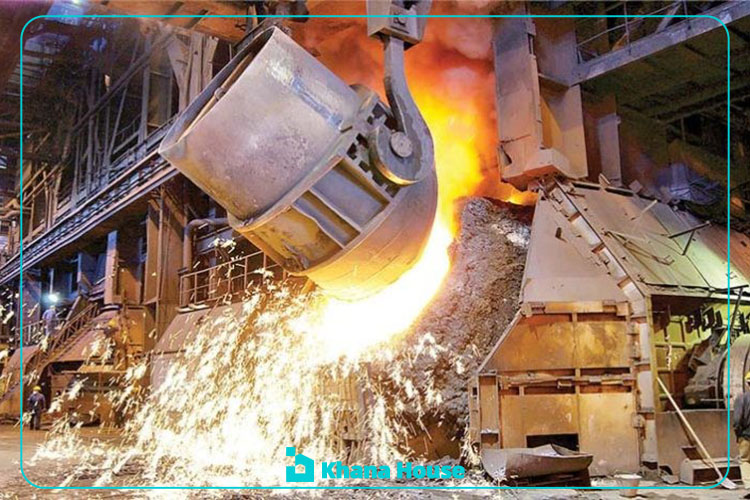
Iran’s steel industry faces a supply-chain crisis driven by energy shortages, economic sanctions, and regional conflict.
- Energy crisis: Power and gas shortages have reduced capacity utilization from 85% to below 55%.
- Liquidity pressure: Production shutdowns, emergency repairs, and rising bank debt are draining working capital.
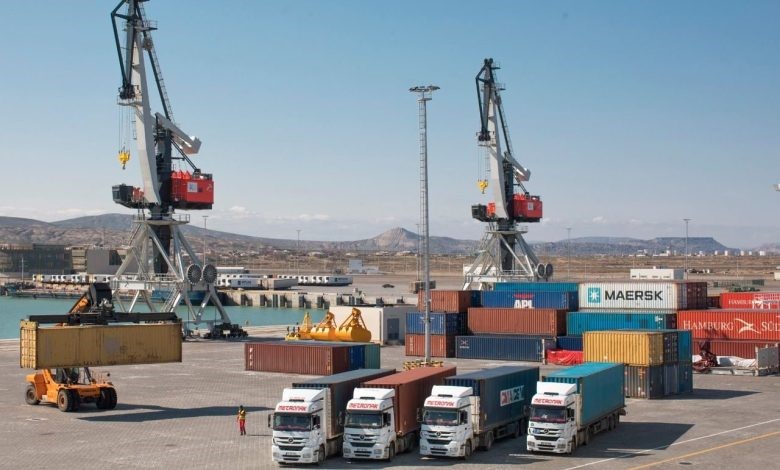
- Logistics shock: Security risks around Bandar Abbas and a reported 300% rise in cargo insurance costs are disrupting exports.
- Financial isolation: Sanctions have severely restricted payment channels and export-revenue repatriation.
- Brain drain: Insecurity and economic pressure are accelerating the loss of skilled technical staff.
Iran Steel Industry Two-Year Outlook: 2027–2028
- Collapse of the Cheap-Gas Model: Gas shortages could undermine Iran’s DRI-based steel model and disrupt production.
- Export Market Shift: Pressure from the U.S. and China could push exports from large-scale trade toward smaller, riskier gray markets.
- Falling Domestic Demand: Stagflation and weaker construction activity could cut domestic steel demand by another 30%, increasing financial losses.
Emergency Survival & Development Plan
Emergency Energy Self-Sufficiency
Steelmakers should reduce dependence on the state electricity and gas supply through waste-heat recovery, alternative gas sources, and prioritizing direct-reduction units over inefficient blast furnaces.
Diversified Export Logistics
Iran should reduce reliance on vulnerable ports and routes by developing alternative ports, overland corridors, and flexible trade arrangements to maintain exports during disruptions.
Shift to “Survival Steel”
Production should focus on rebar, light beams, and other products needed for rapid construction and post-war reconstruction, while developing domestic capacity for critical inputs such as graphite electrodes and specialized refractories.
Parallel Economic Diplomacy
Steel producers should take a more active role in regional economic diplomacy through cooperation with major MENA producers and strategic barter arrangements with Russia, particularly exchanging Iranian steel products for essential raw materials such as coking coal.
Executive Summary
Iran’s steel industry faces an urgent survival crisis caused by energy shortages and war-related logistics disruptions. Immediate priorities include waste-heat power generation and small-scale LNG imports, while exports should shift to Chabahar and smaller ports. Strategically, Iran should barter sponge iron for Russian coking coal, focus on lightweight steel products, and retain skilled workers through foreign-currency payments and a survival consortium.
To read more, download full paper