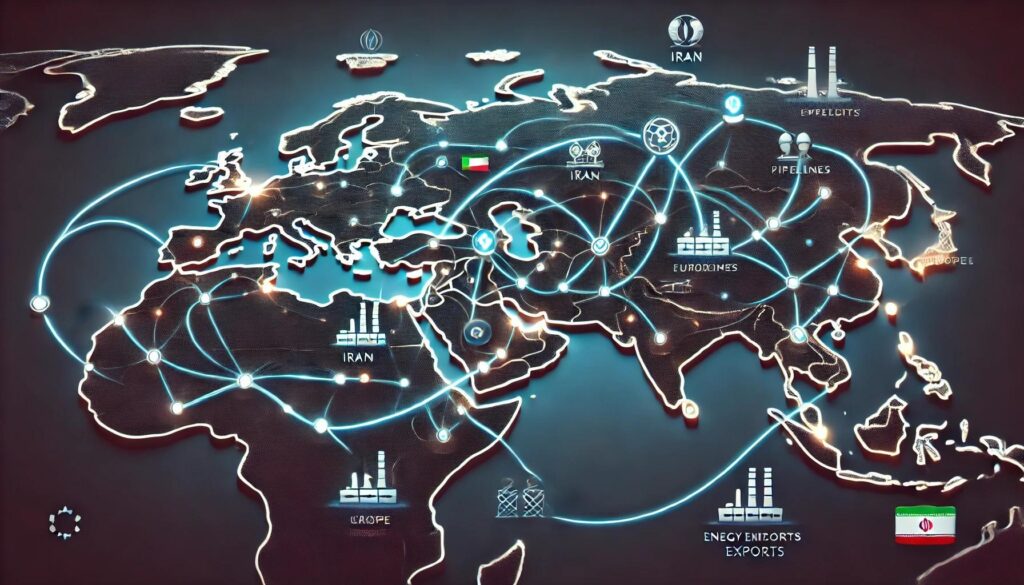
A Review of Energy Optimization Tools in the European Union and Strategies to Strengthen Energy Efficiency in Iran
Energy is one of the most important factors for economic and social development in today’s world, playing a vital role in industrial advancement, improving quality of life, and supporting national infrastructures. With population growth and the rapid development of technologies, the demand for energy resources has increased significantly. Therefore, optimal energy management and efficiency have become a fundamental priority for societies. Reducing energy waste, utilizing modern technologies, and adopting effective policies can help preserve limited resources and ensure sustainable development. In this regard, the experiences of different countries in energy optimization provide a valuable opportunity for learning and benchmarking.
Review of Energy Efficiency Tools and Pathways
Energy efficiency tools are either government-intervention-based or market-based. Intervention tools include financial incentives, regulations, and awareness campaigns to directly manage consumption. Market-based tools, such as white certificate trading, carbon markets, and renewable energy certificates, create incentives for investment and trading, promoting energy savings and efficiency.
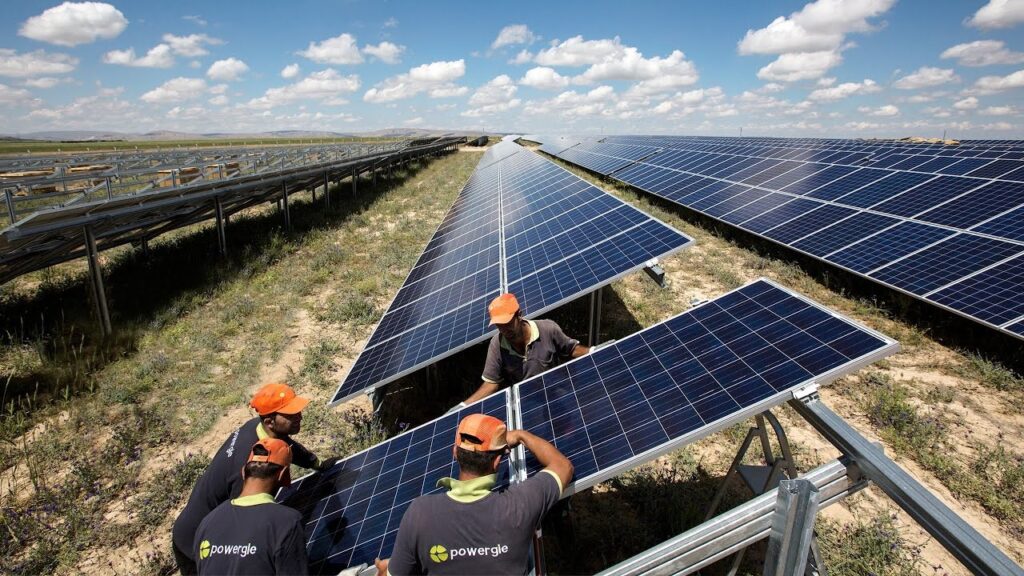
Review of Energy Optimization Policies and Measures in the European Union
Energy efficiency plays a crucial role in improving the economy, enhancing energy security, and reducing greenhouse gas emissions. To achieve this, the European Union employs various policies and instruments;
- Intervention Based Tools (Direct Government Actions)
Government incentives, standards, labeling, and building policies drive energy savings and reduce emissions.
- Market Based Tools (Non Intervention Tools)
Market mechanisms like white certificates, carbon trading, and renewable energy certificates incentivize efficiency, clean energy adoption, and emission reduction.
Enhancing Energy Efficiency in Iran by Leveraging EU Experience
Iran can enhance energy efficiency by learning from EU practices: transparent markets, accelerated certificate issuance, realistic targets, compliance mechanisms, and policy revisions. Combining financial incentives, building regulations, support for low-consumption products, and market-based tools can reduce energy use and emissions effectively.
This study was conducted at Iran’s Energy and Resource Governance Institute by Yegane Sadat Tahami in 2024.
To read more, Download the Full Paper