An Overview of the 1404 Budget Framework, the Economic Policies Embedded in the Budget Document, and Its Strengths and Weaknesses
Abstract
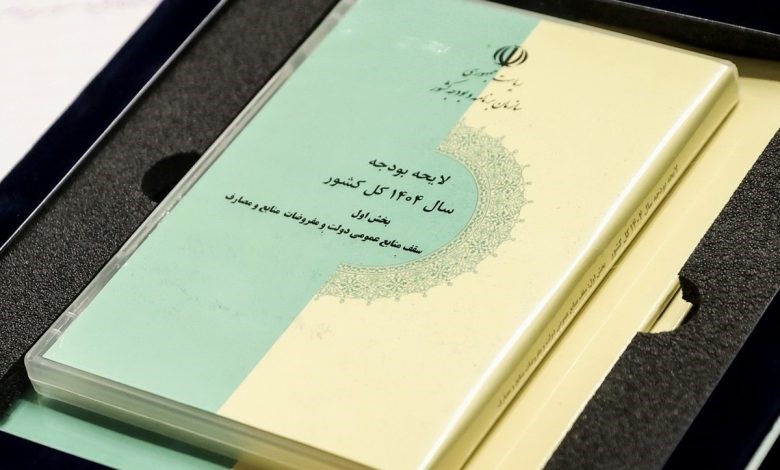
The 1404 Budget Bill is the first budget proposal under the new administration and parliament, and effectively serves as the second-year budget of the Seventh Development Plan. An analysis of the 1404 budget indicates that the scope of public revenues and expenditures in this bill has undergone relatively significant changes compared to previous years, making direct comparison with the 1403 financial law and actual government performance difficult. Although the budget document appears to primarily reflect the government’s financial indicators, it can also serve as a point of convergence for monetary, foreign exchange, trade, and welfare policies, and can influence the broader economy. Therefore, coordination and alignment among these policies can play a critical role in managing key economic variables.
In this article you read about:
Overview of the Budget Framework
The 1404 budget bill, for the first time, incorporated three major items previously only noted in appendices into the main budget figures: targeted subsidy resources, oil allocated to the armed forces, and repayment of Social Security Organization debt. Public budget resources slightly decreased compared to the previous year, while resources from state-owned companies increased. The budget for state-owned enterprises grew by 47%, exceeding inflation, and public resources also saw significant growth.
Policy-Making in the Budget
The 1404 budget reflects the government’s economic policies, focusing on boosting revenues, managing spending and deficits, controlling inflation, aligning exchange rates, supporting trade, and maintaining social welfare through subsidies and pension increases.
Strengths and Weaknesses of the 1404 Budget Bill
Strengths:
- Increased transparency and integration in the budget document
- Alignment with the provisions of the Seventh Development Plan
- Gradual increase in the preferential exchange rate
Weaknesses:
- No increase in the rial coefficient of the minimum wage in line with inflation
- Increased share of oil revenues in the budget, continuing dependence on unstable oil income
- Reduced share of the National Development Fund from oil revenues
This study was conducted at Economic Affairs Research Institute in collaboration with Maryam Heydarian, Zahra Zamen Ghadirli and Iman Rafiei in 2024.
To read more, click here