In today’s world, where economic interactions play a significant role in international relations, economic sanctions have emerged as a strategic tool in political and economic competition. However, the impact of sanctions on countries varies and is influenced by the structure of their exports and their level of dependency on global markets. A precise examination of these factors, along with identifying strengths and weaknesses in the face of sanctions, can help enhance a country’s economic resilience. Therefore, providing an analysis of the nation’s vulnerability to sanctions and strategies to reduce it is essential, so that policymakers can make more effective decisions to maintain economic stability by relying on reliable data.
Examining the Causes of Countries’ Sanction Vulnerability
Sanctions work best when the target country relies on easily replaceable, commodity-based exports and when the sender coalition controls key financial, logistical, and technological networks. In contrast, knowledge-based and high-tech sectors are harder to sanction, and although sanctions reliably cause short-term economic damage, their political success remains uncertain.
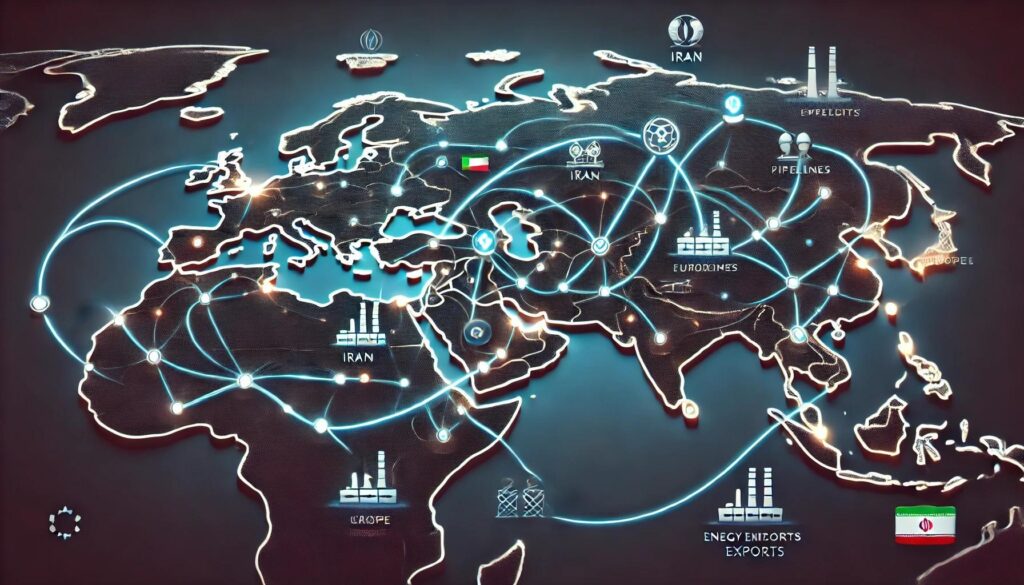
Iran’s Baseline Structure (Oil / Petrochemicals / Mining)
Iran’s reliance on easily replaceable oil, petrochemical, and mineral exports makes it highly vulnerable to sanctions. Shifting toward complex, technology-based products and knowledge services can reduce this vulnerability and increase economic resilience.
A Roadmap for Iran’s Transition from Substitutable Commodities to Technology Driven Trade and Knowledge Based Services
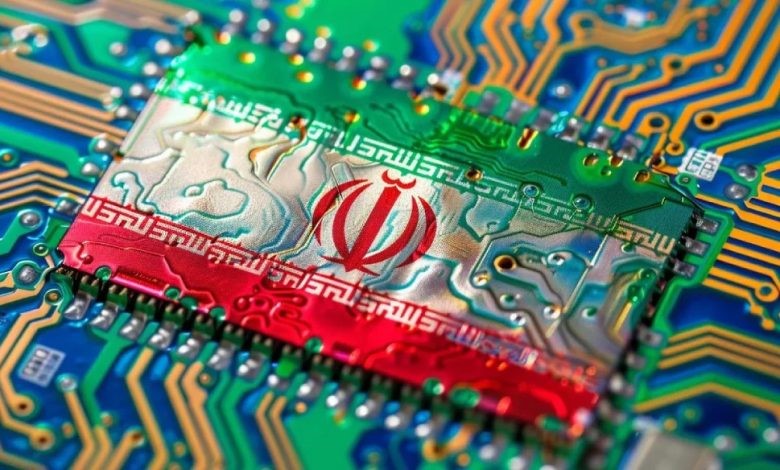
This roadmap argues that Iran can reduce its sanction vulnerability by transitioning from easily substitutable commodities to complex, standardized products and knowledge based services supported by strong contracts and international standards. Producing standardized electronic boards and expanding B2B, engineering, and digital services are key steps toward building a resilient, technology-driven export structure.
The Role of Electronic Products, Artificial Intelligence, and University Industry Linkages in Reducing Sanction Vulnerability
Developing complex electronic and AI-based products reduces Iran’s sanction vulnerability by creating high-value, low-substitutability exports supported by engineering and technical services. Strengthening university–industry collaboration and retaining domestic talent further boosts innovation capacity and embeds Iran more firmly in global value chains.
This study was conducted at Rasha ThinkTank by Mohammad Nasiri in 2025.
To read the full version of this research paper, Download the full text