Stakeholder Analysis and Development of Communication Strategies for Tourism Development of the Takht-e Foolad Historical Complex in Isfahan
Abstract
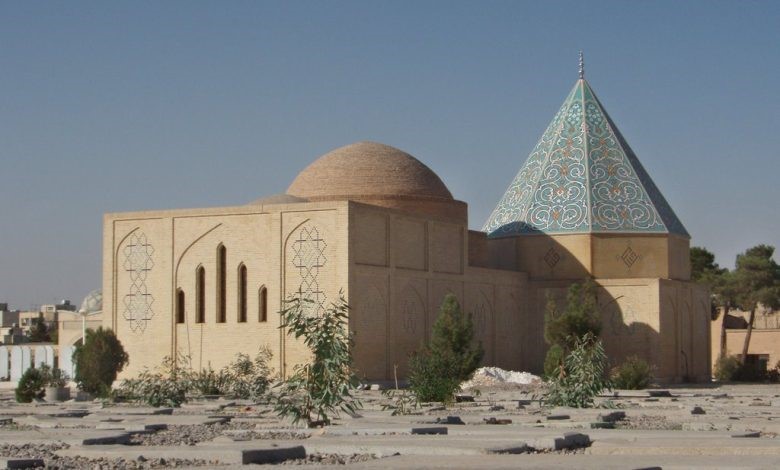
Urban development is a complex process whose success largely depends on understanding and engaging with the various groups involved. Each development project, depending on its specific characteristics, can have diverse and varying impacts on stakeholders. The Takht-e Foolad complex in Isfahan is one of the sites with significant potential for tourism development. Therefore, identifying stakeholders — including staff, local communities, organizations, and governmental institutions — is crucial in transforming this complex into a tourism site. Such understanding helps managers design appropriate strategies for participation and collaboration, taking into account mutual interests and impacts. This approach plays an important role in achieving the goals of sustainable tourism development and enhancing the cultural value of the site.
In this article you read about:
Stakeholder Analysis in the Tourism Development of the Historical, Cultural, and Religious Complex of Takht-e Foolad
Tourism development at Takht-e Foolad involves several influential stakeholders, each with distinct roles, interests, and levels of power:
- Security Agencies – Organizations like the IRGC Intelligence and Ministry of Intelligence closely monitor all activities due to the site’s religious sensitivity. Their approval is often required for public or tourism-related events, making them key decision-makers.
- Municipality – As the primary executive authority, the municipality plays a leading role due to its financial and operational capabilities. It views the site as a source of ongoing financial and reputational gain.
- Religious Leaders – Influential figures such as senior clerics have strong religious authority. They often shape public discourse and may oppose tourism initiatives if perceived to conflict with the site’s spiritual character.
- Mosalla Management – The management of the nearby prayer complex holds both symbolic and financial power, benefiting from its proximity to Takht-e Foolad and exerting influence in urban planning decisions.
- Foundation of Martyrs and Veterans Affairs – This organization controls Golestan-e Shohada and seeks to expand its area. Its influence is localized but impactful, focusing mainly on commemorative and symbolic interests.
These stakeholders significantly affect tourism planning and must be considered in strategies for sustainable development and cultural preservation.
Designing a Stakeholder Engagement Framework for the Historical, Cultural, and Religious Complex of Takht-e Foulad
An analysis of stakeholders involved in the Takht-e Foulad historical, cultural, and religious complex reveals that some groups are not in appropriate positions. To address this challenge, tailored communication strategies have been designed based on higher-level policy goals. These transitional strategies aim to reposition stakeholders within the power-interest matrix while minimizing conflict.
The communication strategies include:
- Avoidance: For stakeholders with high power and interest but minimal involvement in tourism; the goal is to maintain stable, low-tension relations.
- Empowerment: For stakeholders with potential who are not currently key players; the goal is to increase their influence and benefits.
- Stabilization: For stakeholders with a strong current position; the goal is to preserve their favorable status.
- Minimal Engagement: For low-power, low-interest groups who may gain relevance in the future; the goal is basic awareness-building.
Developing Communication Strategies for Stakeholder Groups of the Takht-e Foulad Complex
Security Organizations: Avoidance strategy – Inform and gather feedback on tourism development.
Municipality: Stabilization strategy – Inform and involve municipal departments in development efforts.
Influential Individuals: Avoidance strategy – Provide updates and persuade them of the importance of tourism.
Isfahan Mosalla Management: Minimal engagement strategy – Share information and seek cooperation.
Foundation of Martyrs and Veterans Affairs: Minimal engagement strategy – Inform about tourism-related activities.
This study was conducted at Tourism and Creative Industry Thinktank Commissioned by the Isfahan Municipality, this project was carried out in collaboration with Mehri Shahzeidi, Erfan Alizadeh, Shaghayegh Nasiri, and Abbas Kiani.
To read more, click here