Introduction to the Capacities of the President’s Special Representative, Challenges, and Solutions for Utilizing Them
Abstract
The special representative is one of the tools used in various forms and methods in the world. For example, in the United States, the president and minister of foreign affairs, with the president’s approval, can appoint a special representative at their discretion in certain cases, including crisis management, conflicts, negotiations, participation in international conferences, focusing and coordinating efforts to resolve specific issues, implementing a particular document or law, signing agreements or memorandums of understanding, and even overseeing the execution of a specific matter.
In this article you read about:
The Rationale for Using a Special Representative and Its Applications, Including
1.Coordinating executive agencies on a specific issue
2.Creating focus on important and key issues that do not fall under the primary responsibilities of any existing organizations
3.Advancing problem-solving in cases where the responsible agency lacks the capacity or ability to implement a solution, or when the bureaucratic structure of the organization resists the implementation of the solution
Requirements for the Special Mission Mechanism, including:
1.Time-bound
2.Issue-focused
3.Having sufficient authority and influence to make an impact
Challenges for the Special Mission, including:
1.The potential for large-scale corruption due to a significant increase in powers
2.Incorrect and hasty implementation due to having special authorities
3.The tendency to establish long-term entrenchment or permanence
Areas where the special representative can be utilized:
1.Special Neighborhood Policy
2.Housing Construction
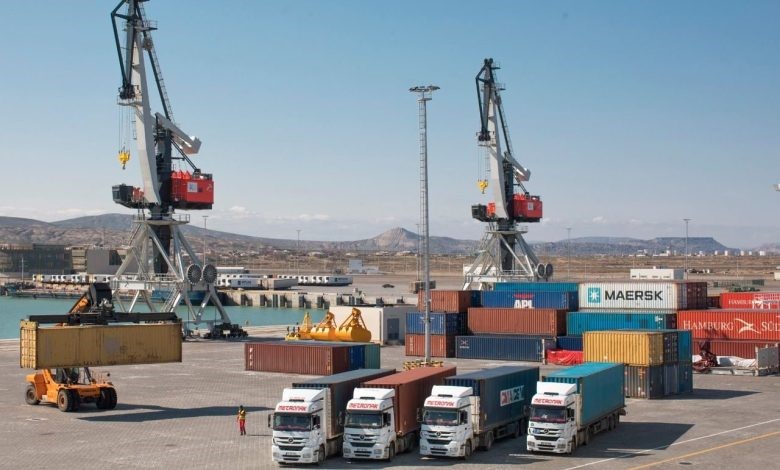
3.Transit, and Rail Transport
This study was conducted at Saman Soft Governance Design Center in collaboration with Mojtaba Saffari Nia, Hamed Sarvari and Nima Arab Hosseini in 2021.
To read more, click here