An analytical note by Sahab Think Tank on the new U.S. project aimed at exerting soft power among Iraqi youth and adolescents, considering the weaknesses of the country’s educational system
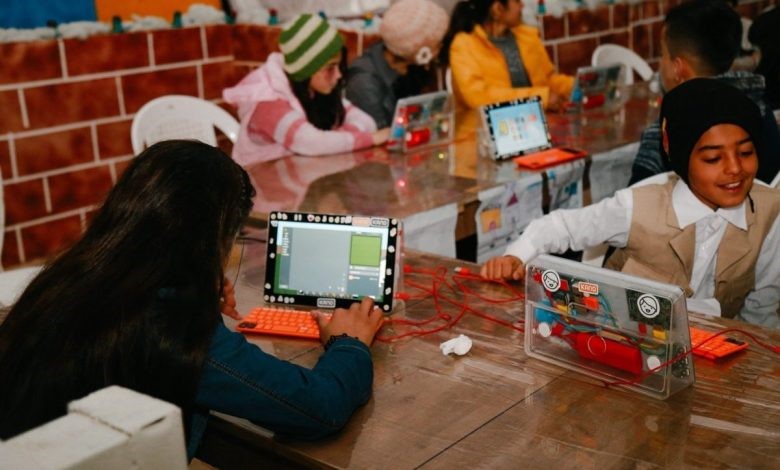
The United States is leveraging non-governmental organizations like World Learning to expand its influence in Iraq, taking advantage of gaps in the country’s educational system. Despite challenging security and social conditions, these programs have successfully educated thousands of Iraqi youth through high-quality, experiential learning. This hands-on approach not only enhances practical skills but also subtly advances U.S. strategic objectives in the region.
The stages of this educational model are as follows
Experiential learning involves five key stages: gaining experience independently, sharing outcomes with peers, analyzing results to identify strengths and weaknesses, generalizing lessons into applicable principles, and applying these principles to solve similar problems.
The Appeal of Experiential Learning and Its Impact on Iraqi Students
Experiential learning programs supported by the U.S. attract Iraqi students by addressing gaps in their educational system and providing valuable skills and certifications. Beyond education, these programs subtly expose students to American values and methods, potentially influencing their attitudes and fostering cultural and intellectual dependence on the U.S.
Hidden Objectives of U.S. Investment in Education
While experiential learning is presented as a modern and effective educational method, the U.S. uses it strategically to influence Iraqi youth. Its hidden objectives include shaping pro-American elites, weakening cultural and national identity, creating social networks aligned with U.S. interests, and fostering a positive image of the U.S. among the next generation. If unchecked, this approach can become a tool of soft power, advancing U.S. influence in Iraq and potentially turning Iraq into a stage of strategic concern for the Islamic Republic of Iran.
This study was conducted at Sahab Thinktank in 2025.
To read more, click here