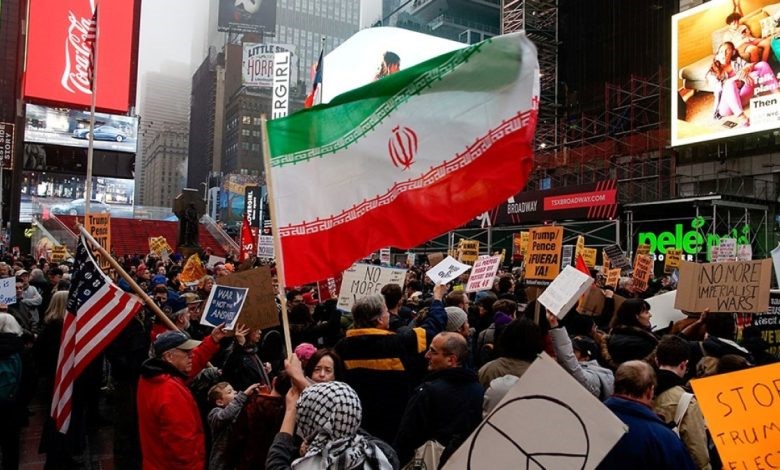
The relationship between artificial intelligence and religious democracy is becoming increasingly significant as AI transforms political, economic, and social systems. Within Iran’s model of religious democracy—where Islamic principles are integrated with democratic participation—AI presents both major opportunities and complex governance risks. This study by the Parliamentary Research Center analyzes how artificial intelligence influences core values such as justice, transparency, rule of law, political equality, freedom, and citizen participation.
AI can enhance data-driven decision-making, improve policy implementation, strengthen legal interpretation through analysis of Islamic jurisprudence, and reduce human bias in governance processes. It can also foster digital independence by promoting domestic AI development aligned with national and religious values.
Challenges of Artificial Intelligence for Democracy
Despite its advantages, the impact of artificial intelligence on religious democracy raises serious concerns;
- Algorithmic manipulation and micro-targeting can influence political opinions and voter behavior.
- Privacy violations and large-scale data surveillance threaten civil liberties.
- Filter bubbles and echo chambers intensify polarization and weaken deliberative participation.
- Deepfakes and AI-generated misinformation undermine public trust and distort informed decision-making.
- Additionally, dependence on foreign AI technologies may compromise national sovereignty.
To mitigate these risks, comprehensive ethical frameworks, transparent regulatory mechanisms, inclusive AI design, strong data protection laws, and public AI literacy programs are essential to ensure alignment with democratic and religious principles.
This study is conducted at Islamic Parliament Research Center Of The Islamic Republic Of IRAN by Alireza Safarpour in 2026.
To read more, Download the full paper