By Ghasem Safaei Nejad, Media Researcher
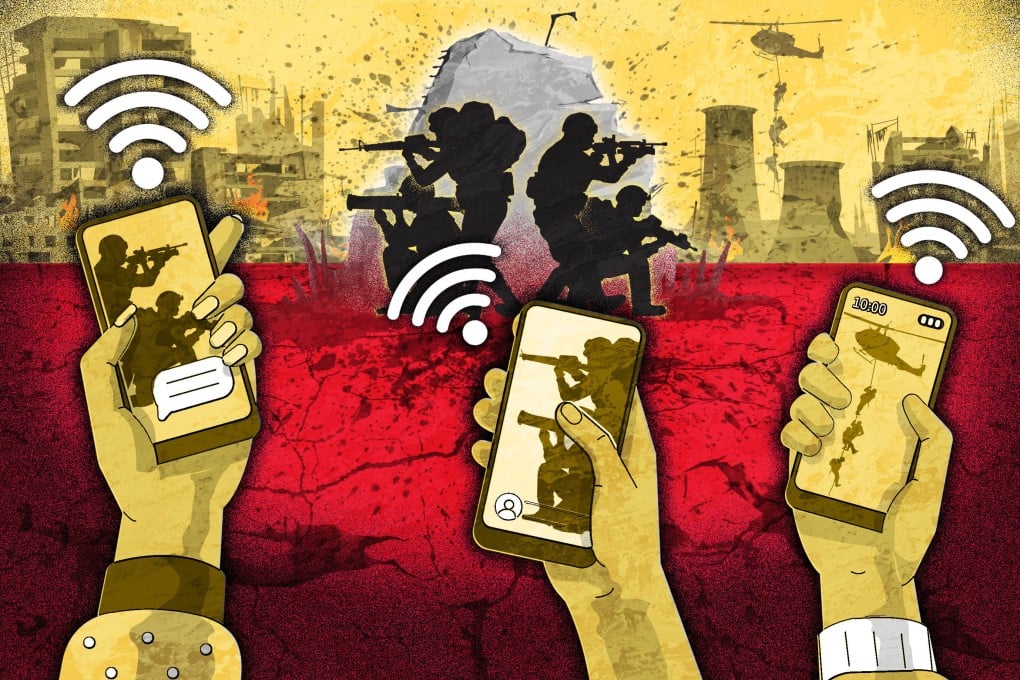
In modern political and military conflicts, the battlefield is not only physical—it also unfolds in the digital space. Alongside missiles and tanks, hashtags, images, and crafted narratives become powerful tools in a hidden yet decisive front: the war of perception. This media warfare plays a critical role in shaping public opinion and controlling the narrative.
Drawing on the experience of the perceptual battle between Iran and Israel, four key digital tools have been instrumental in engineering narratives:
Layered Hashtagging: Engineering Public Opinion through Digital Tagging
During military or political crises, reactions on social media are often orchestrated according to pre-established scenarios. Hashtags serve different functions in this strategy:
- Official hashtags help legitimize actions.
- Emotional hashtags aim to stir public sentiment.
- News-related hashtags ensure visibility in trending discussions.
Whichever side can deploy and manage these hashtags faster and more strategically gains an edge in shaping the overall narrative.
Live Streaming: Compressing Time, Shaping Reality
Live video coverage from conflict zones became a potent storytelling mechanism. It minimized the delay between events and public exposure, often bypassing verification processes. Whoever shared footage first had the power to shape public perception, influencing emotions and understanding before the facts fully emerged.
Deepfake and Synthetic Media: Playing with Visual and Audio Reality
With advancements in AI, deepfakes and synthetic media emerged as new tools in the perceptual arsenal. These technologies allowed for the creation of hyper-realistic fake videos, images, and voices, making it possible to fabricate events and manipulate reality to serve a specific narrative or discredit the opposing side.
Emotional Botnets: Engineering Sentiment in the Virtual Arena
Fake accounts, or botnets, were used to rapidly distribute emotionally charged messages—evoking fear, empathy, anger, or pride. These messages, crafted for maximum emotional impact, often got amplified as real users unknowingly engaged with and shared them. Speed, precision, and emotional resonance determined the effectiveness of such campaigns.
Success in the war of narratives depended not only on truth or ideology, but on agility, technological leverage, and emotional impact. In this new era of digital conflict, perception has become a battlefield of its own—one where the fastest, smartest, and most emotionally attuned actors often prevail.
To read more, click here