Assessment of the Current and Future Situation
Comprehensive Review of the 12-Day Iran-Israel War: Strategic Achievements, Upcoming Challenges, and Strategies to Ensure Regional Stability
Abstract
The complex tensions between Israel and Iran are emblematic of a broader power rivalry in the Middle East, one that has consistently impacted regional and global security and stability. The recent Iran-Israel war, through the escalation of conflict and the shifting of military and political dynamics, has produced far-reaching consequences on domestic, regional, and international levels. A thorough examination of the military, political, social, and economic dimensions of this conflict is crucial for a deeper understanding of the current situation and for anticipating future developments. Grasping these complexities enables regional countries and actors to formulate more effective strategies to confront emerging challenges, seize new opportunities, and enhance stability and security in the Middle East.
In this article you read about:
Impact of Iran’s Missile Strikes on Israel
Iran’s large-scale missile strikes on Israel have caused significant damage to the country’s economic, military, and security infrastructure. The closure of key ports like Haifa, Ashdod, and Eilat has disrupted maritime trade and regional transit projects, weakening Israel’s role in global commerce.
At the same time, Iran targeted critical military sites such as Nevatim and Uvda airbases, the Israeli Ministry of Defense, and strategic facilities in Tel Aviv. The failure of Israel’s advanced air defense systems — including the Iron Dome and David’s Sling — has exposed serious vulnerabilities and triggered psychological and social impacts, including civilian emigration.
Israel’s Strategic Errors in the Attack on Iran
First Failure: Misjudging the Unity of the Iranian People
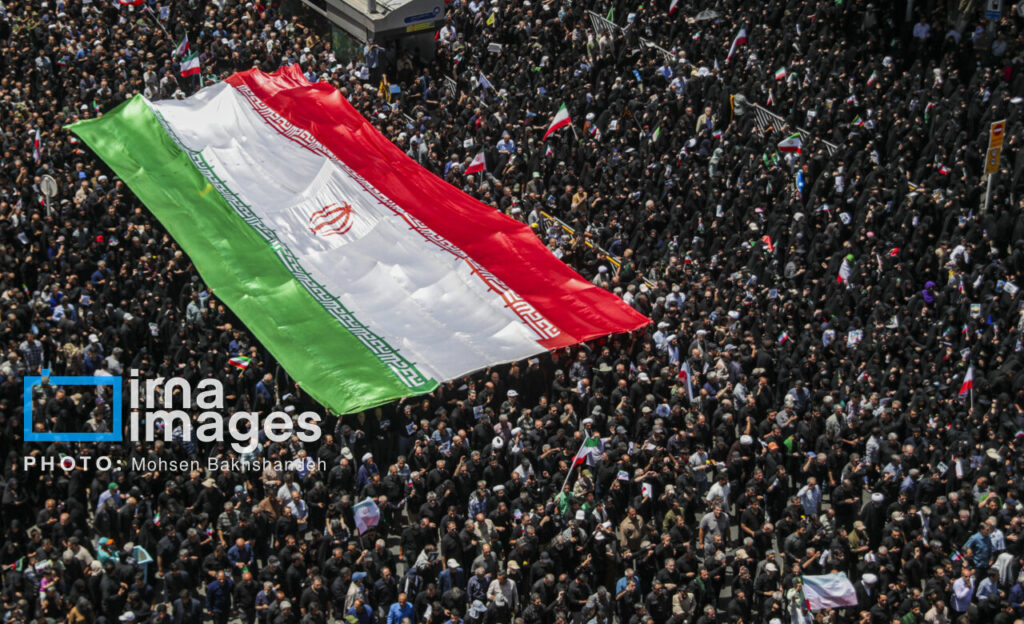
Israel expected its attacks to trigger unrest and internal dissent in Iran. Instead, the Iranian population rallied behind the government with unprecedented national solidarity. Social and economic activities continued, proving Israel’s and the U.S.’s assumptions wrong.
Second Failure: Underestimating Iran’s Military Capabilities
Israel’s strikes caused limited damage and failed to weaken Iran’s defense. Iran responded with advanced missiles and drones, bringing the conflict onto Israeli soil. Israeli espionage efforts collapsed, with over 130 drones and several fighter jets reportedly shot down. The situation reaffirmed that airstrikes alone are insufficient without ground force capability.
Third Failure: Ignoring International and Regional Sentiment
Israel acted without regard for global and regional public opinion. Major powers like Russia, China, and Pakistan supported Iran. The attack was widely viewed as illegitimate and risked triggering broader international conflict, highlighting Israel’s diplomatic miscalculations.
Iran’s Achievements in the 12-Day War with Israel
From Military Doctrine to the Effective Strategy of the Supreme Leader
Over 35 years, Iran’s military doctrine—shaped by the Supreme Leader—has focused on confronting Israel through force. The 12-day war showcased parts of this doctrine, including the use of missile power and a strategy of long-term attrition. Iran’s actions undermined Israeli technological superiority and created strategic leverage.
Unprecedented Coordination of Iran’s Armed Forces Under the Wise Leadership of the Supreme Leader
Despite Israel’s surprise attacks and the assassination of Iranian commanders, Iran quickly re-established its military command. Within 24 hours, it launched the “Va’deh Sadegh (True Promise) 3” missile operation, disrupting enemy plans and delivering a strong psychological impact.
Strengthening Iran’s Military Deterrence
Iran demonstrated a unique deterrence model based on self-reliance, not nuclear arms or foreign powers. In the 12-day war, it used long-range missiles effectively, inflicted heavy damage on Israel, and gained access to sensitive Israeli intelligence, shifting the power balance and reinforcing both hard and soft deterrence.
Iran’s Diplomatic Strategies After the 12-Day War
Iran’s recent experience strengthened its defense, national unity, and international position despite attacks. Diplomacy now plays a key role in supporting security and leveraging gains. The main strategies include:
- Battlefield First: Military action remains the top priority until threats are fully neutralized, with diplomacy supporting this strong image.
- Complementary Diplomacy: Foreign affairs should rally global condemnation of Israel, engaging countries across continents to increase political costs for adversaries.
- International Presence: Active participation in forums like the UN and IAEA to highlight Israel’s violations and gain formal international support.
This study was conducted at Governance Problems System Thinktank by Maryam Razmjou in 2025.
To read more, click here