Tannaz Karimi

Cultural Industries in Rural Areas

Barriers to the Development of Cultural Industries in Rural Areas

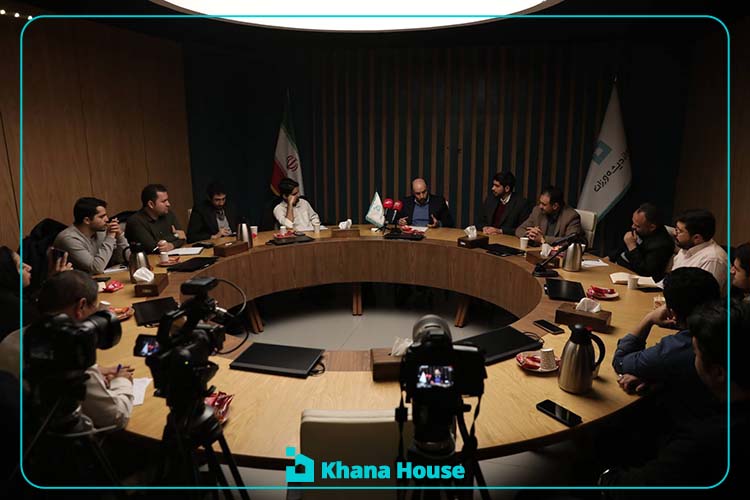
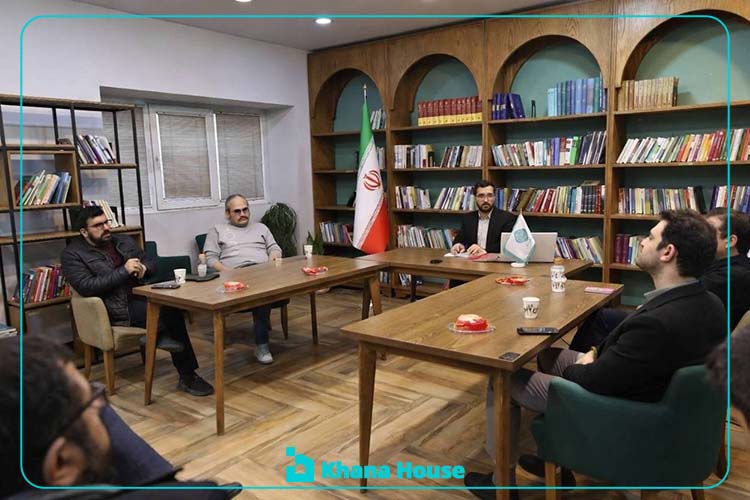
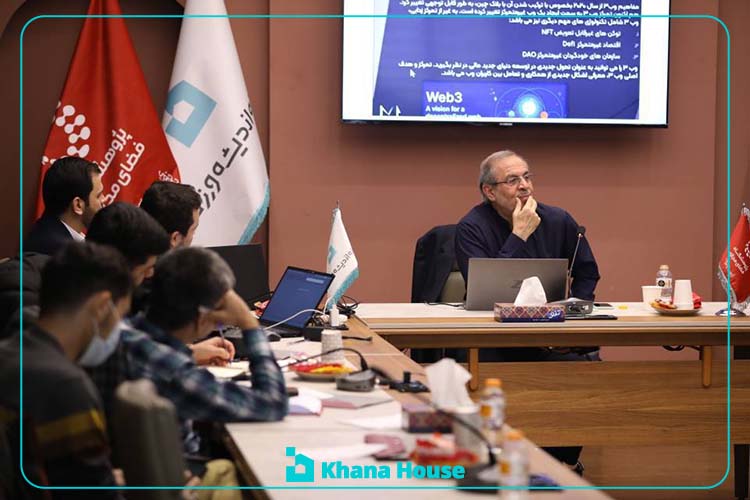
Creative and cultural industries in rural areas represent a major opportunity for economic growth, job creation, and cultural empowerment. Despite their global expansion and significant contribution to GDP worldwide, the development of creative and cultural industries in rural areas of Iran remains limited due to structural, economic, and institutional barriers. Global Status of Creative and […]

Barriers to the Development of Cultural Industries in Rural Areas Read More »
US Strategy towards Iran

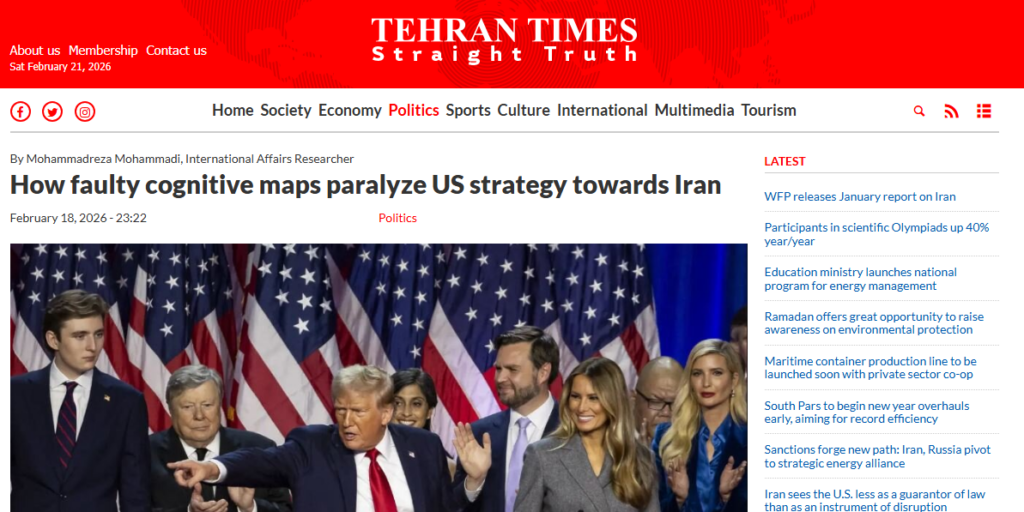
How Faulty Cognitive Maps Paralyze US Strategy towards Iran

By Mohammadreza Mohammadi, International Affairs Researcher In the complex chessboard of Middle Eastern geopolitics, perception often shapes policy more than reality itself. When decision-makers rely on distorted mental images instead of facts on the ground, strategy can become trapped in illusion rather than guided by insight. In “How Faulty Cognitive Maps Paralyze US Strategy Towards

How Faulty Cognitive Maps Paralyze US Strategy towards Iran Read More »

Iran and China’s CIPS

Connecting Iran to China’s Cross Border Interbank Payment System

As one of the world’s largest oil exporters, Iran must exercise greater control over its oil trade transactions and banking payment systems. Despite the widespread belief that FATF-related restrictions constitute a major legal barrier to Iran’s financial and commercial exchanges, it was emphasized in a recent policy meeting that this assumption is legally inaccurate. Experts

Connecting Iran to China’s Cross Border Interbank Payment System Read More »

Digital Dissection of the Beijing Model

Digital Dissection of the Beijing Model

 Managing domestic platforms to safeguard security and data integrity is an essential priority. In this regard, China’s long experience in steering cyberspace offers an instructive model. At a meeting titled “Digital Dissection of the Beijing Model” held at KHANA, the contours of China’s digital governance framework were examined. The session brought together thinkers and officials

Digital Dissection of the Beijing Model Read More »

Media Management in Crisis

Media Management in Crisis and War Conditions

Media management in crisis and war conditions has become a decisive factor in national security, particularly in the era of cognitive warfare and psychological operations. Over the past decades, global experiences show that states capable of controlling narratives, coordinating communication structures, and responding rapidly to misinformation have been more successful in protecting national interests and

Media Management in Crisis and War Conditions Read More »

Regulation of Artificial Intelligence in Iran

Regulation of Artificial Intelligence in Iran

Regulation of artificial intelligence has become a critical policy issue as AI technologies rapidly transform governance, industry, and society. The growing deployment of AI in sectors such as healthcare, transportation, finance, and public administration has intensified the need for comprehensive legal frameworks to address accountability, transparency, data protection, and ethical risks. Legal and Ethical Challenges

Regulation of Artificial Intelligence in Iran Read More »

Inflation in Iran

Inflation in Iran: Monetary Growth and Inflationary Shocks

Inflation in Iran has been a persistent macroeconomic challenge, strongly linked to monetary growth, fiscal imbalances, and structural economic weaknesses. In macroeconomic theory, long-term inflation is closely correlated with money supply growth. In Iran, where liquidity expansion serves as a key monetary indicator, this relationship is particularly significant. This study examines inflation trends and major

Inflation in Iran: Monetary Growth and Inflationary Shocks Read More »

Artificial Intelligence and Religious Democracy

Artificial Intelligence and Religious Democracy

The relationship between artificial intelligence and religious democracy is becoming increasingly significant as AI transforms political, economic, and social systems. Within Iran’s model of religious democracy—where Islamic principles are integrated with democratic participation—AI presents both major opportunities and complex governance risks. This study by the Parliamentary Research Center analyzes how artificial intelligence influences core values

Artificial Intelligence and Religious Democracy Read More »

Hidden U.S. and Pakistan Strategic Partnership

Hidden U.S. and Pakistan Strategic Partnership

The hidden U.S.–Pakistan strategic partnership has emerged as a significant factor reshaping geopolitical dynamics in South and West Asia. Despite periods of diplomatic tension, Washington and Islamabad appear to be moving toward a pragmatic and multidimensional alignment driven by shared security, economic, and strategic interests. This evolving cooperation extends beyond bilateral relations and directly influences

Hidden U.S. and Pakistan Strategic Partnership Read More »