Tannaz Karimi

Iran and U.S. Ceasefire

A Reflection on a Point Regarding the Iran and U.S. Ceasefire

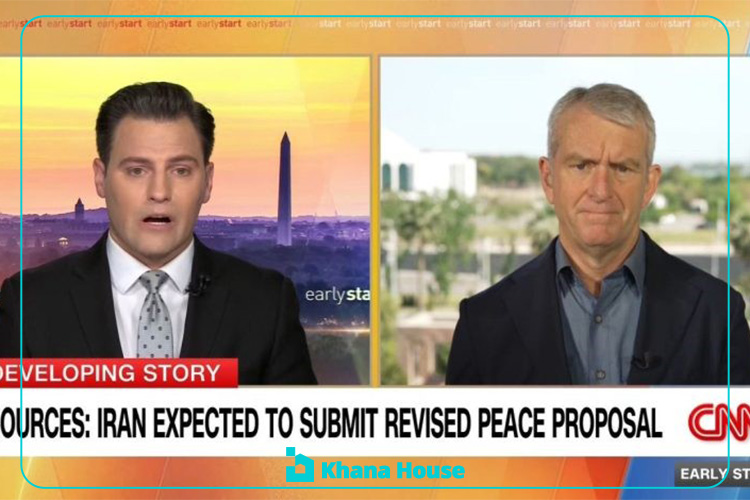
Since the announcement of the two-week ceasefire between Tehran and Washington, various analyses have emerged regarding its nature and the future of developments. Generally, in recent hours, three points have raised some ambiguities and concerns about this ceasefire: Maintaining Strategic Leverage Iran retains strategic leverage despite the ceasefire, including control over the Strait of Hormuz

A Reflection on a Point Regarding the Iran and U.S. Ceasefire Read More »

Iran's Ceasefire Before Deterrence

Iran’s Ceasefire Before Deterrence Point: Risks of Becoming Iraq

As more than month has passed since the of the third imposed war against Iran, a natural question arises: How long will be the continuation of this war? Military equipment, logistical and financial weaknesses do not lead to defeat. Historical analytics have shown that the resistance and steadfastness of the weaker party can, with effective

Iran’s Ceasefire Before Deterrence Point: Risks of Becoming Iraq Read More »

Reconstruction of West Asia After the Ramadan War

Reconstruction of West Asia After the Ramadan War

The Ramadan War caused widespread destruction in West Asia. Reconstruction offers a chance for economic transformation in energy, transport, and industry, promoting sustainable development and regional cooperation through technology and internal synergies. Islamic Republic of Iran’s Capacities for Regional Reconstruction Logic of Turning Threat into Opportunity: From Infrastructure Destruction to Regional Value Network  Widespread infrastructure

Reconstruction of West Asia After the Ramadan War Read More »

Contraction Strategy in Wartime for Digital Businesses

Contraction Strategy in Wartime for Digital Businesses

When a country enters a state of war or crisis, businesses instinctively react by focusing on survival. market shrinks, liquidity decreases, user behavior shifts, and operational rise. In this situation, what can a digital business do to prevent a collapse is a “Contraction strategy.” What are the points of Contraction Strategy? 1: Resources Cost Reduction

Contraction Strategy in Wartime for Digital Businesses Read More »

Why has Israel targeted Iran's infrastructure?

Why has Israel targeted Iran’s infrastructure?

Regime Change Strategy: An Impossible target The Zionist regime continues to pursue a regime change strategy; however, due to its significant defeat in provoking internal unrest, as evidenced by the struggles represented by the Pahlavi placards, it is forced to seek regime change through economic pressures during or after the war. The Zionist enemy aims

Why has Israel targeted Iran’s infrastructure? Read More »

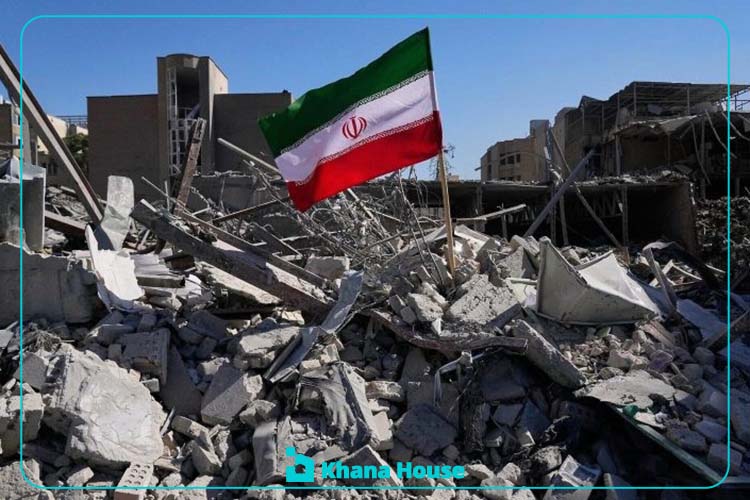
Destruction of residential buildings in Ramadan war

Framing a Scenario Based Analysis of Ramadan War

Military conflicts in the Middle East, known as “Ramadan war” between Iran, the U.S., and Israel, have widespread implications for regional security and the global economy. These tensions impact energy markets, trade and investment, leading to increased political and economic uncertainty. In the context of rapid and complex regional developments, a thorough examination of the

Framing a Scenario Based Analysis of Ramadan War Read More »

Hormuz Strait: From Logistic blockade to Flames in the Metals Market

Hormuz Strait: From Logistic blockade to Flames in the Metals Market

This report investigates impact of the Hormuz Strait blockade on global metals markets. A vital and logistical chokepoint sees 20% of the world’s oil and significant volumes of dry bulk cargo transit through it annually. Recent military conflicts and restrictions have disrupted supply-demand balances, to a paradigm in mineral and metal industries, evidenced by enhanced

Hormuz Strait: From Logistic blockade to Flames in the Metals Market Read More »

The Steel and Aluminum Industries of America's Allies in the Middle East

The Steel and Aluminum Industries of America’s Allies in the Middle East

Which one of the middle east countries are America’s allies? Seven steel and five major aluminum plants in six Arab countries (Saudi Arabia, the UAE, Qatar, Kuwait, Oman, and Bahrain), along with one facility in Israel, form the core of the supply chain heavy industries are supported indirectly by the United States. Some complexes such

The Steel and Aluminum Industries of America’s Allies in the Middle East Read More »