Tannaz Karimi

Third Sacred Defense

The Third Sacred Defense was Achieved through Popular Mobilization

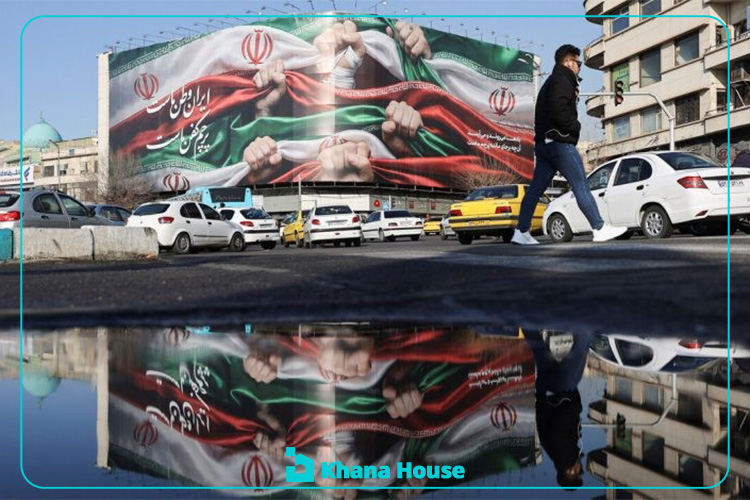
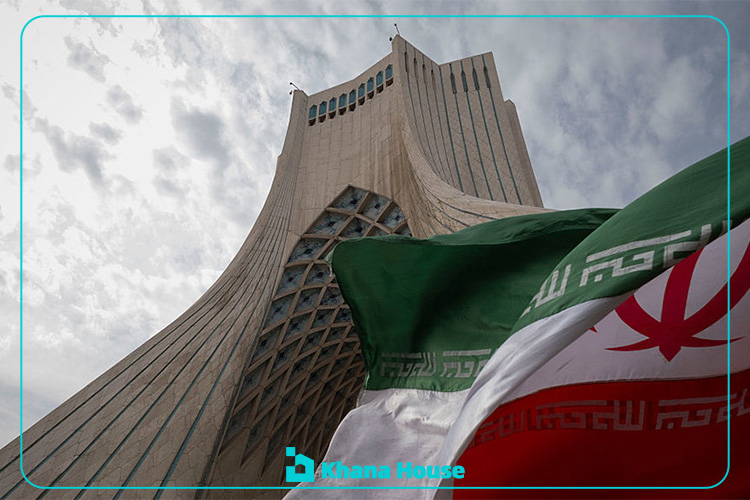
What emerged after the “Ramadan War” in Iran defied expectations, significantly strengthening national morale and social cohesion. This renewed unity once again demonstrated Iran’s cohesive national power in countering unilateralism and the overreach of the U.S. and Israel. The Third Sacred Defense: Iran’s National Unity and Strategic Deterrence After the Ramadan War The third seminar […]

The Third Sacred Defense was Achieved through Popular Mobilization Read More »

China’s Foreign Policy Embraces the Unity of Opposites

China’s Foreign Policy Embraces the Unity of Opposites

China’s foreign policy approach is significantly different from that of the United States. As Hamed Vafaei, a professor of China studies at the University of Tehran, states in an exclusive interview, “China’s foreign policy embraces the ‘unity of opposites.’” In Trump’s foreign policy, it is impossible to maintain friendly relations with both Iran and Israel

China’s Foreign Policy Embraces the Unity of Opposites Read More »

From the Nixon Shock to the Hormuz Strait Shock

From the Nixon Shock to the Strait of Hormuz Shock

Seyyed Rouhollah Ahmadi, Ph.D. in Financial Economics, argues that the US financial hegemony is now facing a historic challenge due to geopolitical shifts and the rise of emerging powers. In 1971, Nixon shocked the world by ending the dollar-gold convertibility. This crucial move saved the US economy from potential collapse, ensuring the dollar’s global dominance

From the Nixon Shock to the Strait of Hormuz Shock Read More »

Trump and Xi

From Thucydides’ Trap to Coexistence: A New Paradigm in Great Power Relations

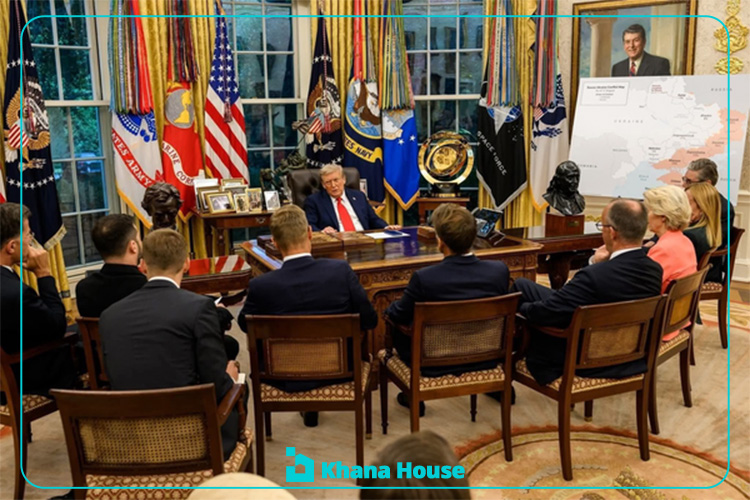
In a recent dialogue hosted by the Sharif Governance Think Tank, Ali Salehian, Head of the International Department, engaged with Fred Teng, Founder of the “US-China Public Relations” Institute, to dissect the strategic implications of Donald Trump’s visit to China and his meeting with President Xi Jinping. Trump and Xi Meeting Highlights China’s Strategy for

From Thucydides’ Trap to Coexistence: A New Paradigm in Great Power Relations Read More »

Defensive Deterrence and Economic Challenges in Iran

Geopolitical Consequences, Defensive Deterrence, and Economic Challenges in Iran

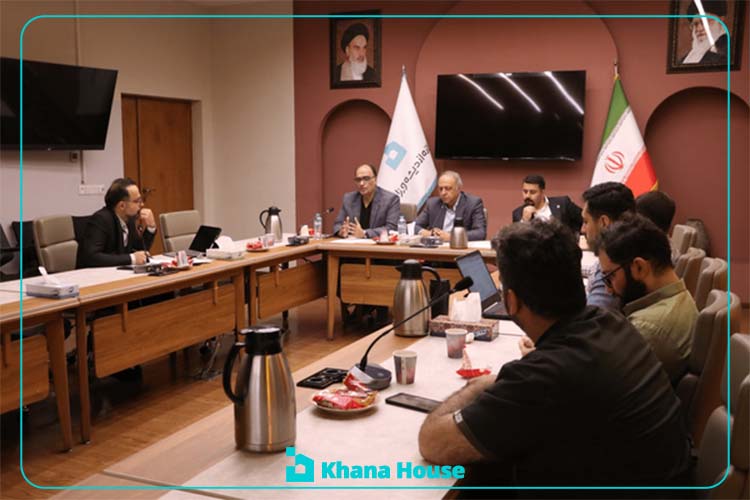
Mr. Saber Mirzaei, Deputy of Research and Development at the Center for Cooperation, discussed the historical roots of conflicts, Iran’s defensive capabilities, and economic challenges. Historical Roots Not as Past, but as “Structural Deterrents“ The focus is on the U.S. behavioral pattern of refusing formal concessions, illustrated by its hasty withdrawals from Vietnam and Afghanistan,

Geopolitical Consequences, Defensive Deterrence, and Economic Challenges in Iran Read More »

cables in the Strait of Hormuz

Hidden Cables in the Strait of Hormuz; Obvious Interests

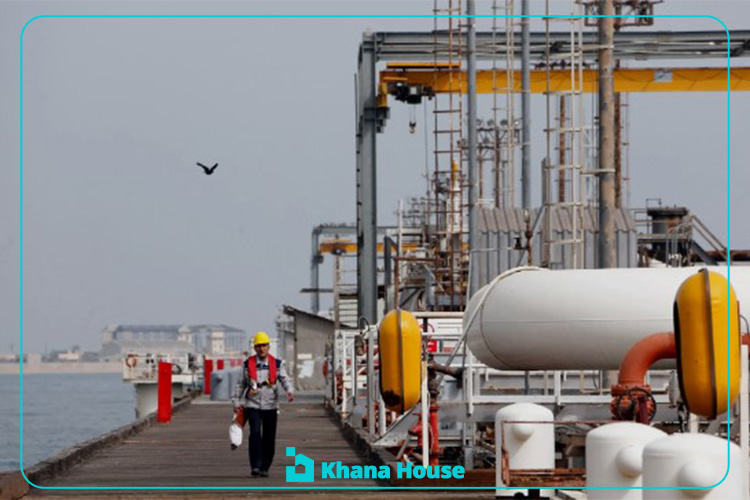
In a rapidly changing technological and geopolitical landscape, the Strait of Hormuz has gained prominence as a strategic corridor for energy transfer and global shipping. The increasing reliance on submarine fiber optic cables necessitates a reevaluation of national governance frameworks to enhance security and bolster economic and geopolitical influence. Importance of Data Transmission Cables in

Hidden Cables in the Strait of Hormuz; Obvious Interests Read More »

Israel's tech ecosystem

The Role the U.S. in Israel’s Tech Ecosystem

The Israeli technology ecosystem is heavily reliant on multinational corporations (MNCs), with 85% of funding and 91% of transaction value in 2024 coming from foreign sources, making it vulnerable to geopolitical shocks. Vulnerabilities Exposed by Recent Conflicts Recent wars have highlighted structural weaknesses, revealing a “silent exit” of projects like Intel’s $25 billion plan and

The Role the U.S. in Israel’s Tech Ecosystem Read More »

AI in Warfare

The Dawn of the AI-Based War Room Era

Recent military tech advances are fundamentally reshaping “AI in warfare,” moving from data analysis to structural integration. Conflicts show sophisticated “LLM-powered advisory engines” at command levels, signaling a “New War Room” emergence, as analyzed by MIT. Key Transformation: From Data Analysis to Operational Recommendation AI’s battlefield role is drastically evolving from data analysis to a

The Dawn of the AI-Based War Room Era Read More »

Jan-Fada (the Self-Sacrificing Movement) in Iran

Opportunities for Jan-Fada (the Self-Sacrificing Movement) in Iran

The “Jan Fada” campaign, with 30 million registered Iranians, is a social phenomenon beyond political analysis, indicating social capital and deep identity layers. This event offers opportunities for national governance and development, requiring sociological analysis to understand Iran’s patterns of social solidarity. Sociological and Cultural Analysis This campaign embodies collective solidarity, collective identity, and social

Opportunities for Jan-Fada (the Self-Sacrificing Movement) in Iran Read More »